

 Sightseeing



Different Options for Planning a Jodhpur Holiday
Jodhpur offers multiple package options based on different holiday requirements, travel preferences, and the kind of experiences you want to explore. From discovering the royal heritage and cultural traditions of the Blue City to enjoying family holidays, romantic journeys, luxury stays, group travel, and personalised plans, each option focuses on a different way of experiencing Jodhpur. Selecting the right package helps you create a journey that fits your interests, available time, and Rajasthan travel goals.
Family Jodhpur Holidays
Designed for families who want to enjoy a comfortable holiday with flexible planning, balanced activities, and experiences suitable for different age groups. The focus remains on creating a relaxed travel experience where children, adults, and senior members can enjoy quality time together. With comfortable arrangements, thoughtful planning, and a mix of leisure and exploration, these holidays allow families to discover Rajasthan’s culture, traditions, and hospitality while travelling at a comfortable pace.
Couple Jodhpur Getaways
Created for couples looking for a peaceful holiday with a blend of comfort, exploration, and memorable moments together. The travel plan focuses on relaxed schedules, personalised experiences, cultural discovery, and quality time in a beautiful destination. From enjoying quiet moments to exploring the local charm of Rajasthan, it provides an opportunity to experience the destination through a more intimate journey with a balance of leisure, comfort, and discovery.
Heritage and Architecture Jodhpur Tours
Planned for those who want to understand Rajasthan’s royal legacy, traditional craftsmanship, and architectural identity in depth. The journey focuses on historical stories, artistic details, cultural influences, and the heritage value preserved across the region. It offers a meaningful way to explore the connection between history, architecture, and traditions while gaining a deeper understanding of the royal culture and artistic excellence that define Jodhpur’s unique character.
Jodhpur Group Tour Packages
Designed for friends, families, and larger groups who want to enjoy a well-planned holiday together with comfortable arrangements. The focus remains on smooth coordination, shared experiences, flexible schedules, and travel planning that works for different preferences within the group. It offers an organised way to enjoy Rajasthan’s culture, traditions, and hospitality while ensuring convenience, better coordination, and enjoyable moments throughout the journey.
Jodhpur Premium Holiday Packages
Created for those who prefer enhanced comfort, quality services, and a more refined way of travelling across Rajasthan. The holiday focuses on upgraded accommodation, better arrangements, personalised support, and carefully planned experiences that add convenience throughout the journey. It offers a comfortable travel option for those looking for a smoother holiday with added attention to comfort, service quality, and a relaxed way to explore Jodhpur.
Customized Jodhpur Tour Plans
Created for those who want a holiday shaped according to their interests, preferred duration, and personal travel style. The planning can be adjusted around different preferences, including relaxed exploration, cultural activities, photography, food experiences, or leisure-focused travel. It provides the flexibility to create a journey that matches individual expectations, allowing you to choose the pace, activities, and experiences that make your Jodhpur holiday more personalised.
Choosing the Right Duration for Your Jodhpur Journey
The duration of a Jodhpur holiday plays an important role in deciding how much of the city’s heritage, culture, and local charm you can explore. A short visit works well for covering the major highlights, while a longer stay allows more time for deeper exploration, relaxed sightseeing, local experiences, and understanding the traditions of the Marwar region. Jodhpur can also be included in Rajasthan travel circuits connecting Jaipur, Jaisalmer, Udaipur, and Bikaner, making the duration depend on your overall travel plan and preferred pace.
1-Day Jodhpur Itinerary
A one-day itinerary is suitable for those looking for a quick introduction to Jodhpur’s royal heritage and cultural identity. The schedule focuses on experiencing the city’s most important attractions, traditional atmosphere, and local character within a limited timeframe. It works well for short breaks or as part of a wider Rajasthan journey where you want to capture the essence of the Blue City before moving to the next destination.
2-Day Jodhpur Itinerary
A two-day itinerary provides enough time to explore Jodhpur at a more comfortable pace while adding more depth to the visit. Along with the major attractions, the extra time allows better opportunities for local exploration, traditional food experiences, shopping, and discovering the cultural side of the city. This duration is ideal for those who want a balanced journey combining heritage, leisure, and authentic experiences.
3-Day Jodhpur Itinerary
A three-day itinerary allows a relaxed exploration of Jodhpur with more time to understand its history, architecture, traditions, and lifestyle. The extended stay gives you the flexibility to enjoy sightseeing without rushing and include additional cultural experiences, local activities, and peaceful moments during the holiday. It is suitable for those who prefer a detailed exploration of the Blue City and its surroundings.
Jodhpur in Rajasthan Circuit
Jodhpur becomes an important part of Rajasthan circuit journeys that connect the royal cities, desert landscapes, and cultural destinations of the state. The city adds the unique identity of the Marwar region to routes covering destinations like Jaipur, Jaisalmer, Udaipur, and Bikaner. Including Jodhpur in a multi-city journey allows you to experience different architectural styles, traditions, landscapes, and historical influences across Rajasthan.
Starting Your Jodhpur Journey From Major Cities Across India
Jodhpur can be planned from different cities across India with multiple travel options available through flights, trains, and road routes. Depending on your starting location, you can choose the most suitable way to reach the Blue City and plan your holiday accordingly. Direct flights, railway connections, and well-connected highways make it convenient to include Jodhpur in your Rajasthan journey, whether you are travelling for a short break or a longer holiday.
- From Ahmedabad – Explore the royal heritage of Jodhpur with a holiday route connecting Ahmedabad and Rajasthan. This journey brings together the architectural beauty, cultural traditions, local flavours, and historic charm of the Blue City while offering a comfortable way to discover the Marwar region.
- From Delhi – Discover the royal character of Jodhpur through a journey starting from Delhi. This holiday combines the heritage, traditions, and cultural identity of Rajasthan while allowing you to experience the historic charm and unique atmosphere of the Blue City.
- From Mumbai – Experience the cultural richness of Jodhpur through a holiday route from Mumbai. This journey introduces you to Rajasthan’s royal traditions, historic surroundings, and local lifestyle while exploring the heritage and charm of the Marwar region.
- From Jaipur – Connect Rajasthan’s Pink City with the Blue City through a journey covering heritage, architecture, and cultural experiences. This route allows you to explore the different royal identities of Rajasthan while discovering the traditions and history of Jodhpur.
- From Bangalore – Explore Rajasthan’s royal heritage with a journey from Bangalore to Jodhpur. This holiday offers a chance to discover the city’s cultural atmosphere, historic character, and traditional experiences while exploring one of Rajasthan’s most distinctive regions.
- From Hyderabad – Plan a Rajasthan holiday from Hyderabad to experience Jodhpur’s heritage, architecture, and cultural traditions. This journey connects two different regions of India while introducing you to the royal charm and local identity of the Blue City.
- From Chennai – Discover the heritage and traditions of Rajasthan with a journey from Chennai to Jodhpur. This holiday combines cultural exploration, historic charm, and local experiences while allowing you to explore the unique character of western Rajasthan.
- From Kolkata – Experience the royal heritage of Jodhpur through a journey from Kolkata. This holiday connects eastern India with Rajasthan’s cultural richness, offering an opportunity to discover the traditions, architecture, and historic charm of the Blue City.
Places That Define Jodhpur's Historic Landscape
Jodhpur's historic landscape reflects centuries of royal patronage, architectural craftsmanship, cultural traditions, and adaptation to the desert environment of western Rajasthan. The city's attractions extend beyond a single fort or palace and include marble memorials, historic stepwells, landscaped gardens, royal residences, and natural spaces that collectively narrate the story of Marwar. From the stronghold established by Rao Jodha to water structures that supported daily life and palaces built during the princely era, each landmark reveals a different chapter of the city's development. Whether spending a weekend in the Blue City or exploring the wider Marwar region, a Jodhpur tour package often brings these landmarks together to present a broader picture of the city's history, architecture, and cultural traditions.
Mehrangarh Fort
Standing on a rocky hill approximately 400 feet above the city, Mehrangarh Fort has shaped Jodhpur's skyline since the fifteenth century. Founded by Rao Jodha, the fort contains a remarkable collection of palaces, courtyards, galleries, and defensive structures built over several generations. Within its walls are Moti Mahal, Phool Mahal, royal collections, and viewpoints overlooking the blue-painted neighborhoods that have become synonymous with Jodhpur. The fort remains one of the most significant reminders of Marwar's political and cultural history.
-
Ticket Price for Mehrangarh Fort – Entry tickets for Mehrangarh Fort vary according to visitor category and selected services. Indian visitors can expect entry charges of approximately ₹250 per person, while foreign visitors are charged around ₹600 per person. Additional services such as audio guides, elevator access, and camera charges may have separate fees.
-
Fort Opening Hours – Mehrangarh Fort usually remains open from 9:00 AM to 5:00 PM, giving enough time to explore its museums, royal chambers, courtyards, and historic sections at a comfortable pace.
-
Time Required for Exploration – A complete visit to Mehrangarh Fort generally takes around 2 to 3 hours, allowing enough time to explore the museum galleries, royal areas, architecture, and panoramic views of Jodhpur.
-
Audio Guide Facility – Mehrangarh Fort offers audio guide facilities that provide detailed information about the history, royal collections, architecture, and important sections of the fort while exploring the complex.
-
What to See Inside Mehrangarh Fort – The fort complex showcases royal palaces, museum galleries, grand courtyards, carved windows, ancient weapons, royal costumes, paintings, manuscripts, and ceremonial collections that reflect the history and lifestyle of the Marwar rulers. Key sections like Moti Mahal, Phool Mahal, Sheesh Mahal, and Jhanki Mahal highlight the artistic excellence and royal grandeur preserved within the fort.
Jaswant Thada
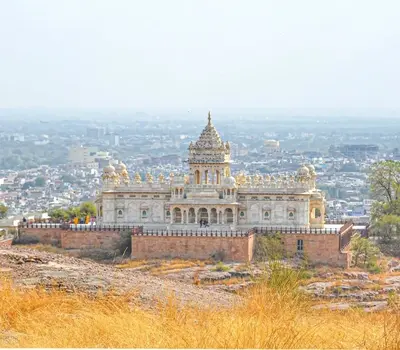
Located near Mehrangarh Fort, Jaswant Thada is a marble memorial built in memory of Maharaja Jaswant Singh II. The monument is known for its elegant white marble architecture, detailed craftsmanship, and peaceful setting beside a small lake. Its Rajput design elements, royal connection, and proximity to Mehrangarh Fort make it an important heritage attraction in Jodhpur.
-
Marble Craftsmanship – The monument showcases fine marble work through intricate carvings, decorative panels, floral patterns, and translucent marble sheets that create a distinctive appearance.
-
Royal Memorial Significance – Built as a cenotaph for Maharaja Jaswant Singh II, it represents the legacy of the Marwar royal family and Jodhpur’s historical traditions.
-
Peaceful Lake Setting – Surrounded by a small lake and gardens, Jaswant Thada offers a calm atmosphere with views of the surrounding heritage landscape.
-
Architecture Details – The structure features carved domes, pillars, and traditional Rajput architectural elements that reflect the region's craftsmanship.
-
Entry Ticket Price – The entry fee for Jaswant Thada is approximately ₹50 per person for Indian visitors and ₹100 per person for foreign visitors. Ticket charges may vary, so check the latest rates at the counter before visiting.
-
Opening Hours – Jaswant Thada is usually open from 9:00 AM to 5:00 PM.
Umaid Bhawan Palace
Umaid Bhawan Palace is one of Jodhpur’s most iconic royal landmarks and among the last major palaces built in India during the princely era. Constructed under Maharaja Umaid Singh, the palace reflects a blend of Rajput architectural traditions and Art Deco influences. Today, a section of the palace functions as a museum showcasing royal collections, historical photographs, personal belongings, and artefacts connected with the Jodhpur royal family.
-
Royal Museum – The museum displays vintage photographs, royal belongings, clocks, documents, and personal collections that provide insight into the lifestyle and traditions of the Jodhpur royal family.
-
Art Deco Design – The palace features a unique combination of Rajput architecture and Art Deco influences through its geometric patterns, grand interiors, and elegant design elements.
-
Royal Collections – Exhibits inside the palace showcase items related to royal ceremonies, personal possessions, and important events from Jodhpur’s princely history.
-
Palace Architecture – Built with golden sandstone, the palace is known for its grand domes, spacious halls, symmetrical design, and impressive architectural scale.
- Entry Ticket Price – Entry to the Umaid Bhawan Palace Museum is approximately ₹100 per person for Indian visitors and ₹300 per person for foreign visitors. Additional charges may apply for certain facilities and services.
-
Opening Hours – Umaid Bhawan Palace Museum usually remains open from 10:00 AM to 5:00 PM, allowing visitors to explore the royal collections and interiors comfortably.
Toorji Ka Jhalra
Built in the eighteenth century by the queen of Maharaja Abhay Singh, Toorji Ka Jhalra reflects the traditional water management systems developed for Rajasthan’s desert environment. The stepwell was once an important source of water for local communities and a social gathering space. Restored to preserve its original design, the structure is now known for its detailed sandstone work, geometric stairways, and heritage charm in the old city area of Jodhpur.
-
Stepwell Architecture – The multi-level stairways, symmetrical design, and finely carved sandstone structure showcase the traditional engineering skills used in Rajasthan’s historic water systems.
-
Historic Water System – The stepwell represents the importance of water conservation in the desert region and its role in supporting daily life for nearby communities.
-
Restoration Work – Conservation efforts have helped preserve the original structure, architectural details, and historical character of this eighteenth-century stepwell.
-
Old City Location – Located near Jodhpur’s heritage streets and markets, Toorji Ka Jhalra can be easily explored along with other attractions in the old city area.
-
Entry Ticket Price – Entry to Toorji Ka Jhalra is generally free of cost, allowing visitors to explore the stepwell and its architecture without a separate ticket.
Mandore Gardens
Located near Jodhpur, Mandore Gardens preserves the historical connection of the former capital of Marwar before the establishment of Jodhpur. The site features royal cenotaphs, temples, memorial structures, and landscaped gardens that reflect the region’s early royal heritage. With its combination of history, architecture, and peaceful surroundings, Mandore Gardens offers a different perspective on the traditions and legacy of the Marwar rulers.
-
Royal Cenotaphs – The beautifully designed memorials of Marwar rulers showcase detailed carvings, unique architectural styles, and the artistic craftsmanship associated with Rajasthan’s royal heritage.
-
Historic Temples – The temple complexes within Mandore Gardens reflect the religious traditions and cultural importance of the region, adding historical depth to the site.
-
Garden Landscapes – Green pathways, open spaces, and historic structures create a peaceful environment where visitors can explore the monuments at a relaxed pace.
-
Entry Ticket Price – Entry to Mandore Gardens is generally free for visitors. A separate entry fee of approximately ₹50 per person is charged for visiting the museum inside the complex. Additional charges may apply for other facilities.Opening Hours – Mandore Gardens usually remains open from around 8:00 AM to 8:00 PM, allowing visitors to explore the site during morning and evening hours.
Rao Jodha Desert Rock Park
Located at the foot of Mehrangarh Fort, Rao Jodha Desert Rock Park showcases the natural landscape and native vegetation of the Marwar region. Developed to restore the rocky terrain around the fort, the park preserves indigenous desert plants that thrive in Jodhpur’s dry environment. The combination of volcanic rock formations, desert ecology, walking trails, and fort views makes it a unique attraction that highlights the natural side of the Blue City.
-
Native Desert Flora – The park protects several native plant species such as rohida, kumat, and bordi that are naturally adapted to the dry conditions of the Marwar region.
-
Nature Trails – Walking paths pass through rocky landscapes, restored habitats, and desert vegetation, offering a closer look at the ecological environment around Mehrangarh Fort.
-
Fort Perspectives – The park provides unique views of Mehrangarh Fort from different points, showing the connection between the historic structure and its natural surroundings.
-
Entry Ticket Price – Entry charges for Rao Jodha Desert Rock Park are approximately ₹100 per person for Indian visitors and ₹200 per person for foreign visitors. Additional charges apply for guided naturalist walks and other special facilities.
-
Opening Hours – The park usually remains open from around 7:00 AM to 6:30 PM, with timings varying slightly according to the season.
Ghanta Ghar
Located in the heart of old Jodhpur, Ghanta Ghar is one of the city’s most recognizable heritage structures and an important part of its traditional marketplace culture. Built during the reign of Maharaja Sardar Singh, the clock tower stands near Sardar Market, where the old trading traditions of Jodhpur continue through shops selling textiles, spices, handicrafts, and local products. The surrounding lanes offer a glimpse into the everyday life, flavours, and commercial heritage of the Blue City.
- Historic Clock Tower – Built in the late nineteenth century, Ghanta Ghar remains a prominent symbol of old Jodhpur and reflects the architectural style of the royal era.
- Sardar Market Area – Located beside one of the city’s busiest traditional markets, the area showcases the vibrant commercial culture and daily life of Jodhpur.
- Traditional Shopping – The nearby market is known for bandhani fabrics, mojari footwear, spices, handicrafts, silver jewellery, and other locally crafted products.
- Local Food Specialties – The surrounding streets are popular for regional flavours, including mirchi bada, mawa kachori, makhaniya lassi, and other traditional Jodhpur delicacies.
Balsamand Lake
Located away from the busy areas of Jodhpur, Balsamand Lake is a historic water reservoir known for its peaceful surroundings, greenery, and royal connection. Built during the twelfth century, the lake was originally created to support nearby settlements and later became associated with the royal retreat of the region. Surrounded by gardens, trees, and heritage structures, it offers a calm experience beyond Jodhpur’s forts and bustling markets.
- Historic Water Reservoir – Built as an important water source, Balsamand Lake reflects the traditional water management systems developed to support life in Rajasthan’s dry climate.
- Garden Retreat – The tree-lined surroundings, landscaped gardens, and peaceful atmosphere make the area a relaxing spot away from the crowded parts of the city.
- Lakeside Views – The open water, greenery, and heritage surroundings create a scenic setting that highlights the natural side of Jodhpur.
- Entry Ticket Price – Entry to Balsamand Lake area is generally free. Separate charges may apply for visiting specific attractions such as Balsamand Lake Palace or accessing certain facilities within the premises.
Kaylana Lake
Situated on the outskirts of Jodhpur, Kaylana Lake offers a peaceful escape with open landscapes, natural surroundings, and wide views away from the city’s busy areas. Surrounded by rocky terrain and native vegetation, the lake reflects the natural beauty of the region while providing a different experience from Jodhpur’s forts and palaces. It is known for its calm atmosphere, birdlife, and scenic setting, especially during evening hours.
- Sunset Landscape – Kaylana Lake is known for its beautiful sunset views, with changing colours across the water, surrounding hills, and open skies creating a peaceful evening setting.
- Birdwatching Opportunities – The lake attracts different resident and migratory bird species, especially during winter, making it a suitable spot for nature lovers.
- Natural Setting – Rocky landscapes, native vegetation, and open surroundings highlight the natural environment around the lake and offer a quieter side of Jodhpur.
- Outdoor Activities – The peaceful surroundings make Kaylana Lake suitable for relaxed visits, enjoying nature, and spending time away from the city’s crowded areas.
Machia Biological Park
Located near Kaylana Lake, Machia Biological Park showcases the wildlife, biodiversity, and natural environment of western Rajasthan. The park was developed to create awareness about regional ecosystems while providing an opportunity to observe native animal species in a semi-arid landscape. Surrounded by rocky terrain and natural vegetation, it offers a different side of Jodhpur beyond its forts, palaces, and heritage attractions.
- Regional Wildlife Species – The park is home to various animals and bird species associated with Rajasthan’s desert and semi-arid habitats, offering insight into the region’s native wildlife.
- Environmental Awareness – Educational information within the park highlights local biodiversity, conservation efforts, and the importance of protecting desert ecosystems.
- Hilltop Viewpoints – Elevated areas inside the park provide views of Kaylana Lake, rocky landscapes, and the surrounding natural scenery of Jodhpur.
- Nature and Wildlife Exploration – The park offers a nature-focused experience with walking areas, wildlife observation, and a peaceful environment away from the city’s heritage sites.
- Entry Ticket Price – Entry charges for Machia Biological Park are approximately ₹30 per person for Indian visitors and ₹300 per person for foreign visitors. Additional charges may apply for camera access and other facilities.
- Opening Hours – The park generally remains open from around 8:30 AM to 5:30 PM, with timings varying slightly depending on the season.
Experiences That Shape a Jodhpur Trip
Jodhpur is best understood through the places and traditions that define everyday life in the Marwar region. Beyond the walls of Mehrangarh Fort, the city unfolds through blue-painted neighbourhoods, market streets around Ghanta Ghar, regional food traditions, historic water structures, and communities that have maintained local customs for generations. Exploring these experiences provides a closer look at Jodhpur's architectural heritage, culinary identity, trading history, and cultural landscape, creating a connection that extends beyond its well-known monuments.
Exploring the Blue Lanes of the Old City
The blue-painted neighbourhoods below Mehrangarh Fort are among Jodhpur's most recognizable sights. Walking through these narrow streets reveals clusters of indigo-coloured homes, centuries-old temples, carved sandstone entrances, and daily routines that have shaped the old city for generations. Areas such as Brahmpuri offer a closer look at the residential side of Jodhpur beyond its major monuments.
- Brahmpuri's Blue Houses – Walk through one of Jodhpur's oldest neighbourhoods, where rows of blue-painted homes stretch beneath the walls of Mehrangarh Fort.
- Traditional Marwar Architecture – Notice carved sandstone façades, jharokhas, wooden doors, and architectural details preserved across generations.
- Temples Within the Old Quarter – Discover neighbourhood temples and shrines that continue to serve local communities within the old city.
- Everyday Life in the Lanes – Observe family-run shops, traditional homes, and daily activities unfolding within the winding streets.
Fort Views Across the Blue City
Perched on Bhakurcheeria Hill, Mehrangarh Fort overlooks the historic core of Jodhpur. From its ramparts, the blue houses of Brahmpuri and neighbouring areas spread across the landscape, creating one of Rajasthan's most recognizable city views. Different sections of the fort provide changing perspectives of rooftops, temples, and old streets below.
- Views from Mehrangarh Ramparts – Look across the blue-painted quarters that surround the historic centre of Jodhpur.
- Cityscape Beyond the Old Walls – View the transition from the old city to newer residential and commercial districts.
- Photography from Fort Bastions – Capture sweeping scenes framed by sandstone battlements, gateways, and fort walls.
- Changing Light Across the City – Experience how morning and evening sunlight alters the appearance of the Blue City.
Visiting Bishnoi Villages
The countryside around Jodhpur offers opportunities to learn about the Bishnoi community, whose traditions are closely linked to wildlife protection and environmental conservation. Village excursions provide insight into local customs, artisan skills, agricultural practices, and a way of life that remains connected to the desert environment. These experiences highlight a cultural heritage that continues to influence rural communities across the region.
- Bishnoi Cultural Traditions – Discover customs and beliefs that have shaped the community's relationship with nature for generations.
- Blackbuck and Chinkara Sightings – Observe wildlife protected within Bishnoi settlements and the surrounding grasslands.
- Traditional Craft Practices – Watch demonstrations of weaving, pottery, block printing, and other regional crafts.
- Life in Rural Marwar – Experience mud-plastered homes, agricultural fields, livestock rearing, and local village traditions.
Heritage Walks Through Historic Neighbourhoods
Walking through Jodhpur's old city reveals centuries of architectural and cultural history. Narrow lanes connect temples, havelis, market streets, and residential clusters that continue to reflect the city's evolution under the rulers of Marwar. Exploring these areas on foot allows closer observation of structures, craftsmanship, and traditions that remain part of daily life within the historic core.
- Historic Havelis of the Old City – Observe residences featuring carved stone façades, courtyards, and decorative architectural elements.
- Temple Routes Through Old Jodhpur – Follow streets lined with temples that continue to serve neighbourhood communities.
- Markets with Trading History – Learn about merchant communities and trade routes that helped shape Jodhpur's economy.
- Stone Craftsmanship and Jharokhas – Notice balconies, gateways, latticework, and sandstone carvings preserved across generations.
Best Seasons to Explore Jodhpur
The best time to visit Jodhpur is between October and March when the weather remains comfortable for exploring the city’s forts, palaces, markets, and cultural attractions. Seasonal changes influence the overall travel experience, as cooler months provide better conditions for heritage walks, outdoor exploration, local experiences, and discovering the traditional character of the Blue City. Attractions like Mehrangarh Fort, Jaswant Thada, Umaid Bhawan Palace, Mandore Gardens, Toorji Ka Jhalra, and the old city neighbourhoods can be explored more comfortably during this period.
Winter Season (October to March)
Winter offers pleasant weather conditions for exploring Jodhpur’s heritage sites, markets, and cultural attractions at a relaxed pace. The cooler climate allows comfortable visits to forts, palaces, stepwells, and historic neighbourhoods while also creating suitable conditions for outdoor activities. This season is ideal for experiencing royal architecture, local traditions, traditional cuisine, and nearby attractions across the Marwar region. Jodhpur’s favourable season allows you to enjoy Jodhpur tour packages with comfortable sightseeing, heritage exploration, local experiences, and relaxed travel schedules, all while discovering the city’s royal charm in pleasant weather.
- Temperature – 10°C to 25°C with pleasant daytime weather, cooler mornings, and comfortable evenings for sightseeing and outdoor experiences.
- Heritage Sightseeing – Explore Mehrangarh Fort, Jaswant Thada, Umaid Bhawan Palace, Mandore Gardens, Toorji Ka Jhalra, and the historic areas of the Blue City in comfortable weather.
- Cultural Experiences – Enjoy Marwar festivals, folk performances, traditional markets, local cuisine, and cultural programs that showcase the heritage and traditions of Jodhpur.
- Bishnoi Village Visits – Comfortable temperatures make countryside excursions more enjoyable, including village interactions, traditional craft demonstrations, agricultural landscapes, and wildlife spotting experiences.
- Recommendation – Highly recommended for families, couples, heritage explorers, and visitors looking for a comfortable and complete Jodhpur experience.
Summer Season (April to June)
Summer brings high temperatures across Jodhpur and the surrounding Marwar region, making extended outdoor sightseeing difficult during the daytime. Major attractions remain accessible, but visits are more comfortable during early mornings and evenings when temperatures are lower. Flexible schedules with suitable breaks help manage the heat while exploring forts, markets, and cultural attractions.
- Temperature – 35°C to 45°C with hot afternoons, dry conditions, and challenging weather for longer outdoor exploration.
- Sightseeing Experience – Forts, palaces, markets, and historic locations are better explored during cooler hours for a more comfortable experience.
- Travel Planning – Shorter sightseeing sessions, flexible timings, and planned breaks help reduce discomfort during the hottest parts of the day.
- Local Exploration – Evening visits to markets, food streets, temples, and cultural attractions provide a more enjoyable way to experience the city.
- Recommendation – Not recommended for extensive daytime sightseeing due to high temperatures.
Monsoon Season (July to September)
Monsoon brings seasonal changes to Jodhpur, adding a refreshed appearance to parts of the Marwar landscape. Occasional rainfall creates a different atmosphere around lakes, gardens, forts, and old-city areas while allowing visitors to explore the city at a slower pace. This season is suitable for those interested in heritage attractions, local culture, and experiencing a quieter side of Jodhpur beyond the dry desert landscape.
- Temperature – 28°C to 38°C with humid conditions, occasional rainfall, and changing weather patterns across the region.
- Scenic Landscapes – Lakes, gardens, and natural surroundings appear refreshed after seasonal showers, creating a different view of the Marwar landscape.
- Heritage Exploration – Forts, palaces, temples, markets, and historic neighbourhoods continue to offer cultural experiences throughout the season.
- Local Experiences – Explore traditional markets, regional cuisine, local crafts, and cultural attractions during suitable weather conditions.
- Recommendation – Suitable for peaceful exploration; not recommended for travellers focused mainly on outdoor activities.
Staying in Jodhpur: Accommodation Experiences Across the Blue City
Accommodation in Jodhpur ranges from restored havelis beneath Mehrangarh Fort to palace properties connected with Marwar's royal history and larger resorts located on the city's outskirts. Many properties retain sandstone façades, jharokhas, inner courtyards, carved gateways, and rooftop terraces that reflect building traditions found across Jodhpur. The location of a stay often determines whether the surroundings are shaped by the blue-painted lanes of the old city, historic residential neighbourhoods, or the open terrain found beyond the urban centre.
Heritage Haveli Accommodations
Many heritage havelis occupy restored residences within neighbourhoods such as Brahmpuri, Navchokiya, and other parts of the old city. Courtyards, carved sandstone details, jharokhas, rooftop terraces, and traditional room layouts remain common features. Their location within historic residential areas places them close to temples, market streets, stepwells, and the blue-painted houses that define old Jodhpur.
Palace Hotels
Palace hotels preserve architectural features associated with Jodhpur's royal and noble families. Large gateways, ceremonial halls, courtyards, gardens, antique furnishings, historical photographs, and decorative stonework continue to form part of many properties. These buildings reflect architectural styles and residential layouts found in former palace and noble estates across the Marwar region.
Boutique Heritage Stays
Boutique heritage stays are commonly housed within smaller restored residences and historic buildings across Jodhpur. Many retain carved stonework, traditional doorways, regional textiles, handcrafted furniture, and architectural details linked to Marwar craftsmanship. Their neighbourhood locations often place them within walking distance of old-city streets, temples, local markets, and historic water structures.
Premium Resorts
Premium resorts are generally situated beyond the densely built neighbourhoods of the city centre. Larger grounds allow space for gardens, courtyards, open-air seating areas, and low-rise sandstone structures. Many properties are located in areas where the urban landscape gradually gives way to rocky terrain, scrub vegetation, and the wider landscapes of the Marwar region.
How to Reach Jodhpur
Jodhpur is well connected with major cities of Rajasthan and other parts of India through air, rail, and road networks. The city can be easily accessed through regular flights, trains, and highways, making it convenient to include in Rajasthan itineraries. Whether you are travelling from Jaipur, Delhi, Mumbai, Udaipur, or nearby destinations, different transportation options allow you to plan your journey according to your preferred travel time, budget, and comfort requirements.
By Air – Reach Jodhpur by Flight
Jodhpur Airport connects the city with major destinations and offers a convenient travel option for those looking to save time. Flights from cities such as Delhi and other major locations provide easy access to Jodhpur, followed by local transfers to hotels and sightseeing areas.
By Train – Reach Jodhpur Railway Station
Jodhpur Railway Station is well connected with major Indian cities through regular train services. Trains from Delhi, Jaipur, Mumbai, Ahmedabad, and other destinations make rail travel a comfortable option for travellers planning a Rajasthan journey.
By Road – Reach Jodhpur Through Highways
Jodhpur has good road connectivity with nearby Rajasthan destinations and major cities through well-maintained highways. Private taxis, buses, and self-drive options are available from places such as Jaipur, Udaipur, Jaisalmer, Bikaner, and Delhi, allowing flexible travel plans.
Exploring Jodhpur Through Its Food Traditions
Food in Jodhpur reflects the ingredients, climate, and cooking practices of the Marwar region. Limited rainfall, the use of dairy products, and recipes designed to remain usable for longer periods influenced many dishes that continue to be prepared today. From food stalls around Ghanta Ghar and Nai Sarak to long-established sweet shops and family-run eateries, the city's culinary identity is shaped by recipes that have remained part of everyday cooking across Marwar for generations. These dishes highlight local ingredients, regional flavours, and methods of preparation that continue to define Jodhpur's food traditions.
- Pyaaz Kachori – Crisp on the outside and filled with a spiced onion mixture, Pyaaz Kachori remains one of the dishes most closely associated with Jodhpur. It is commonly eaten as a morning snack and frequently served with chutneys and fried green chillies.
- Mirchi Bada – This savoury preparation consists of large green chillies stuffed with seasoned potato filling, coated in gram flour batter, and deep-fried. It is regularly sold in market areas, roadside food stalls, and snack shops throughout the city.
- Makhaniya Lassi – Prepared with thick yoghurt and topped with a generous layer of malai, Makhaniya Lassi is a familiar sight in Jodhpur's sweet shops. Its rich texture reflects the long-standing use of dairy products in regional food preparation.
- Dal Baati Churma – This combination of baked baati, lentils, and sweet churma reflects cooking practices shaped by the climate and agricultural conditions of the Marwar region. It continues to appear on dining tables across homes and restaurants in Jodhpur.
- Ker Sangri – Prepared using desert berries and beans that grow naturally in arid conditions, Ker Sangri demonstrates how locally available ingredients became part of everyday cooking in western Rajasthan.
- Gulab Jamun and Mawa Kachori – Sweet shops across Jodhpur continue to prepare these desserts, with Mawa Kachori maintaining a particularly strong connection with the city's confectionery traditions.
- Rabdi and Malpua – These milk-based sweets are commonly prepared during religious observances, family gatherings, and seasonal celebrations throughout the region.
- Traditional Marwari Thali – A Marwari thali brings together dishes such as dal, baati, churma, vegetables, breads, and accompaniments that reflect the ingredients and cooking practices associated with the Marwar region.
Exploring Jodhpur Through Its Historic Market Streets
Jodhpur's markets developed around trading routes that connected the Marwar region with other parts of Rajasthan and western India. Around Ghanta Ghar and the surrounding old-city streets, shops continue to sell textiles, spices, footwear, handicrafts, jewellery, and household goods from premises that have served traders and residents for decades. These market areas remain an important part of daily life in Jodhpur and provide insight into the products, crafts, and trading traditions associated with the city.
- Sardar Market – Located around Ghanta Ghar, Sardar Market is known for Bandhani fabrics, spices, handicrafts, household items, and food stalls serving snacks such as Pyaaz Kachori and Mirchi Bada.
- Nai Sarak – One of Jodhpur's busiest commercial streets, Nai Sarak is lined with textile merchants, garment shops, bookstores, fabric sellers, and businesses that have operated here for generations.
- Tripolia Bazaar – This market area contains shops selling traditional fabrics, jewellery, household goods, and products commonly used across the Marwar region.
- Mochi Bazaar – Known for Mojari footwear, leather products, bags, belts, and workshops connected with traditional leather craftsmanship.
- Bandhani Textile Stores – Markets across the old city contain shops selling tie-dye odhnis, turbans, sarees, dress materials, and fabrics associated with Rajasthan's textile traditions.
- Spice Shops Around the Old City – Merchants continue to sell red chillies, cumin, coriander, turmeric, and other ingredients widely used in Marwar kitchens.
- Markets for Handcrafted Products – Shops throughout the old city display carved wooden items, metalwork, embroidered textiles, home furnishings, and traditional craft products.
- Bazaar Lanes Around Ghanta Ghar – The streets surrounding the clock tower remain lined with long-established shops, trading establishments, food vendors, and businesses that continue to shape the commercial life of old Jodhpur.
Things to Know Before Exploring Jodhpur
A little preparation can make it easier to explore Jodhpur’s historic areas, market streets, fort complexes, religious sites, and surrounding landscapes. Weather conditions, local transport, market timings, and practical travel considerations can influence how you plan your time across the city. These details are useful while visiting places such as Mehrangarh Fort, Jaswant Thada, Ghanta Ghar, Mandore Gardens, Brahmpuri, and other areas of the Marwar region. Reviewing these points before planning your Jodhpur tour package helps in understanding local conditions and preparing for a comfortable holiday.
- Weather Across Different Seasons – Summer temperatures can rise significantly between April and June, while winter months from November to February bring cooler mornings and evenings. Understanding seasonal changes helps in planning sightseeing activities more comfortably.
- Clothing for the Desert Climate – Lightweight cotton clothing works well during warmer months, while a light jacket or additional layer is useful during winter mornings and evenings, especially between December and January.
- Carrying Drinking Water – Jodhpur’s dry climate and outdoor sightseeing routes make carrying drinking water useful while exploring forts, markets, gardens, stepwells, and walking areas across the city.
- Market Timings and Local Shopping – Markets such as Sardar Market, Nai Sarak, Tripolia Bazaar, and areas around Ghanta Ghar are usually more active during afternoon and evening hours, making these timings suitable for shopping and exploring local streets.
- Cash and Digital Payments – Digital payments are widely accepted across Jodhpur, but keeping some cash is helpful for smaller shops, street food stalls, local vendors, and traditional markets.
- Footwear for Sightseeing – Comfortable footwear is recommended for exploring attractions like Mehrangarh Fort, Rao Jodha Desert Rock Park, Mandore Gardens, Toorji Ka Jhalra, and old city lanes where walking surfaces can be uneven.
- Respecting Local Customs – Appropriate clothing and respectful behaviour are recommended while visiting temples, memorials, religious places, and community areas to maintain local traditions and cultural values.
Why Choose IndiaTripio for Your Jodhpur Journey
Planning a Jodhpur tour package requires proper coordination of sightseeing, accommodation, transportation, and local experiences. IndiaTripio focuses on creating personalised travel plans based on your preferred destinations, travel duration, budget, and interests instead of following fixed itineraries. Whether you want to explore Mehrangarh Fort, discover the Blue City, experience local culture, or combine Jodhpur with other Rajasthan destinations, our team helps design a well-organised journey with clear communication, transparent planning, and support throughout your travel experience.
- Customised Itineraries Based on Your Preferences – Travel plans are designed according to your preferred attractions, travel dates, accommodation choices, sightseeing interests, and Rajasthan destination combinations.
- Rajasthan Circuit Planning – Jodhpur itineraries can be combined with destinations such as Jaisalmer, Udaipur, Jaipur, Mount Abu, and other cultural locations across Rajasthan.
- Comfortable Stay Options – Accommodation choices include heritage properties, palace hotels, boutique stays, and resorts selected according to your travel style and comfort requirements.
- Destination-Based Travel Guidance – Planning support is provided with knowledge of Jodhpur attractions, sightseeing routes, seasonal conditions, and practical travel requirements.
- Smooth Trip Coordination – Assistance with transportation, sightseeing schedules, accommodation arrangements, and itinerary planning helps create a convenient travel experience.
- Personalised Travel Support – Continuous assistance is available from the initial planning stage to help with queries, updates, and travel-related requirements.
- Focus on Complete Travel Experience – Every journey is planned around your interests, whether you prefer heritage exploration, cultural experiences, family holidays, couple trips, group tours, or multi-city Rajasthan journeys.
Plan your Jodhpur tour package with IndiaTripio and explore the Blue City with a thoughtfully designed journey covering royal forts, heritage attractions, local markets, cultural experiences, and comfortable stays. Whether you want to visit Mehrangarh Fort, experience Marwari traditions, explore nearby Rajasthan destinations, or create a customised itinerary, our team helps plan every aspect of your trip according to your preferences. Book your Jodhpur trip with IndiaTripio today and enjoy a memorable Rajasthan holiday with smooth planning, dedicated support, and a hassle-free travel experience.