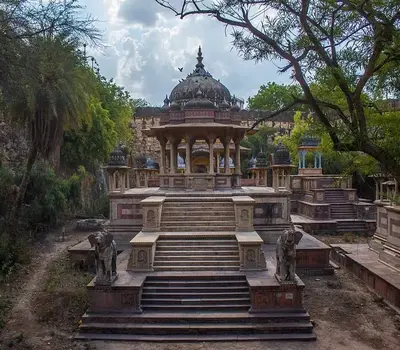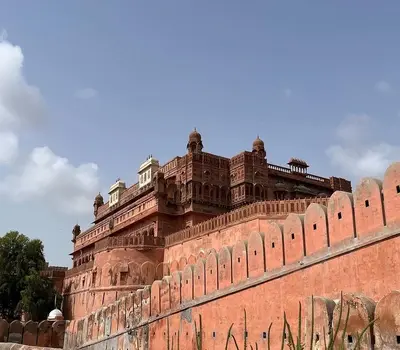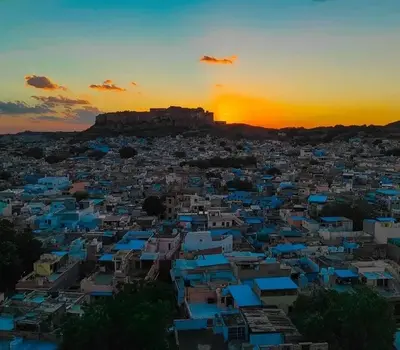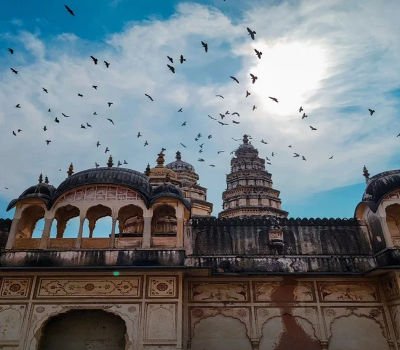

Reasons to Include Jaisalmer in Your Rajasthan Journey
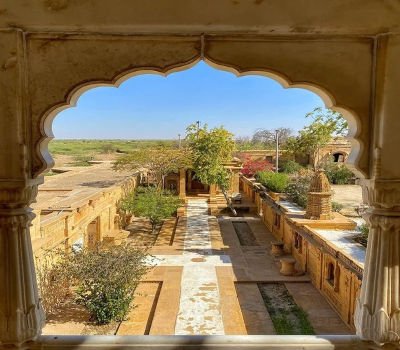
Jaisalmer brings a landscape, history, and way of life that stands apart from other destinations in Rajasthan. The city rises from the heart of the Thar Desert, where golden sandstone buildings, centuries-old trade routes, desert settlements, and cultural traditions continue to shape everyday life. From exploring the living lanes of Jaisalmer Fort to spending an evening among the dunes at Sam, every part of the region reveals a different chapter of Rajasthan's story. Adding Jaisalmer to your itinerary introduces desert scenery, architectural landmarks, folk traditions, and border heritage that are difficult to find elsewhere in the state.
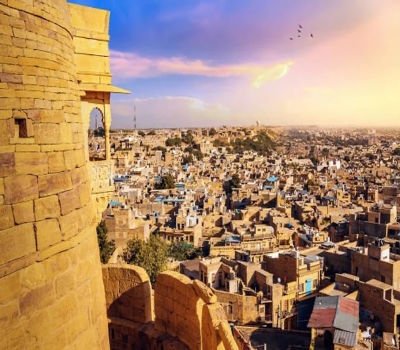
Life Inside Jaisalmer Fort – Jaisalmer Fort remains a living part of the city, with homes, temples, shops, and narrow streets that continue to be used by local residents within its historic walls.
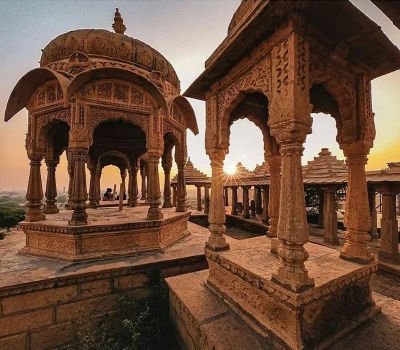
Sunsets Over the Sam Sand Dunes – The changing colours of the dunes during the evening create one of the most recognizable desert views in Rajasthan and showcase the beauty of the Thar landscape.
Stone-Carved Havelis Across the Old City – Patwon Ki Haveli, Salim Singh Ki Haveli, and Nathmal Ki Haveli display intricate sandstone craftsmanship linked to Jaisalmer's historic trading community.
Traditional Music in the Desert – Folk singers, traditional instruments, and cultural performances bring the sounds of western Rajasthan to desert camps and evening gatherings.
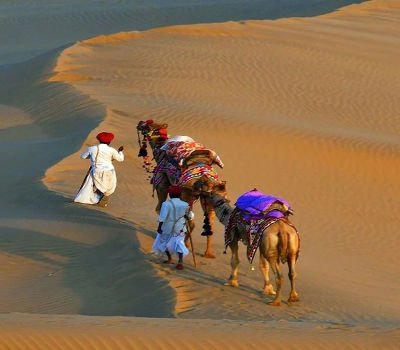
Camel Safaris Through the Thar – Riding across the dunes offers a closer look at the desert terrain, rural settlements, and open landscapes that surround Jaisalmer.
Desert Camp Evenings Under Clear Skies – Staying in a desert camp combines local cuisine, cultural performances, and starlit surroundings away from the bustle of the city.
Stories from India's Western Frontier – Tanot Mata Temple and the Longewala War Memorial provide insight into the region's connection with the Indo-Pak border and military history.
Markets Filled with Local Craftsmanship – Bazaars across Jaisalmer feature embroidered textiles, leather goods, silver jewellery, handcrafted décor, and other products shaped by local traditions.
Historic Sites Beyond the City Centre – Kuldhara, Lodurva, Amar Sagar, and Desert National Park add history, architecture, wildlife, and local legends to a Jaisalmer itinerary.
The Desert Chapter of Rajasthan – Jaisalmer introduces vast sandscapes, fortified settlements, and desert culture that complement the palaces, lakes, and urban heritage found in other parts of Rajasthan.
Explore Jaisalmer Through Different Travel Experiences
Jaisalmer is not limited to fort visits and desert sightseeing. The region offers a wide range of travel experiences that showcase different sides of life in the Thar Desert. Some journeys focus on camp stays among the dunes, while others highlight historic streets, local traditions, adventure activities, photography opportunities, or lesser-known destinations around the city. This variety allows you to explore Jaisalmer according to your interests and travel style. Whether you prefer cultural discoveries, desert landscapes, heritage landmarks, or outdoor activities, Jaisalmer offers travel experiences that highlight different aspects of the city, its desert surroundings, and the traditions that continue to shape daily life across the region.
Jaisalmer Desert Camp Tours
Desert camp tours take you into the vast landscapes that surround Jaisalmer and provide a closer look at the environment that has shaped local life for centuries. These journeys combine dune scenery, cultural performances, traditional cuisine, outdoor activities, and overnight stays within the heart of the Thar Desert. Different camp locations create different experiences, from the lively atmosphere of Sam to the quieter surroundings of Khuri. Spending time in the desert allows you to witness changing landscapes, traditional hospitality, and cultural traditions that remain closely connected to this region of Rajasthan.
Luxury Desert Camp Stays – Spacious tents, traditional Rajasthani hospitality, evening cultural performances, regional cuisine, and carefully designed camp settings come together to create a comfortable stay amid the dunes. These experiences allow you to enjoy the landscape of the Thar Desert while staying in accommodations that feature spacious interiors, desert-facing settings, cultural evenings, regional dining, and facilities designed to complement the surrounding environment.
Swiss Tent Retreats in the Dunes – Swiss tent stays combine the atmosphere of a desert camp with facilities designed for a comfortable stay amid the Thar landscape. Surrounded by rolling dunes and open desert views, these accommodations allow you to experience traditional camp life while enjoying thoughtfully arranged interiors, regional cuisine, evening cultural programs, and easy access to nearby desert activities.
Sam Sand Dunes Camp Escapes – Evening sunlight transforms the dunes into shades of gold and amber while camel caravans, folk performances, traditional meals, and desert camps create the atmosphere for which Sam is known. These experiences place you within one of the most recognizable landscapes associated with Jaisalmer and the Thar Desert.
Khuri Desert Camp Experiences – Khuri introduces a quieter side of the desert through smaller dune fields, village surroundings, traditional lifestyles, and peaceful evenings beneath open skies. The area provides an opportunity to spend time in a setting where camel herding, rural customs, and daily life continue alongside the desert environment, creating a different experience from the busier camp zones around Jaisalmer.
Desert Safari and Overnight Camp Journeys – These experiences combine camel rides or jeep safaris with overnight stays among the dunes. Travelling across desert trails during the day, passing through sandy stretches and remote surroundings, and later spending the evening around folk performances and traditional meals allows you to experience the changing character of the Thar Desert from afternoon until the following morning.
Through Jaisalmer's Historic Streets and Landmarks
Jaisalmer's historic character is visible in its sandstone architecture, fortified streets, merchant mansions, temples, and traditional marketplaces. These heritage-focused journeys explore the landmarks that developed during the city's role as an important trading centre across desert routes. Walking through these areas reveals centuries of craftsmanship, local traditions, and architectural details that continue to define the identity of the Golden City. Such experiences provide a deeper understanding of how trade, culture, religion, and daily life shaped Jaisalmer's distinctive urban landscape.
Jaisalmer Fort Exploration – Walk through narrow sandstone lanes lined with temples, family homes, rooftop cafés, historic gateways, and traditional businesses inside a fort that continues to function as a living part of the city. The experience reveals layers of history that remain visible in everyday life within its walls.
Patwon Ki Haveli Visits – Five interconnected merchant mansions display finely carved jharokhas, decorative archways, courtyards, and sandstone craftsmanship that reflects the wealth generated through historic trade routes passing through Jaisalmer. The intricate details found throughout the complex highlight the artistic skills of local craftsmen.
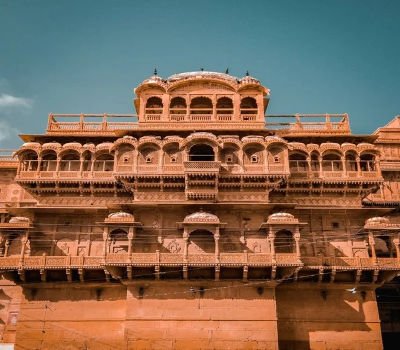
Salim Singh Ki Haveli Experiences – This landmark is recognized for its distinctive upper structure, detailed stonework, decorative balconies, and architectural style that differs from other havelis in the city. Its design reflects the ambition of a powerful noble family, while the building continues to stand as one of the most recognizable examples of Jaisalmer's architectural heritage.
Nathmal Ki Haveli Walks – Elaborate carvings, ornamental façades, artistic motifs, and traditional construction techniques showcase the craftsmanship associated with Jaisalmer's historic merchant era. The haveli remains a remarkable example of the skill and creativity that shaped the city's architectural heritage.
Historic Market and Old City Trails – Traditional bazaars, sandstone streets, handicraft shops, local food outlets, and long-established neighbourhoods reveal a side of Jaisalmer that extends beyond major landmarks. Exploring these areas provides a closer look at the commercial and cultural life that continues to animate the historic city centre.
Encounters with Local Traditions
Jaisalmer's cultural identity extends far beyond its famous fort and desert landscapes. Across the city and surrounding settlements, traditional music, dance, craftsmanship, religious customs, and community practices continue to remain visible in everyday life. These experiences focus on the people, artistic traditions, and local customs that have been passed down through generations in western Rajasthan. From evenings filled with folk performances to walks through historic neighbourhoods and visits to desert villages, these journeys offer a closer look at the traditions, customs, and cultural practices that continue to shape Jaisalmer's identity today.
Folk Music and Kalbelia Dance Evenings – Traditional performances bring together Manganiyar and Langa musicians, regional instruments, folk songs, and Kalbelia dance presentations that remain closely associated with the desert culture of western Rajasthan. These evenings often take place in desert camps and cultural venues around Jaisalmer.
Guided Walks Through the Old City – Explore narrow sandstone lanes, historic gateways, Jain temples, traditional homes, and old marketplaces while learning about the communities, architectural styles, and customs that continue to influence daily life within Jaisalmer's historic quarters.
Village Visits Beyond the Tourist Circuit – Travel beyond the city to settlements where livestock herding, traditional occupations, mud-plastered homes, and long-standing customs remain part of daily life. Time spent in these villages reveals how generations of desert communities have lived, worked, and sustained local traditions within the challenging conditions of the Thar region.
Jaisalmer with Premium Comfort and Exclusive Stays
Luxury-focused journeys combine Jaisalmer's desert landscapes and heritage landmarks with carefully selected accommodations, refined hospitality, and thoughtfully planned experiences. These itineraries often include boutique properties, heritage-style stays, premium desert camps, and exclusive settings that allow you to experience the city at a relaxed pace. Alongside sightseeing, these journeys place greater emphasis on accommodation quality, regional cuisine, personalized arrangements, and distinctive locations that add another dimension to the overall travel experience while remaining rooted in the architectural character, hospitality traditions, and desert setting of Jaisalmer.
Heritage Palace Stay Experiences – Stay in properties inspired by Rajasthan's architectural traditions, where courtyards, carved stone details, decorative interiors, traditional design elements, and regional hospitality reflect influences that continue to be visible across historic residences and heritage properties in western Rajasthan.
Boutique Fort View Accommodations – Enjoy stays overlooking Jaisalmer Fort, where rooftop terraces, sandstone surroundings, and views of the Golden City become part of the overall accommodation experience throughout your visit.
Curated Private Sightseeing Journeys – Explore major landmarks, heritage sites, viewpoints, and cultural locations through flexible itineraries that provide additional opportunities for photography, local interactions, detailed exploration, and unhurried visits to places that capture the character of Jaisalmer.
Exclusive Desert Dining Experiences – Enjoy regional dishes in carefully arranged desert settings where traditional flavours, folk performances, campfire gatherings, and dune landscapes come together during evenings shaped by local food traditions and cultural entertainment.
Premium Desert Retreats – Experience upscale desert camps that combine spacious accommodations, cultural programs, regional cuisine, and thoughtfully arranged surroundings while placing you amid dune landscapes, open desert views, and the atmosphere that defines the Thar region around Jaisalmer.
Adventures Across the Desert Landscape
The terrain surrounding Jaisalmer provides a natural setting for outdoor activities that extend beyond conventional sightseeing. Vast dune fields, sandy tracks, and open desert stretches create opportunities for exploration through different forms of adventure. These experiences focus on direct interaction with the landscape, allowing you to travel across desert terrain, experience traditional routes, and view the region from different perspectives. Whether by camel, jeep, quad bike, or aerial activity, these journeys showcase another side of Jaisalmer's desert environment.
Camel Trails Through the Dunes – Follow traditional desert routes across rolling sand dunes while experiencing a mode of travel that has remained closely linked to desert communities and caravan traditions for generations.
Off-Road Jeep Explorations – Travel through rugged desert tracks, remote landscapes, and less-frequented dune regions while covering greater distances and reaching areas that are not easily accessible through conventional transportation.
Multi-Activity Desert Adventure Experiences – Combine multiple outdoor activities within a single itinerary, allowing you to experience different sections of the desert through guided excursions, recreational pursuits, and adventure-based experiences spread across the landscape.
Quad Biking Across Sandy Terrain – Navigate designated dune areas on all-terrain vehicles while experiencing changing elevations, sandy trails, and open desert surroundings from a more active and energetic perspective.
Parasailing Above the Desert – View dune formations, desert camps, and the wider Thar landscape from above while gaining a broader perspective of the terrain that surrounds Jaisalmer and its desert settlements.
Jaisalmer Itineraries for Different Travel Durations
The amount of time spent in Jaisalmer influences how much of the region can be included within a single journey. Short stays generally focus on the fort, havelis, and desert experiences that have become closely associated with the city, while additional days create room for historic settlements, temple complexes, border-region destinations, and locations beyond the main heritage circuit. From sandstone streets and merchant-era architecture to dune landscapes and frontier landmarks, each itinerary length introduces a different combination of places connected with Jaisalmer's history and desert setting.
2 Days Across Jaisalmer's Historic and Desert Highlights
Two days bring together the locations most closely associated with Jaisalmer's identity. The itinerary typically combines Jaisalmer Fort, Patwon Ki Haveli, Salim Singh Ki Haveli, Nathmal Ki Haveli, and Gadisar Lake before continuing toward Sam Sand Dunes. Within a short period, the journey moves from historic sandstone architecture and merchant-era neighbourhoods to open desert landscapes where camel rides, folk performances, and evening activities remain part of the local tourism experience. The contrast between the old city and the dunes forms the foundation of many short Jaisalmer itineraries.
3 Days Through Jaisalmer's Forts, Havelis, and Dune Landscapes
A third day introduces additional locations that expand the story of Jaisalmer beyond its primary attractions. Alongside the fort, havelis, Gadisar Lake, and Sam Sand Dunes, the itinerary can include Lodurva Jain Temple and further exploration of the city's historic quarters. This combination brings together religious heritage, architectural craftsmanship, merchant history, and desert scenery within the same journey. The additional time also creates opportunities to spend longer within the old city, where traditional streets, temples, and historic structures continue to shape the character of Jaisalmer.
4 Days Exploring Jaisalmer Beyond the City Walls
A fourth day creates room for destinations beyond Jaisalmer's main heritage circuit. Kuldhara Village, Lodurva, and desert settlements surrounding the city introduce stories connected with the Paliwal community, early regional history, and life beyond the fort precincts. Time spent outside the urban centre reveals another side of the region, where village landscapes, historic ruins, and desert routes become part of the journey. These locations add historical depth and geographical variety that are difficult to include within shorter itineraries.
5 Days Across Jaisalmer's Heritage and Desert Landscapes
Five days create opportunities to extend the journey toward the frontier region that forms an important part of western Rajasthan's identity. Along with Jaisalmer's forts, havelis, temples, lakes, villages, and dune landscapes, the itinerary can include Tanot Mata Temple and Longewala War Memorial near the international border. These locations connect the journey with military history, local faith, and the remote desert terrain that stretches across this part of the Thar. The wider geographical coverage brings together heritage sites, religious landmarks, historic settlements, desert environments, and border-region destinations within a single itinerary.
| Duration |
Highlights Included |
Starting Price Per Person* |
| 2 Days |
Old City exploration, merchant havelis, Gadisar Lake, desert sunset experience, cultural evening |
₹6,999 onwards |
| 3 Days |
Heritage attractions, temple visits, desert camp activities, additional sightseeing within historic neighbourhoods |
₹9,999 onwards |
| 4 Days |
Heritage sites, abandoned village excursion, temple architecture, desert landscapes, cultural experiences |
₹13,999 onwards |
| 5 Days |
Heritage attractions, desert settlements, border-region sightseeing, military history locations, extended desert exploration |
₹17,999 onwards |
Package prices vary according to travel dates, hotel category, transportation arrangements, group size, and included services.
Planning a Jaisalmer Journey from Across India
Jaisalmer attracts visitors from different parts of India through its combination of living heritage, desert landscapes, historic architecture, and cultural traditions. Travel routes from major cities connect with the western edge of Rajasthan, where sandstone forts, merchant havelis, dune settlements, and frontier landmarks form the foundation of the experience. Whether arriving from northern, western, southern, or eastern India, a Jaisalmer tour package brings together locations that reflect the city's long association with trade routes, desert communities, religious traditions, and the distinctive landscapes of the Thar Desert.
Delhi to Jaisalmer: Through Heritage Streets and Desert Dunes – Overnight trains, direct flights, and road journeys make Delhi one of the most common gateways to Jaisalmer. The transition from the capital's dense urban landscape to sandstone fortifications, merchant havelis, desert camps, and dune settlements reveals a very different side of northern India.
Mumbai to Jaisalmer: Exploring Rajasthan's Desert Frontier – Mumbai's coastal skyline and Arabian Sea setting contrast sharply with the dry landscapes of western Rajasthan. Within Jaisalmer, fort walls, historic neighbourhoods, desert camps, and folk performances introduce traditions shaped by centuries of life in the Thar Desert.
Ahmedabad to Jaisalmer: From Gujarat's Gateway to the Thar – Historical trade connections between Gujarat and western Rajasthan are reflected in architecture, craftsmanship, and commercial heritage found across the region. Jaisalmer's havelis, temples, and sandstone streets continue to reflect influences linked with these long-established networks.
Jaipur to Jaisalmer: Across Rajasthan's Historic Desert Region – Moving westward from Jaipur, the landscape gradually shifts from royal capitals and palace complexes toward fortified settlements, merchant quarters, and dune environments. Together, the two cities showcase different architectural and historical traditions within Rajasthan.
Bangalore to Jaisalmer: Discovering Forts, Havelis, and Dunes – The contrast between Bangalore's modern urban environment and Jaisalmer's desert setting becomes evident through sandstone architecture, historic fortifications, traditional neighbourhoods, and landscapes shaped by the geography of the Thar region.
Hyderabad to Jaisalmer: A Journey into Rajasthan's Desert Landscape – Hyderabad's Deccan heritage and Jaisalmer's desert heritage developed within very different geographical settings. Fort precincts, temple complexes, merchant residences, and dune landscapes reveal the historical character that distinguishes western Rajasthan.
Chennai to Jaisalmer: Connecting South India with the Thar Desert – Reaching Jaisalmer from Chennai introduces one of the most dramatic geographical transitions within India, from coastal plains to desert terrain. Sandstone landmarks, desert settlements, and cultural traditions rooted in the Thar create a distinctive regional experience.
Kolkata to Jaisalmer: From the East to Rajasthan's Desert Heart – The route from eastern India to Jaisalmer connects two regions shaped by very different landscapes and historical influences. Within Jaisalmer, living fort architecture, merchant-era havelis, desert camps, and frontier landmarks reveal the character of Rajasthan's western frontier.
Jaisalmer Across the Seasons
Different times of the year bring different ways to experience Jaisalmer and the surrounding Thar Desert. Seasonal tour packages are often designed around changing desert conditions, cultural activities, sightseeing opportunities, and regional experiences. While the city's historic attractions remain central throughout the year, the focus of the itinerary can shift between desert camps, heritage landmarks, village visits, cultural performances, and outdoor excursions. Across the year, these seasonal journeys combine sandstone architecture, desert landscapes, local traditions, and historic sites that continue to define Jaisalmer and its surrounding region.
Jaisalmer During the Winter Months
Winter itineraries often combine Jaisalmer Fort, Patwon Ki Haveli, Gadisar Lake, Sam Sand Dunes, and desert camp experiences within a single journey. Camel safaris, cultural evenings, folk performances, bonfire gatherings, and overnight desert stays frequently form part of the schedule during this period. Alongside the desert experiences, travellers can spend extended time exploring historic neighbourhoods, temple complexes, merchant-era architecture, and heritage sites spread across the city and its surroundings.
Jaisalmer Under the Summer Desert Sun
Summer itineraries generally focus on a combination of heritage attractions, cultural sites, and desert activities scheduled around different parts of the day. Jaisalmer Fort, historic havelis, Gadisar Lake, temple complexes, and traditional markets remain important parts of the journey. Sunset excursions, evening cultural programs, desert camp experiences, and visits to dune landscapes continue to feature within these packages, presenting another perspective on life and travel across the Thar Desert.
Jaisalmer During the Monsoon Season
Monsoon itineraries combine Jaisalmer's historic attractions with desert landscapes influenced by seasonal rainfall. Fort precincts, merchant havelis, temple complexes, Gadisar Lake, and cultural experiences remain central to the journey, while excursions to dune regions reveal subtle changes across the surrounding landscape. Village visits, desert drives, cultural programs, and heritage exploration continue to form part of these packages, creating a seasonal variation of the Jaisalmer experience that differs from other times of the year.
Discovering the Sites That Define Jaisalmer
Jaisalmer's identity has been shaped by centuries of trade, desert life, religious traditions, military history, and distinctive sandstone architecture. The city's most recognized sites are spread across historic fort precincts, merchant neighbourhoods, desert landscapes, sacred locations, and frontier regions near the international border. From Jaisalmer Fort and historic havelis to desert settlements and border landmarks, the places included in a Jaisalmer tour package reveal different chapters of the city's story across centuries. Together, they showcase the traditions, architecture, landscapes, and historical influences that continue to shape Jaisalmer today.
Jaisalmer Fort
Jaisalmer Fort rises above the city as its most recognizable historic structure and remains closely connected to everyday life within the old city. Unlike many historic forts that function primarily as monuments, this fort continues to house residences, temples, businesses, and community spaces within its walls. Walking through its gateways and sandstone lanes brings you into a setting where religious traditions, local commerce, residential life, and centuries-old architecture continue to exist side by side. The fort remains central to understanding how Jaisalmer developed and continues to function today.
Living Historic Settlement – Homes, temples, guesthouses, shops, and traditional businesses continue to operate within the fort, creating an environment where daily life unfolds inside walls that have stood for centuries.
Intricately Carved Jain Temples – Ancient Jain temples within the fort display detailed carvings, ornate pillars, religious sculptures, and architectural features that reflect the craftsmanship and spiritual traditions of historic Jaisalmer.
Golden Sandstone Architecture – Massive defensive walls, gateways, residential structures, and courtyards built from local sandstone contribute to the appearance that has become synonymous with Jaisalmer across Rajasthan.
Panoramic Views Across the City – Elevated sections of the fort overlook densely packed sandstone neighbourhoods, historic buildings, temple spires, and the desert landscape stretching beyond the city limits.
Patwon Ki Haveli
Patwon Ki Haveli remains one of the most important reminders of the prosperity that trade brought to Jaisalmer. Built by a wealthy merchant family, the complex consists of multiple havelis that display remarkable craftsmanship and architectural detail. Every section of the structure reflects the influence of commercial networks that once connected Jaisalmer with trading centres across the region. Its façades, balconies, courtyards, and decorative interiors preserve a chapter of the city's economic and cultural history.
Five Interconnected Merchant Mansions – The complex consists of five adjoining havelis commissioned by members of the same family, creating one of the largest merchant residential complexes in Jaisalmer.
Elaborate Jharokhas and Balconies – Decorative balconies, projecting windows, carved screens, and ornamental stone details highlight the craftsmanship associated with wealthy merchant households.
Legacy of Jaisalmer's Trading Community – The haveli reflects the prosperity of merchant families whose businesses operated along desert trade routes connecting Rajasthan with regions farther west.
Detailed Sandstone Craftsmanship – Fine carvings covering façades, pillars, walls, and decorative sections demonstrate the expertise of artisans who transformed sandstone into highly detailed architectural artwork.
Salim Singh Ki Haveli
Salim Singh Ki Haveli occupies an important place within Jaisalmer's architectural heritage due to its unusual design and historical associations. Built during a period when influential administrators and noble families played a significant role in the city's affairs, the haveli continues to stand out because of its distinctive appearance. Decorative stonework, projecting balconies, and its recognizable upper section distinguish the structure from many other buildings in the old city.
Distinctive Upper Storey Design – The haveli's upper section extends outward through an arrangement of balconies and architectural elements that create one of the most recognizable profiles in Jaisalmer.
Decorative Stone Architecture – Detailed carvings, ornamental brackets, sculpted features, and carefully crafted stonework demonstrate the artistic traditions of the period.
Association with Salim Singh – The residence is linked with Salim Singh, a prominent administrator whose name remains closely connected with the city's historical narrative.
Part of Jaisalmer's Historic Urban Core – Its location among traditional streets, heritage buildings, temples, and old neighbourhoods places the haveli within one of the city's most historically significant areas.
Nathmal Ki Haveli
Nathmal Ki Haveli reflects the artistic traditions that flourished during Jaisalmer's merchant era and remains a notable example of the city's stone craftsmanship. The building is recognized for its decorative façade, carved details, and architectural features that display the skill of local artisans. Walking around the haveli reveals intricate work across its exterior, where patterns, motifs, and ornamental elements contribute to its distinctive character within the old city.
Ornamental Facades and Carvings – Decorative stone carvings cover large sections of the exterior, creating detailed patterns and artistic features that remain central to the haveli's identity.
Traditional Artisan Techniques – Construction methods, carving styles, and decorative approaches reflect techniques passed down through generations of craftsmen in Jaisalmer.
Legacy of Merchant-Era Prosperity – The haveli reflects a period when trade brought wealth, architectural development, and artistic patronage to the city's merchant community.
Intricate Motifs and Architectural Details – Floral patterns, sculpted figures, ornamental borders, and carved elements showcase the creativity and precision associated with Jaisalmer's stone artisans.
Gadisar Lake
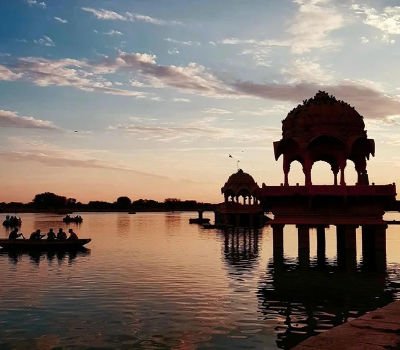
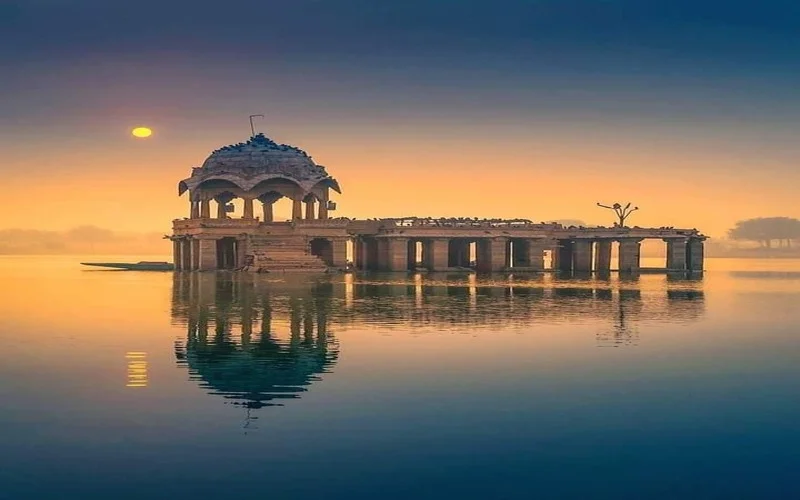
Gadisar Lake has played an important role in Jaisalmer's history since it was developed as a water reservoir for the city. In a region where water has always been closely linked with survival and settlement, the lake became both a practical resource and a gathering place for local communities. Today, temples, shrines, ghats, pavilions, and sandstone structures surround the waterbody, creating a setting that reflects the relationship between architecture, religion, and daily life in the Thar Desert. The lake remains one of the city's most recognizable historic locations.
Historic Water Reservoir of Jaisalmer – Constructed to support the city's water needs, the lake reflects the resourcefulness of communities that developed water conservation systems within the arid conditions of western Rajasthan.
Temples and Sandstone Structures Along the Shore – Shrines, pavilions, gateways, and religious structures surrounding the lake contribute to a landscape where architecture and local traditions remain closely connected.
Reflections of the Old City's Architectural Character – The calm surface of the lake mirrors nearby sandstone buildings, decorative gateways, and temple structures, particularly during the early morning and evening hours when the water is at its most reflective.
Seasonal Gathering Place for Birds – During certain months, migratory and resident bird species can be seen around the lake, adding natural activity to a location better known for its historical significance.
Sam Sand Dunes
Sam Sand Dunes represent one of the most recognizable landscapes associated with Jaisalmer and the wider Thar Desert. Located beyond the city, the area is known for rolling dunes, changing desert colours, traditional activities, and cultural gatherings held after sunset. Wind patterns continually reshape the sand, creating an environment that looks different throughout the day. The combination of open desert scenery, folk traditions, and evening camp activities has made Sam one of the defining experiences connected with Jaisalmer.
Rolling Dunes Shaped by Desert Winds – Constant wind movement creates shifting patterns across the sand, producing dune formations that change in appearance with light, weather, and season.
Sunset Colours Across the Thar Landscape – As daylight fades, the dunes take on shades of gold, amber, and orange that highlight the natural beauty of the desert environment.
Camel Safaris and Desert Exploration – Camel rides across sandy terrain remain one of the most traditional ways to experience the landscape and understand its connection with desert life.
Evenings Rooted in Folk Traditions – Manganiyar music, Kalbelia dance performances, regional cuisine, and campfire gatherings bring together cultural traditions that remain closely associated with western Rajasthan.
Kuldhara Village
Kuldhara stands as one of the most discussed historic settlements in the Jaisalmer region. Once inhabited by the Paliwal community, the village was abandoned centuries ago and has since become associated with local stories, historical speculation, and regional folklore. The remains of homes, streets, and community structures continue to provide insight into the settlement patterns and architectural practices of earlier generations. Its atmosphere and history distinguish it from other destinations around Jaisalmer.
Remains of a Historic Desert Settlement – Streets, houses, courtyards, and community spaces preserve traces of a village that once supported a thriving local population.
Connection with the Paliwal Community – Kuldhara is closely linked with the history of the Paliwal people, whose presence influenced the social and economic life of the region.
Local Legends and Regional Folklore – Stories connected with the village have contributed to its reputation and continue to form part of discussions surrounding its past.
Traditional Desert Architecture – Stone structures and settlement layouts reveal building practices that were adapted to the environmental conditions of the Thar Desert.
Lodurva Jain Temple
Lodurva served as an important settlement before the establishment of present-day Jaisalmer and continues to hold religious significance within the region. The Jain temple located here is known for its detailed stone carvings, ornate gateways, and historical importance. Its architecture reflects artistic traditions that developed long before many of the city's later landmarks. The temple remains an important reminder of the area's earlier history and the communities that lived here before Jaisalmer emerged as the region's principal centre.
Historic Religious Significance – The temple continues to serve as an important place of worship while preserving traditions associated with the Jain community.
Intricate Stone Carvings and Architecture – Decorative pillars, carved walls, ornamental details, and artistic motifs highlight the craftsmanship displayed throughout the temple complex.
Connection with Early Regional History – The temple continues to reflect the period when Lodurva served as an important settlement in the region before the rise of present-day Jaisalmer.
Ornate Gateway and Temple Complex – The entrance structures and surrounding architectural features contribute to the temple's distinctive identity within the region.
Tanot Mata Temple
Tanot Mata Temple stands in the desert landscape near the India–Pakistan border and is closely connected with both local religious traditions and the military history of the region. Stories linked with the conflicts of 1965 and 1971 continue to form an important part of the temple's identity, while regular worship and community devotion keep its religious significance alive today. Its location far from the urban centre of Jaisalmer introduces a different side of the region, where faith, history, and the frontier environment come together within the wider landscape of western Rajasthan.
Sacred Site Near the International Border – The temple's location within the border region contributes to its importance as both a religious destination and a site connected with the history of western Rajasthan.
Association with the 1965 and 1971 Conflicts – Events linked with military operations in the surrounding region remain closely connected with the temple's identity and public recognition.
Continuing Role in Local Faith – Devotees continue to visit the temple throughout the year, maintaining traditions and religious practices that have been associated with the site for generations.
Desert Setting of the Border Region – The surrounding landscape introduces visitors to a remote part of the Thar Desert that differs considerably from the urban environment of Jaisalmer.
Longewala War Memorial
Longewala War Memorial preserves the story of one of the most significant military engagements associated with the 1971 Indo-Pak War. Located near the international border, the memorial documents events that unfolded across this desert region and honours the soldiers who defended the post during the conflict. Military equipment, historical displays, and battlefield accounts help illustrate the circumstances of the engagement while providing a deeper understanding of the role this area played in modern Indian military history.
Connection with the Battle of Longewala – The memorial documents the events of a battle that became an important chapter in India's military history during the 1971 conflict.
Preserved Military Equipment and Displays – Tanks, weapons, and interpretive exhibits provide context about the conditions, strategies, and challenges faced during the battle.
Stories of Service and Defence – Information presented at the memorial highlights the actions of soldiers who served in the region during a critical period of military history.
Desert Battlefield Landscape – The surrounding terrain offers a sense of the environmental conditions in which military operations took place across this section of the border region.
Experiences Across Jaisalmer's Desert Landscape
The desert surrounding Jaisalmer offers far more than sand dunes and sightseeing stops. Across the Thar region, different experiences reveal how local communities, traditional activities, cultural performances, and desert landscapes remain connected to everyday life. From camel trails across rolling dunes to evenings filled with folk music beneath open skies, these experiences showcase the environment that has shaped Jaisalmer for centuries. The desert changes throughout the day, presenting different colours, temperatures, sounds, and activities from sunrise until late evening. Together, these experiences introduce different aspects of desert life while highlighting the scenery, traditions, and atmosphere that continue to define this part of western Rajasthan.
Sam Sand Dunes
Sam Sand Dunes remain among the most recognized desert landscapes in the Jaisalmer region. Located west of the city, the area is known for expansive dune formations, sunset views, cultural programs, and desert camp experiences. Wind patterns continually reshape the sand, creating changing textures and contours across the landscape. Throughout the day, the appearance of the dunes changes with the movement of light, producing different shades and visual patterns. Within a Jaisalmer tour, Sam often serves as the setting where dune landscapes, cultural traditions, and desert activities come together in a single location.
Khuri Sand Dunes
Khuri offers a quieter alternative to the larger dune fields around Sam while preserving the atmosphere of a traditional desert settlement. Smaller dunes, village surroundings, camel trails, and open desert views create a setting that reflects everyday life in the Thar region. The surrounding landscape remains closely connected with local communities, livestock herding, and rural desert traditions. Khuri's smaller dune formations, village surroundings, and quieter desert setting create a noticeable contrast with the larger activity zones around Sam and reveal another side of desert life in western Rajasthan.
Camel Safari
Camel safaris follow routes that have long been associated with movement across the Thar Desert. Travelling through dunes and open terrain by camel reflects a mode of transportation that supported trade, communication, and daily movement across desert regions for generations. The journey follows sandy trails that pass through dune fields and open landscapes while maintaining a pace shaped by the terrain itself. Camel caravans continue to represent an enduring symbol of life across the desert regions surrounding Jaisalmer.
Jeep Safari
Jeep safaris cover larger stretches of desert terrain and reach locations beyond the commonly visited dune areas. Routes often cross sandy tracks, remote landscapes, and sections of open desert where changing terrain creates a different experience from traditional sightseeing. The movement across rugged ground, shifting sand, and less-frequented routes highlights the scale and diversity of the landscape extending beyond Jaisalmer's urban surroundings. These routes reveal sections of the Thar that remain less visible from the main tourism corridors.
Sunset Desert Excursions
As daylight begins to fade, the desert landscape undergoes a noticeable transformation. Dunes take on shades of gold, amber, and orange while shadows create changing patterns across the sand. Sunset excursions focus on this period of the day, when the scenery around Jaisalmer displays some of its most distinctive colours and visual contrasts. The gradual transition from daylight to evening reveals a side of the Thar Desert that has long been associated with the region's visual identity.
Sunrise Desert Excursions
Early morning presents a different side of the desert environment. Cooler temperatures, quieter surroundings, and the first light of the day create conditions that contrast with the atmosphere experienced later in the afternoon. Sunrise excursions highlight the calm character of the dunes before daily activity begins across the region. As sunlight gradually spreads across the landscape, the contours of the sand become more visible, revealing details and textures that are often less noticeable during brighter periods of the day.
Desert Camp Stay
Desert camp stays combine accommodation, local hospitality, cultural performances, and traditional cuisine within the setting of the Thar Desert. Tent settlements positioned near dune regions become gathering places for evening cultural activities, regional food, and traditional entertainment. After sunset, the atmosphere shifts from daytime desert activity to music, conversation, and performances that reflect customs preserved within local communities. These camps remain an important part of the desert culture associated with Jaisalmer.
Folk Music and Dance Evenings
Traditional performances remain an important part of the desert experience around Jaisalmer. Manganiyar and Langa musicians, regional instruments, and Kalbelia dance presentations showcase artistic traditions that have been preserved across generations. These cultural gatherings continue to form an important part of many desert evenings. The performances reflect stories, customs, and musical styles that developed within desert communities and remain closely connected with the cultural identity of western Rajasthan.
Bonfire Experiences
Bonfire gatherings bring together music, conversation, local cuisine, and the atmosphere of the desert after sunset. With open skies and dune landscapes forming the backdrop, these evenings become a setting for folk performances, traditional meals, and social interaction within the camp environment. The contrast between cool desert nights and the warmth of the fire contributes to an atmosphere that has become closely associated with overnight stays in the dunes.
Overnight Desert Camping
Spending a night in the desert introduces a perspective that cannot be experienced during a brief excursion. The transition from sunset to starlit skies, followed by the arrival of morning light across the dunes, highlights different stages of desert life and landscape within a single stay. Hours spent in the desert after dark reveal a quieter environment shaped by open horizons, clear night skies, and the absence of the activity that characterises daytime conditions across the Thar Desert.
Activities Across Jaisalmer's Desert and Heritage Landscape
Jaisalmer offers more than visits to forts, havelis, and historic landmarks. Across the city and surrounding desert region, a variety of activities introduce different aspects of local life, cultural traditions, and the landscape of the Thar Desert. Some experiences focus on adventure and exploration, while others provide opportunities to engage with architecture, music, markets, and traditional communities. Together, these activities highlight different aspects of Jaisalmer's desert environment, historic neighbourhoods, artisan traditions, and cultural heritage.
Camel Riding
Camel riding remains one of the most closely associated activities with the desert landscapes surrounding Jaisalmer. Long before modern roads and vehicles became common, camels played an essential role in transportation and trade across the Thar Desert. Today, camel rides continue to follow routes through dune landscapes and open terrain, allowing visitors to experience the desert at a pace that reflects traditional movement across the region. The activity also provides insight into the relationship between desert communities and the animals that supported life in this challenging environment.
Traditional Desert Transport – Camels have served as an important means of transportation across the Thar Desert for centuries. Riding through the landscape on camelback reflects a tradition that supported trade, communication, and movement between settlements long before modern transport networks reached the region.
Routes Across the Dunes – Camel rides often pass through rolling sand dunes, open desert stretches, and less-developed areas beyond the city. These routes highlight the natural features of the landscape while providing uninterrupted views across sections of the Thar Desert.
Connection with Desert Communities – Local camel handlers and guides continue to preserve skills and knowledge passed down through generations. Their experience offers insight into desert traditions and the role camels continue to play within some rural communities.
Different Perspective of the Landscape – Travelling at the slower pace of a camel allows greater observation of dune formations, desert vegetation, and changing terrain. The experience differs considerably from motorized travel through the same environment.
Jeep Safari
Jeep safaris provide a more adventurous way to explore the desert and reach locations beyond commonly visited sightseeing areas. These excursions travel across sandy tracks, open terrain, and remote sections of the landscape that are difficult to access through conventional transport. Jeep safaris reach larger sections of the desert and reveal landscapes that extend far beyond the commonly visited dune areas. They often complement traditional desert experiences by covering greater distances within a shorter period of time.
Covering Larger Desert Areas – Jeeps can travel across extensive sections of desert terrain within a limited timeframe, allowing access to locations that may be difficult to include during slower forms of exploration.
Exploration Beyond Main Routes – Many safari routes extend beyond heavily visited areas and pass through remote sections of the desert where the landscape appears largely unchanged by urban development.
Changing Desert Terrain – The journey highlights variations in dune formations, sandy plains, rocky patches, and open stretches of terrain that together contribute to the geographical diversity of the Thar Desert.
Combination of Adventure and Scenery – Driving across uneven surfaces, shifting sands, and remote tracks creates an adventurous experience while also showcasing the natural beauty of western Rajasthan's desert environment.
Desert Camping
Desert camping extends the experience beyond daytime sightseeing and introduces a different side of life in the dunes. Camps located near desert landscapes combine accommodation with regional cuisine, cultural performances, and evening activities. Staying overnight creates opportunities to experience changing conditions from sunset through the night and into the following morning. Desert camping remains a central part of many Jaisalmer itineraries and desert excursions, bringing together accommodation, entertainment, and desert surroundings in one setting.
Accommodation Near the Dunes – Camps are generally positioned close to desert landscapes, allowing guests to remain surrounded by dune scenery rather than returning to the city after sunset.
Evening Activities Within the Camp – Traditional music, dance performances, local cuisine, and social gatherings often become central parts of the experience once daytime excursions come to an end.
Experiencing Desert Nights – The desert takes on a very different character after dark, with cooler temperatures, quieter surroundings, and open skies creating a distinctive atmosphere around the camps.
Closer Interaction with the Landscape – Spending extended time in the desert provides opportunities to observe changes in light, temperature, and scenery that are not always visible during shorter visits.
Cultural Performances
Traditional music and dance remain important parts of Jaisalmer's cultural identity and continue to be featured in many desert experiences. Performances held in camps and cultural venues showcase artistic traditions that have been preserved by local communities across generations. Music, storytelling, dance, and traditional instruments all contribute to evenings that reflect the cultural heritage of western Rajasthan. These performances remain among the most recognizable aspects of the region's cultural landscape.
Manganiyar and Langa Music Traditions – Local musicians continue to perform musical styles associated with desert communities, preserving songs and traditions that have been passed down through generations.
Kalbelia Dance Presentations – Kalbelia performances are known for their distinctive movements, traditional attire, and strong connection with Rajasthan's cultural heritage and performing arts traditions.
Regional Instruments and Folk Songs – Musical performances often feature instruments and compositions that developed within desert communities and continue to reflect local customs and storytelling traditions.
Reflection of Local Traditions – Songs, dances, and performances often draw upon themes connected with regional history, social customs, and everyday life within western Rajasthan.
Heritage Walks
Heritage walks provide opportunities to explore Jaisalmer beyond its major monuments and reveal details that are often overlooked during conventional sightseeing. Walking through historic neighbourhoods introduces traditional streets, temples, residential areas, and architectural features that contribute to the city's identity. The experience creates a closer connection with the old city and its long history as a centre of trade, religion, and community life.
Exploring Narrow Sandstone Lanes – Traditional streets lined with sandstone buildings reveal architectural styles and urban layouts that have remained part of Jaisalmer for generations.
Understanding the Old City's Layout – Heritage walks help explain how residential areas, markets, temples, and public spaces developed within and around the historic fort settlement.
Observing Architectural Details – Carved balconies, decorative facades, gateways, courtyards, and stone craftsmanship become easier to appreciate while exploring the city on foot.
Connecting with Local History – Many locations encountered during heritage walks are connected with stories, traditions, and historical developments that influenced the growth of Jaisalmer.
Stargazing in the Thar Desert
The open landscapes surrounding Jaisalmer create favourable conditions for observing the night sky. Away from dense urban lighting, large sections of the desert offer clearer views of stars and celestial patterns. Stargazing adds a different dimension to the desert experience by highlighting the natural environment after dark. Combined with the quiet atmosphere of the dunes, it introduces an aspect of the landscape that remains unseen during daytime activities.
Wide Open Horizons – The absence of tall structures and dense development creates broad views of the sky across large sections of the surrounding desert landscape.
Reduced Artificial Light – Locations beyond the city experience lower levels of artificial illumination, making stars and celestial features easier to observe during clear nights.
Changing Desert Atmosphere After Dark – As daytime activity fades, the desert becomes quieter and more reflective, creating a setting well suited to observing the night sky.
Experience Beyond Daytime Sightseeing – Stargazing introduces a natural element of the desert that complements heritage visits, cultural activities, and daytime exploration.
Local Market Exploration
Traditional markets remain important centres of trade, craftsmanship, and everyday activity within Jaisalmer. Exploring these areas introduces visitors to local products, artisan traditions, and commercial spaces that continue to operate within historic neighbourhoods. Markets also reflect the city's long association with regional trade routes. Alongside handicrafts and local products, these markets remain active commercial spaces used by residents throughout the day.
Shopping Within Historic Neighbourhoods – Many of Jaisalmer's markets are located near heritage areas, creating a close connection between commercial activity and historic surroundings.
Handcrafted Regional Products – Textiles, embroidered items, leather goods, handicrafts, jewellery, and decorative products reflect skills preserved by local artisans across generations.
Interaction with Everyday Local Life – Market areas provide opportunities to observe daily routines, business activities, and social interactions that continue within the city.
Traditional Trading Culture – These commercial spaces reflect Jaisalmer's historical role within regional trade networks and its long-standing connection with merchants and craftsmen.
Choosing the Right Time for a Jaisalmer Journey
Seasonal conditions influence how Jaisalmer's forts, desert camps, dune landscapes, cultural programs, and outdoor activities are experienced across different months of the year. The city's sandstone architecture, historic neighbourhoods, desert excursions, and heritage attractions remain accessible throughout the year, although some seasons are considerably more suitable for extensive exploration than others. Understanding how winter, summer, and monsoon conditions shape travel across the Thar Desert can help in selecting the most suitable period for a Jaisalmer journey.
Winter (October to March)
Winter is the preferred season for exploring Jaisalmer and the surrounding Thar Desert. Most tour packages during this period combine Jaisalmer Fort, Patwon Ki Haveli, Gadisar Lake, Sam Sand Dunes, desert camps, and cultural experiences within a comfortable sightseeing schedule. Camel safaris, jeep safaris, folk performances, bonfire evenings, and overnight desert stays are also commonly included. The season supports extensive outdoor exploration and remains the most popular period for heritage tourism, desert activities, and longer itineraries across the region.
Summer (April to June)
Summer is generally the least recommended period for visiting Jaisalmer due to extremely high daytime temperatures across the Thar Desert. Outdoor sightseeing, desert excursions, and extended exploration can become challenging during the hottest parts of the day. Visitor numbers remain significantly lower than during the winter months because of the intense desert heat. While hotels and tour services continue to operate, summer is not typically considered the preferred season for experiencing Jaisalmer's desert landscapes, heritage attractions, and outdoor activities.
Monsoon (July to September)
Monsoon brings a different atmosphere to Jaisalmer and introduces seasonal variation across the desert landscape. Although rainfall remains limited compared with many other parts of India, occasional showers and cloud cover create noticeable changes across the surrounding region. Heritage attractions such as Jaisalmer Fort, historic havelis, temples, and local markets continue to attract visitors, while desert excursions remain available in many areas. Monsoon remains a quieter period compared with the winter tourism season and showcases a less commonly seen side of the Thar Desert.
| Season |
Months |
Average Temperature |
Travel Suitability |
What to Expect |
| Winter |
October to March |
Approximately 8°C to 28°C |
Highly Recommended |
Comfortable conditions for exploring Jaisalmer Fort, historic havelis, Gadisar Lake, desert camps, camel safaris, jeep safaris, and cultural performances across the Thar Desert. |
| Summer |
April to June |
Approximately 25°C to 45°C+ |
Least Recommended |
Intense desert heat dominates the region. Visitor numbers are significantly lower, and outdoor activities are generally limited to early morning and evening hours. |
| Monsoon |
July to September |
Approximately 24°C to 35°C |
Moderately Recommended |
Occasional rainfall, cloud cover, changing desert scenery, fewer crowds, heritage sightseeing, local market visits, and seasonal variations across the surrounding landscape. |
Where to Stay During a Jaisalmer Journey
From sandstone havelis within historic neighbourhoods to desert camps near the dunes, accommodation in Jaisalmer reflects different aspects of the city's heritage, landscape, and cultural traditions. Some properties occupy restored merchant residences within the old city, while others are positioned close to desert regions beyond the urban centre. Accommodation styles vary considerably across the destination, allowing visitors to experience Jaisalmer through its historic architecture, desert surroundings, regional hospitality, and long-standing cultural influences.
Heritage Haveli Stays
Heritage haveli stays offer an opportunity to experience Jaisalmer through buildings that reflect the city's merchant-era history. Many of these properties occupy restored sandstone residences that once belonged to trading families whose influence shaped the development of the city. Architectural details such as carved balconies, courtyards, decorative facades, and traditional layouts continue to define these accommodations. Staying in a haveli places guests within neighbourhoods where merchant-era architecture continues to define the character of the old city.
Luxury Desert Camps
Luxury desert camps combine modern comfort with the landscapes of the Thar Desert. Usually located near dune regions such as Sam, these camps provide accommodation surrounded by open desert scenery rather than urban streets and buildings. Cultural performances, regional cuisine, sunset excursions, camel rides, and evening gatherings often form part of the experience. The surrounding dune landscape becomes part of the stay itself rather than a short excursion from the city, creating a setting closely connected with Jaisalmer's desert identity.
Boutique Hotels
Boutique hotels in Jaisalmer often occupy smaller properties that blend local architectural influences with contemporary hospitality. Sandstone construction, rooftop terraces, traditional decorative elements, and views of the fort frequently contribute to their character. Many are located close to historic streets, local markets, and important heritage attractions, making them convenient bases for exploring the city. Their scale and design create a different atmosphere from larger hotels while remaining closely connected with the architectural identity of Jaisalmer.
Premium Resorts
Premium resorts are generally located on larger properties positioned either on the outskirts of the city or along routes leading toward the desert. These accommodations often include landscaped grounds, spacious guest areas, multiple dining venues, and recreational facilities. Their locations provide a balance between access to Jaisalmer's heritage attractions and the open landscapes surrounding the city. Many travellers choose these properties when combining city sightseeing with desert experiences over several days.
Traditional Rajasthani Stays
Traditional Rajasthani stays focus on regional architecture, local hospitality, and cultural influences that reflect the heritage of western Rajasthan. Decorative elements, furnishings, construction styles, and culinary traditions often draw inspiration from the surrounding region. These properties provide an environment that feels closely connected with local customs and everyday life. For travellers interested in experiencing the cultural atmosphere of Rajasthan alongside sightseeing and desert excursions, traditional stays offer a setting rooted in regional identity and long-standing traditions.
Cultural Traditions and Celebrations Across Jaisalmer
Jaisalmer's cultural identity extends beyond its forts, havelis, and desert landscapes. Throughout the year, festivals, traditional gatherings, folk performances, and community celebrations bring music, dance, crafts, and regional customs into public spaces across the city and surrounding desert region. These events reflect traditions that have been preserved through generations and continue to play an important role in local life. Together, these events showcase cultural traditions that continue to influence everyday life, artistic expression, and community celebrations across Jaisalmer and the surrounding desert region.
Jaisalmer Desert Festival
The Jaisalmer Desert Festival is one of Jaisalmer's best-known annual cultural events and is usually held in the weeks leading up to Holi. Celebrations take place across desert venues and public spaces, bringing together folk artists, musicians, performers, craftsmen, and local communities. The festival highlights traditions associated with desert life and showcases many cultural practices that continue to be preserved across western Rajasthan. A Jaisalmer trip during the festival period coincides with folk performances, traditional competitions, community gatherings, and cultural celebrations that bring different aspects of desert culture into public view.
Folk Music and Dance Performances – Traditional performances by Manganiyar and Langa musicians, along with Kalbelia dancers, form an important part of the festival's cultural program.
Camel-Centred Competitions – Camel decoration displays, races, and cultural contests highlight the long-standing relationship between desert communities and these animals.
Traditional Rajasthani Attire and Customs – Local participants often showcase regional clothing, jewellery, and customs that remain associated with desert culture.
Celebrations Across Desert Landscapes – The setting of the Thar Desert contributes significantly to the atmosphere and visual character of the festival.
Gangaur Celebrations
Gangaur remains one of Rajasthan's most significant traditional festivals and continues to be observed in Jaisalmer through religious and cultural activities. The festival is associated with devotion, community participation, and long-established customs. Processions, ceremonies, traditional attire, and decorative displays contribute to the celebrations. The celebrations continue traditions that remain important within many households and communities across Rajasthan and reflect customs that have been preserved across generations.
Traditional Processions Through the City – Public processions featuring traditional attire and ceremonial observances form a visible part of the celebrations.
Religious and Cultural Significance – The festival reflects customs and beliefs that have remained important across Rajasthan for generations.
Decorative Displays and Ceremonies – Colourful decorations, community gatherings, and ceremonial activities contribute to the festive atmosphere.
Community Participation – Residents from different parts of the city take part in celebrations that continue to preserve local traditions.
Local Folk Performances and Cultural Events
Traditional music, storytelling, and dance continue to play an important role in Jaisalmer's cultural landscape throughout the year. These performances are not limited to major festivals and can also be experienced during cultural gatherings, special events, and desert camp programs. Artistic traditions preserved by local communities remain closely connected with the history, customs, and identity of the region. These performances continue artistic traditions that remain closely associated with desert communities across western Rajasthan.
Manganiyar and Langa Musical Traditions – Folk musicians continue to preserve songs, instruments, and performance styles passed down through generations.
Kalbelia Dance Performances – Recognized for distinctive movements and traditional attire, Kalbelia remains among Rajasthan's most celebrated dance forms.
Storytelling Through Music and Performance – Many performances incorporate narratives connected with regional history, folklore, and social traditions.
Cultural Programs Across Different Venues – Folk performances take place at festivals, heritage properties, cultural centres, and desert camps throughout the year.
Exploring Jaisalmer Through Its Regional Cuisine
Food in Jaisalmer reflects the environmental conditions, agricultural practices, and culinary traditions that have shaped life across western Rajasthan for generations. Many regional dishes developed in response to the dry climate of the Thar Desert, using ingredients that could be stored for extended periods and prepared with limited water. Regional cuisine remains closely linked with the ingredients, cooking methods, and food traditions that developed across Jaisalmer and the surrounding desert region. From traditional meals served in local eateries to recipes preserved within households, these dishes remain an important part of the city's cultural heritage.
Dal Baati Churma – Dal Baati Churma remains one of Rajasthan's most recognized traditional meals. The combination of baked wheat dumplings, lentils, and sweet churma is commonly served during family gatherings, celebrations, and traditional meals. The dish continues to hold an important place within the culinary traditions of western Rajasthan.
Ker Sangri – Prepared using desert beans and wild berries that grow naturally in arid regions, Ker Sangri is among the most distinctive dishes associated with the Thar Desert. Its ingredients reflect the resourcefulness of local communities that adapted their cooking traditions to the desert environment.
Gatte Ki Sabzi – This curry features gram flour dumplings cooked in a spiced yoghurt-based gravy. The dish became popular in regions where fresh vegetables were not always available throughout the year and continues to be widely served across Rajasthan, including in Jaisalmer.
Bajra Roti – Bajra has long been cultivated in the dry regions of western Rajasthan, making Bajra Roti a staple food in many households. The flatbread is commonly served with regional vegetables, curries, and traditional accompaniments that reflect the food culture of the desert region.
Pyaaz Kachori – Filled with a spiced onion mixture and fried until crisp, Pyaaz Kachori remains a popular snack across Rajasthan. It is commonly found in local markets, traditional sweet shops, and food outlets where regional snacks continue to form an important part of everyday food culture.
Mirchi Vada – Mirchi Vada consists of large chillies stuffed with spiced fillings and coated in gram flour batter before frying. The snack remains widely associated with Rajasthan's street food traditions and is commonly enjoyed with chutneys and hot beverages.
Ghevar – Ghevar is a traditional sweet closely associated with festivals and seasonal celebrations across Rajasthan. Known for its distinctive honeycomb-like texture, it is often prepared during occasions such as Teej and Raksha Bandhan and remains an important part of festive food traditions.
Makhaniya Lassi – Makhaniya Lassi is a rich yoghurt-based beverage known for its thick texture and generous topping of cream or butter. It remains a popular accompaniment to traditional meals and is widely served in restaurants and eateries throughout Rajasthan.
Rajasthani Thali – A Rajasthani Thali brings together several regional dishes on a single platter, often including preparations such as Dal Baati, Ker Sangri, Gatte Ki Sabzi, breads, chutneys, and traditional sweets. It provides a broad introduction to the flavours and culinary traditions associated with Jaisalmer and Rajasthan.
Exploring Jaisalmer Through Its Traditional Markets and Crafts
Jaisalmer's markets reflect centuries of trade, craftsmanship, and cultural exchange that contributed to the city's development as an important centre along historic desert trade routes. Traditional bazaars, artisan workshops, and family-run shops continue to offer products that showcase local skills, regional materials, and long-established craft traditions. From embroidered textiles and leatherwork to jewellery and decorative items, the city's markets highlight artistic practices that remain closely connected with the cultural heritage of western Rajasthan. Many of these products continue to be made and sold by artisan families whose craft traditions remain part of everyday life in the city.
Embroidered Textiles and Fabrics – Embroidered fabrics, patchwork textiles, dupattas, odhnis, and decorative cloth items remain among the most recognizable products found in Jaisalmer's markets. Many designs feature mirror work, traditional stitching techniques, and colourful patterns associated with desert communities across western Rajasthan.
Leather Goods and Accessories – Jaisalmer's markets offer a variety of handcrafted leather products, including bags, belts, wallets, footwear, and decorative items. Traditional mojari footwear and products crafted using locally practiced leatherworking techniques remain popular among visitors seeking regional handicrafts.
Mirror Work and Decorative Crafts – Mirror work continues to be an important element of Rajasthan's decorative traditions. Wall hangings, cushion covers, textile decorations, and handmade craft items often incorporate reflective detailing and embroidery styles commonly associated with desert regions of the state.
Silver Jewellery and Traditional Ornaments – Silver jewellery remains an important part of Rajasthan's cultural identity and can be found throughout Jaisalmer's traditional markets. Many pieces feature designs inspired by regional ornament styles, tribal influences, and decorative traditions that have remained popular for generations.
Handcrafted Puppets and Souvenirs – Traditional Rajasthani puppets remain closely linked with folk storytelling and performance traditions. These handcrafted items are widely available in market areas and continue to represent one of the most recognizable artistic expressions associated with Rajasthan's cultural heritage.
Rajasthani Paintings and Artwork – Paintings and decorative artwork sold in Jaisalmer often feature desert landscapes, camel caravans, fort architecture, folk traditions, and scenes from regional history. These artistic themes reflect the environment and cultural influences that have shaped life across the Thar Desert.
Local Markets and Bazaar Streets – Areas surrounding Jaisalmer Fort and the historic city continue to function as active market districts where handicrafts, textiles, jewellery, decorative items, and everyday goods are traded. These streets remain closely connected with the commercial traditions that contributed to Jaisalmer's historical importance as a trading centre.
Helpful Tips Before Exploring Jaisalmer
Exploring Jaisalmer involves a combination of heritage sites, desert excursions, market visits, and outdoor activities spread across different parts of the city and surrounding Thar region. Conditions can vary between historic neighbourhoods, dune landscapes, and remote desert locations, particularly across different seasons. Understanding local conditions before arrival can help with planning accommodation, sightseeing schedules, desert activities, and seasonal travel arrangements. These practical considerations can contribute to a smoother experience while exploring Jaisalmer and its surrounding attractions.
Carry Suitable Clothing for Desert Conditions – Lightweight and breathable clothing is generally suitable for daytime sightseeing, while an additional layer can be useful during winter evenings in desert areas. Sunglasses, a hat, and sun protection are also recommended for extended outdoor activities.
Plan Desert Activities Around Daylight Hours – Camel rides, jeep safaris, and visits to dune regions are often scheduled during sunrise or sunset periods. These times are commonly preferred because dune landscapes are most active during these hours and temperatures remain comparatively comfortable for outdoor exploration.
Stay Hydrated During Outdoor Exploration – Exploring forts, heritage streets, markets, and desert attractions can involve considerable time outdoors. Carrying drinking water throughout the day is especially important during warmer months and extended sightseeing schedules.
Respect Local Customs and Religious Sites – Temples, shrines, and religious locations across Jaisalmer continue to play an important role in community life. Modest attire and respectful behaviour are generally expected when visiting such places.
Book Desert Camps During Peak Season – Accommodation near popular dune regions can experience high demand during the winter tourism season. Advance reservations are often helpful when planning desert stays, cultural evenings, or overnight camping experiences.
Keep Cash for Smaller Purchases – While digital payments are widely accepted in many establishments, some smaller vendors, local markets, and roadside shops may still prefer cash transactions for everyday purchases.
Choose Comfortable Footwear for Sightseeing – Exploring Jaisalmer Fort, historic neighbourhoods, market streets, and desert locations often involves walking across uneven stone pathways and sandy terrain. Comfortable footwear can make sightseeing more convenient.
Check Seasonal Conditions Before Travel – Seasonal temperatures influence sightseeing schedules, desert excursions, and accommodation demand throughout the year. Conditions can differ considerably between winter, summer, and monsoon months, making seasonal planning useful before finalizing travel arrangements.
Why Choose IndiaTripio for Your Jaisalmer Trip
Planning a trip to Jaisalmer often involves coordinating transportation, accommodation, sightseeing, desert activities, and travel schedules. IndiaTripio focuses on creating travel experiences that can be tailored to different interests, travel styles, and trip durations rather than relying solely on fixed itineraries. From heritage-focused holidays and desert camp experiences to family trips and extended Rajasthan tours, the emphasis remains on personalized planning, destination knowledge, transparent communication, and continuous support throughout the travel process. This approach allows you to explore Jaisalmer with an itinerary designed around your interests, travel style, and preferred experiences while benefiting from practical guidance at every stage of the trip.
Personalized Planning for Every Traveller
Every traveller experiences Jaisalmer differently. You may prioritize heritage attractions such as Jaisalmer Fort, Patwon Ki Haveli, and Gadisar Lake, or focus on desert camps, camel safaris, cultural experiences, and multi-city Rajasthan itineraries. IndiaTripio offers customizable tour packages that can be adapted according to your sightseeing preferences, accommodation choices, activity selections, and trip duration instead of limiting you to a fixed itinerary.
Flexible Itinerary Options – Your travel plan can be adjusted to include preferred attractions, desert experiences, accommodation categories, and travel schedules based on your requirements.
Suitable for Different Travel Styles – Whether you are travelling as a couple, family, group, or solo traveller, itineraries can be planned around your preferred travel style.
Knowledge Backed by Destination Understanding
Successful travel planning depends on more than booking hotels and transportation. It also requires an understanding of seasonal conditions, sightseeing logistics, accommodation locations, desert activities, and regional travel routes. IndiaTripio's team uses destination-specific knowledge to help create itineraries that align with local conditions and practical travel considerations.
Guidance Based on Local Travel Insights – Recommendations are shaped by an understanding of Jaisalmer's attractions, desert regions, seasonal travel patterns, accommodation options, and sightseeing schedules.
Practical Travel Planning Support – Assistance is available when selecting suitable routes, stay options, activity combinations, and itinerary structures that match your travel preferences.
Dedicated Assistance Throughout the Trip
Travel planning does not end after a booking is confirmed. Questions, schedule changes, and travel-related requirements can arise before and during the trip. IndiaTripio's team remains available from the planning stage until the completion of your holiday, helping you stay informed and supported throughout the travel experience.
Support Before Departure – Assistance is provided during itinerary planning, booking confirmation, travel preparation, and pre-departure coordination.
Continued Communication During Travel – Ongoing support helps address travel-related queries, schedule adjustments, and coordination requirements while your trip is underway.
Transparent Pricing and Clear Inclusions
Understanding exactly what is included within a package is an important part of planning a holiday. IndiaTripio emphasizes transparency by clearly outlining accommodation details, transportation arrangements, sightseeing inclusions, activity information, package exclusions, and applicable costs before confirmation.
No Hidden Charges – Package pricing is communicated clearly so you understand the services included within your booking before making a decision.
Detailed Package Information – Accommodation categories, sightseeing plans, transportation arrangements, activity inclusions, and itinerary details are explained in advance.
Well-Planned Accommodation and Stay Options
Accommodation preferences vary significantly between travellers. You may prefer a heritage haveli within a historic neighbourhood, a desert camp near the dunes, a boutique hotel, or a premium resort. IndiaTripio helps match accommodation options with your travel style, budget, location preferences, and itinerary requirements to create a more suitable stay experience across Jaisalmer and the surrounding desert region.
Multiple Accommodation Categories – Options can include heritage stays, desert camps, boutique hotels, premium resorts, and traditional Rajasthani properties depending on your preferences and package requirements.
Accommodation Matched to Travel Preferences – Stay options can be selected according to your comfort expectations, sightseeing priorities, preferred locations, and overall travel style.
Seamless Transportation and Local Coordination
Transportation often plays an important role in Rajasthan itineraries, particularly when combining sightseeing, desert excursions, and intercity travel. IndiaTripio assists with transportation planning and travel coordination to help create smoother movement between attractions, hotels, railway stations, airports, and activity locations.
Coordinated Travel Arrangements – Transportation schedules can be aligned with accommodation check-ins, sightseeing plans, desert activities, and arrival or departure timings.
Reduced Planning Complexity – Coordinated arrangements help simplify your travel logistics and reduce the time spent managing multiple bookings and schedules.
Suitable for Short and Extended Rajasthan Itineraries
Jaisalmer is frequently combined with destinations such as Jaipur, Jodhpur, Udaipur, Bikaner, and Mount Abu. IndiaTripio can design both destination-specific holidays and broader Rajasthan itineraries based on your available travel time and interests.
Flexible Trip Durations – Packages can be planned for short getaways, extended holidays, family vacations, and multi-city Rajasthan tours.
Easy Combination With Other Destinations – Your Jaisalmer itinerary can be integrated with other heritage cities, desert regions, and cultural destinations across Rajasthan.
Focus on Clear Communication
Clear communication helps you understand your itinerary, package inclusions, travel schedules, accommodation details, and activity arrangements before departure. IndiaTripio places emphasis on keeping you informed throughout the planning and travel process.
Transparent Travel Information – Important travel details, inclusions, exclusions, and itinerary schedules are communicated clearly before travel begins.
Responsive Assistance – Questions related to accommodations, transportation, sightseeing plans, and activity arrangements can be addressed throughout different stages of your trip.
One Team From Planning to Trip Completion
Many travel arrangements involve coordination between hotels, transportation providers, sightseeing schedules, desert camps, and activity operators. Rather than directing you through multiple points of contact, IndiaTripio maintains a single support structure from the initial inquiry until the completion of your trip. This simplifies communication, improves coordination, and ensures that important travel information remains accessible throughout the travel experience.
Consistent Point of Contact – You can communicate with a dedicated team that remains familiar with your itinerary, requirements, and travel arrangements.
Simplified Coordination – Accommodation, transportation, sightseeing, and activity-related information can be managed through a coordinated support process rather than multiple independent contacts.
Start Planning Your Jaisalmer Getaway
Jaisalmer brings together a living fort, centuries-old havelis, traditional markets, desert settlements, and the distinctive landscapes of the Thar Desert within a single destination. Days can be spent exploring historic streets, visiting architectural landmarks, experiencing local food traditions, and discovering cultural practices that continue to shape life across western Rajasthan. Beyond the city, dune landscapes, desert camps, camel safaris, and folk performances introduce another side of the region's heritage. Whether you are planning a short visit or a longer Rajasthan itinerary, Jaisalmer offers a combination of history, culture, and desert landscapes that remains closely connected with the character of India's western frontier.
Reasons to Include Jaisalmer in Your Rajasthan Journey
Jaisalmer brings a landscape, history, and way of life that stands apart from other destinations in Rajasthan. The city rises from the heart of the Thar Desert, where golden sandstone buildings, centuries-old trade routes, desert settlements, and cultural traditions continue to shape everyday life. From exploring the living lanes of Jaisalmer Fort to spending an evening among the dunes at Sam, every part of the region reveals a different chapter of Rajasthan's story. Adding Jaisalmer to your itinerary introduces desert scenery, architectural landmarks, folk traditions, and border heritage that are difficult to find elsewhere in the state.
Life Inside Jaisalmer Fort – Jaisalmer Fort remains a living part of the city, with homes, temples, shops, and narrow streets that continue to be used by local residents within its historic walls.
Sunsets Over the Sam Sand Dunes – The changing colours of the dunes during the evening create one of the most recognizable desert views in Rajasthan and showcase the beauty of the Thar landscape.
Stone-Carved Havelis Across the Old City – Patwon Ki Haveli, Salim Singh Ki Haveli, and Nathmal Ki Haveli display intricate sandstone craftsmanship linked to Jaisalmer's historic trading community.
Traditional Music in the Desert – Folk singers, traditional instruments, and cultural performances bring the sounds of western Rajasthan to desert camps and evening gatherings.
Camel Safaris Through the Thar – Riding across the dunes offers a closer look at the desert terrain, rural settlements, and open landscapes that surround Jaisalmer.
Desert Camp Evenings Under Clear Skies – Staying in a desert camp combines local cuisine, cultural performances, and starlit surroundings away from the bustle of the city.
Stories from India's Western Frontier – Tanot Mata Temple and the Longewala War Memorial provide insight into the region's connection with the Indo-Pak border and military history.
Markets Filled with Local Craftsmanship – Bazaars across Jaisalmer feature embroidered textiles, leather goods, silver jewellery, handcrafted décor, and other products shaped by local traditions.
Historic Sites Beyond the City Centre – Kuldhara, Lodurva, Amar Sagar, and Desert National Park add history, architecture, wildlife, and local legends to a Jaisalmer itinerary.
The Desert Chapter of Rajasthan – Jaisalmer introduces vast sandscapes, fortified settlements, and desert culture that complement the palaces, lakes, and urban heritage found in other parts of Rajasthan.
Explore Jaisalmer Through Different Travel Experiences
Jaisalmer is not limited to fort visits and desert sightseeing. The region offers a wide range of travel experiences that showcase different sides of life in the Thar Desert. Some journeys focus on camp stays among the dunes, while others highlight historic streets, local traditions, adventure activities, photography opportunities, or lesser-known destinations around the city. This variety allows you to explore Jaisalmer according to your interests and travel style. Whether you prefer cultural discoveries, desert landscapes, heritage landmarks, or outdoor activities, Jaisalmer offers travel experiences that highlight different aspects of the city, its desert surroundings, and the traditions that continue to shape daily life across the region.
Jaisalmer Desert Camp Tours
Desert camp tours take you into the vast landscapes that surround Jaisalmer and provide a closer look at the environment that has shaped local life for centuries. These journeys combine dune scenery, cultural performances, traditional cuisine, outdoor activities, and overnight stays within the heart of the Thar Desert. Different camp locations create different experiences, from the lively atmosphere of Sam to the quieter surroundings of Khuri. Spending time in the desert allows you to witness changing landscapes, traditional hospitality, and cultural traditions that remain closely connected to this region of Rajasthan.
Luxury Desert Camp Stays – Spacious tents, traditional Rajasthani hospitality, evening cultural performances, regional cuisine, and carefully designed camp settings come together to create a comfortable stay amid the dunes. These experiences allow you to enjoy the landscape of the Thar Desert while staying in accommodations that feature spacious interiors, desert-facing settings, cultural evenings, regional dining, and facilities designed to complement the surrounding environment.
Swiss Tent Retreats in the Dunes – Swiss tent stays combine the atmosphere of a desert camp with facilities designed for a comfortable stay amid the Thar landscape. Surrounded by rolling dunes and open desert views, these accommodations allow you to experience traditional camp life while enjoying thoughtfully arranged interiors, regional cuisine, evening cultural programs, and easy access to nearby desert activities.
Sam Sand Dunes Camp Escapes – Evening sunlight transforms the dunes into shades of gold and amber while camel caravans, folk performances, traditional meals, and desert camps create the atmosphere for which Sam is known. These experiences place you within one of the most recognizable landscapes associated with Jaisalmer and the Thar Desert.
Khuri Desert Camp Experiences – Khuri introduces a quieter side of the desert through smaller dune fields, village surroundings, traditional lifestyles, and peaceful evenings beneath open skies. The area provides an opportunity to spend time in a setting where camel herding, rural customs, and daily life continue alongside the desert environment, creating a different experience from the busier camp zones around Jaisalmer.
Desert Safari and Overnight Camp Journeys – These experiences combine camel rides or jeep safaris with overnight stays among the dunes. Travelling across desert trails during the day, passing through sandy stretches and remote surroundings, and later spending the evening around folk performances and traditional meals allows you to experience the changing character of the Thar Desert from afternoon until the following morning.
Through Jaisalmer's Historic Streets and Landmarks
Jaisalmer's historic character is visible in its sandstone architecture, fortified streets, merchant mansions, temples, and traditional marketplaces. These heritage-focused journeys explore the landmarks that developed during the city's role as an important trading centre across desert routes. Walking through these areas reveals centuries of craftsmanship, local traditions, and architectural details that continue to define the identity of the Golden City. Such experiences provide a deeper understanding of how trade, culture, religion, and daily life shaped Jaisalmer's distinctive urban landscape.
Jaisalmer Fort Exploration – Walk through narrow sandstone lanes lined with temples, family homes, rooftop cafés, historic gateways, and traditional businesses inside a fort that continues to function as a living part of the city. The experience reveals layers of history that remain visible in everyday life within its walls.
Patwon Ki Haveli Visits – Five interconnected merchant mansions display finely carved jharokhas, decorative archways, courtyards, and sandstone craftsmanship that reflects the wealth generated through historic trade routes passing through Jaisalmer. The intricate details found throughout the complex highlight the artistic skills of local craftsmen.
Salim Singh Ki Haveli Experiences – This landmark is recognized for its distinctive upper structure, detailed stonework, decorative balconies, and architectural style that differs from other havelis in the city. Its design reflects the ambition of a powerful noble family, while the building continues to stand as one of the most recognizable examples of Jaisalmer's architectural heritage.
Nathmal Ki Haveli Walks – Elaborate carvings, ornamental façades, artistic motifs, and traditional construction techniques showcase the craftsmanship associated with Jaisalmer's historic merchant era. The haveli remains a remarkable example of the skill and creativity that shaped the city's architectural heritage.
Historic Market and Old City Trails – Traditional bazaars, sandstone streets, handicraft shops, local food outlets, and long-established neighbourhoods reveal a side of Jaisalmer that extends beyond major landmarks. Exploring these areas provides a closer look at the commercial and cultural life that continues to animate the historic city centre.
Encounters with Local Traditions
Jaisalmer's cultural identity extends far beyond its famous fort and desert landscapes. Across the city and surrounding settlements, traditional music, dance, craftsmanship, religious customs, and community practices continue to remain visible in everyday life. These experiences focus on the people, artistic traditions, and local customs that have been passed down through generations in western Rajasthan. From evenings filled with folk performances to walks through historic neighbourhoods and visits to desert villages, these journeys offer a closer look at the traditions, customs, and cultural practices that continue to shape Jaisalmer's identity today.
Folk Music and Kalbelia Dance Evenings – Traditional performances bring together Manganiyar and Langa musicians, regional instruments, folk songs, and Kalbelia dance presentations that remain closely associated with the desert culture of western Rajasthan. These evenings often take place in desert camps and cultural venues around Jaisalmer.
Guided Walks Through the Old City – Explore narrow sandstone lanes, historic gateways, Jain temples, traditional homes, and old marketplaces while learning about the communities, architectural styles, and customs that continue to influence daily life within Jaisalmer's historic quarters.
Village Visits Beyond the Tourist Circuit – Travel beyond the city to settlements where livestock herding, traditional occupations, mud-plastered homes, and long-standing customs remain part of daily life. Time spent in these villages reveals how generations of desert communities have lived, worked, and sustained local traditions within the challenging conditions of the Thar region.
Jaisalmer with Premium Comfort and Exclusive Stays
Luxury-focused journeys combine Jaisalmer's desert landscapes and heritage landmarks with carefully selected accommodations, refined hospitality, and thoughtfully planned experiences. These itineraries often include boutique properties, heritage-style stays, premium desert camps, and exclusive settings that allow you to experience the city at a relaxed pace. Alongside sightseeing, these journeys place greater emphasis on accommodation quality, regional cuisine, personalized arrangements, and distinctive locations that add another dimension to the overall travel experience while remaining rooted in the architectural character, hospitality traditions, and desert setting of Jaisalmer.
Heritage Palace Stay Experiences – Stay in properties inspired by Rajasthan's architectural traditions, where courtyards, carved stone details, decorative interiors, traditional design elements, and regional hospitality reflect influences that continue to be visible across historic residences and heritage properties in western Rajasthan.
Boutique Fort View Accommodations – Enjoy stays overlooking Jaisalmer Fort, where rooftop terraces, sandstone surroundings, and views of the Golden City become part of the overall accommodation experience throughout your visit.
Curated Private Sightseeing Journeys – Explore major landmarks, heritage sites, viewpoints, and cultural locations through flexible itineraries that provide additional opportunities for photography, local interactions, detailed exploration, and unhurried visits to places that capture the character of Jaisalmer.
Exclusive Desert Dining Experiences – Enjoy regional dishes in carefully arranged desert settings where traditional flavours, folk performances, campfire gatherings, and dune landscapes come together during evenings shaped by local food traditions and cultural entertainment.
Premium Desert Retreats – Experience upscale desert camps that combine spacious accommodations, cultural programs, regional cuisine, and thoughtfully arranged surroundings while placing you amid dune landscapes, open desert views, and the atmosphere that defines the Thar region around Jaisalmer.
Adventures Across the Desert Landscape
The terrain surrounding Jaisalmer provides a natural setting for outdoor activities that extend beyond conventional sightseeing. Vast dune fields, sandy tracks, and open desert stretches create opportunities for exploration through different forms of adventure. These experiences focus on direct interaction with the landscape, allowing you to travel across desert terrain, experience traditional routes, and view the region from different perspectives. Whether by camel, jeep, quad bike, or aerial activity, these journeys showcase another side of Jaisalmer's desert environment.
Camel Trails Through the Dunes – Follow traditional desert routes across rolling sand dunes while experiencing a mode of travel that has remained closely linked to desert communities and caravan traditions for generations.
Off-Road Jeep Explorations – Travel through rugged desert tracks, remote landscapes, and less-frequented dune regions while covering greater distances and reaching areas that are not easily accessible through conventional transportation.
Multi-Activity Desert Adventure Experiences – Combine multiple outdoor activities within a single itinerary, allowing you to experience different sections of the desert through guided excursions, recreational pursuits, and adventure-based experiences spread across the landscape.
Quad Biking Across Sandy Terrain – Navigate designated dune areas on all-terrain vehicles while experiencing changing elevations, sandy trails, and open desert surroundings from a more active and energetic perspective.
Parasailing Above the Desert – View dune formations, desert camps, and the wider Thar landscape from above while gaining a broader perspective of the terrain that surrounds Jaisalmer and its desert settlements.
Jaisalmer Itineraries for Different Travel Durations
The amount of time spent in Jaisalmer influences how much of the region can be included within a single journey. Short stays generally focus on the fort, havelis, and desert experiences that have become closely associated with the city, while additional days create room for historic settlements, temple complexes, border-region destinations, and locations beyond the main heritage circuit. From sandstone streets and merchant-era architecture to dune landscapes and frontier landmarks, each itinerary length introduces a different combination of places connected with Jaisalmer's history and desert setting.
2 Days Across Jaisalmer's Historic and Desert Highlights
Two days bring together the locations most closely associated with Jaisalmer's identity. The itinerary typically combines Jaisalmer Fort, Patwon Ki Haveli, Salim Singh Ki Haveli, Nathmal Ki Haveli, and Gadisar Lake before continuing toward Sam Sand Dunes. Within a short period, the journey moves from historic sandstone architecture and merchant-era neighbourhoods to open desert landscapes where camel rides, folk performances, and evening activities remain part of the local tourism experience. The contrast between the old city and the dunes forms the foundation of many short Jaisalmer itineraries.
3 Days Through Jaisalmer's Forts, Havelis, and Dune Landscapes
A third day introduces additional locations that expand the story of Jaisalmer beyond its primary attractions. Alongside the fort, havelis, Gadisar Lake, and Sam Sand Dunes, the itinerary can include Lodurva Jain Temple and further exploration of the city's historic quarters. This combination brings together religious heritage, architectural craftsmanship, merchant history, and desert scenery within the same journey. The additional time also creates opportunities to spend longer within the old city, where traditional streets, temples, and historic structures continue to shape the character of Jaisalmer.
4 Days Exploring Jaisalmer Beyond the City Walls
A fourth day creates room for destinations beyond Jaisalmer's main heritage circuit. Kuldhara Village, Lodurva, and desert settlements surrounding the city introduce stories connected with the Paliwal community, early regional history, and life beyond the fort precincts. Time spent outside the urban centre reveals another side of the region, where village landscapes, historic ruins, and desert routes become part of the journey. These locations add historical depth and geographical variety that are difficult to include within shorter itineraries.
5 Days Across Jaisalmer's Heritage and Desert Landscapes
Five days create opportunities to extend the journey toward the frontier region that forms an important part of western Rajasthan's identity. Along with Jaisalmer's forts, havelis, temples, lakes, villages, and dune landscapes, the itinerary can include Tanot Mata Temple and Longewala War Memorial near the international border. These locations connect the journey with military history, local faith, and the remote desert terrain that stretches across this part of the Thar. The wider geographical coverage brings together heritage sites, religious landmarks, historic settlements, desert environments, and border-region destinations within a single itinerary.
| Duration |
Highlights Included |
Starting Price Per Person* |
| 2 Days |
Old City exploration, merchant havelis, Gadisar Lake, desert sunset experience, cultural evening |
₹6,999 onwards |
| 3 Days |
Heritage attractions, temple visits, desert camp activities, additional sightseeing within historic neighbourhoods |
₹9,999 onwards |
| 4 Days |
Heritage sites, abandoned village excursion, temple architecture, desert landscapes, cultural experiences |
₹13,999 onwards |
| 5 Days |
Heritage attractions, desert settlements, border-region sightseeing, military history locations, extended desert exploration |
₹17,999 onwards |
Package prices vary according to travel dates, hotel category, transportation arrangements, group size, and included services.
Planning a Jaisalmer Journey from Across India
Jaisalmer attracts visitors from different parts of India through its combination of living heritage, desert landscapes, historic architecture, and cultural traditions. Travel routes from major cities connect with the western edge of Rajasthan, where sandstone forts, merchant havelis, dune settlements, and frontier landmarks form the foundation of the experience. Whether arriving from northern, western, southern, or eastern India, a Jaisalmer tour package brings together locations that reflect the city's long association with trade routes, desert communities, religious traditions, and the distinctive landscapes of the Thar Desert.
Delhi to Jaisalmer: Through Heritage Streets and Desert Dunes – Overnight trains, direct flights, and road journeys make Delhi one of the most common gateways to Jaisalmer. The transition from the capital's dense urban landscape to sandstone fortifications, merchant havelis, desert camps, and dune settlements reveals a very different side of northern India.
Mumbai to Jaisalmer: Exploring Rajasthan's Desert Frontier – Mumbai's coastal skyline and Arabian Sea setting contrast sharply with the dry landscapes of western Rajasthan. Within Jaisalmer, fort walls, historic neighbourhoods, desert camps, and folk performances introduce traditions shaped by centuries of life in the Thar Desert.
Ahmedabad to Jaisalmer: From Gujarat's Gateway to the Thar – Historical trade connections between Gujarat and western Rajasthan are reflected in architecture, craftsmanship, and commercial heritage found across the region. Jaisalmer's havelis, temples, and sandstone streets continue to reflect influences linked with these long-established networks.
Jaipur to Jaisalmer: Across Rajasthan's Historic Desert Region – Moving westward from Jaipur, the landscape gradually shifts from royal capitals and palace complexes toward fortified settlements, merchant quarters, and dune environments. Together, the two cities showcase different architectural and historical traditions within Rajasthan.
Bangalore to Jaisalmer: Discovering Forts, Havelis, and Dunes – The contrast between Bangalore's modern urban environment and Jaisalmer's desert setting becomes evident through sandstone architecture, historic fortifications, traditional neighbourhoods, and landscapes shaped by the geography of the Thar region.
Hyderabad to Jaisalmer: A Journey into Rajasthan's Desert Landscape – Hyderabad's Deccan heritage and Jaisalmer's desert heritage developed within very different geographical settings. Fort precincts, temple complexes, merchant residences, and dune landscapes reveal the historical character that distinguishes western Rajasthan.
Chennai to Jaisalmer: Connecting South India with the Thar Desert – Reaching Jaisalmer from Chennai introduces one of the most dramatic geographical transitions within India, from coastal plains to desert terrain. Sandstone landmarks, desert settlements, and cultural traditions rooted in the Thar create a distinctive regional experience.
Kolkata to Jaisalmer: From the East to Rajasthan's Desert Heart – The route from eastern India to Jaisalmer connects two regions shaped by very different landscapes and historical influences. Within Jaisalmer, living fort architecture, merchant-era havelis, desert camps, and frontier landmarks reveal the character of Rajasthan's western frontier.
Jaisalmer Across the Seasons
Different times of the year bring different ways to experience Jaisalmer and the surrounding Thar Desert. Seasonal tour packages are often designed around changing desert conditions, cultural activities, sightseeing opportunities, and regional experiences. While the city's historic attractions remain central throughout the year, the focus of the itinerary can shift between desert camps, heritage landmarks, village visits, cultural performances, and outdoor excursions. Across the year, these seasonal journeys combine sandstone architecture, desert landscapes, local traditions, and historic sites that continue to define Jaisalmer and its surrounding region.
Jaisalmer During the Winter Months
Winter itineraries often combine Jaisalmer Fort, Patwon Ki Haveli, Gadisar Lake, Sam Sand Dunes, and desert camp experiences within a single journey. Camel safaris, cultural evenings, folk performances, bonfire gatherings, and overnight desert stays frequently form part of the schedule during this period. Alongside the desert experiences, travellers can spend extended time exploring historic neighbourhoods, temple complexes, merchant-era architecture, and heritage sites spread across the city and its surroundings.
Jaisalmer Under the Summer Desert Sun
Summer itineraries generally focus on a combination of heritage attractions, cultural sites, and desert activities scheduled around different parts of the day. Jaisalmer Fort, historic havelis, Gadisar Lake, temple complexes, and traditional markets remain important parts of the journey. Sunset excursions, evening cultural programs, desert camp experiences, and visits to dune landscapes continue to feature within these packages, presenting another perspective on life and travel across the Thar Desert.
Jaisalmer During the Monsoon Season
Monsoon itineraries combine Jaisalmer's historic attractions with desert landscapes influenced by seasonal rainfall. Fort precincts, merchant havelis, temple complexes, Gadisar Lake, and cultural experiences remain central to the journey, while excursions to dune regions reveal subtle changes across the surrounding landscape. Village visits, desert drives, cultural programs, and heritage exploration continue to form part of these packages, creating a seasonal variation of the Jaisalmer experience that differs from other times of the year.
Discovering the Sites That Define Jaisalmer
Jaisalmer's identity has been shaped by centuries of trade, desert life, religious traditions, military history, and distinctive sandstone architecture. The city's most recognized sites are spread across historic fort precincts, merchant neighbourhoods, desert landscapes, sacred locations, and frontier regions near the international border. From Jaisalmer Fort and historic havelis to desert settlements and border landmarks, the places included in a Jaisalmer tour package reveal different chapters of the city's story across centuries. Together, they showcase the traditions, architecture, landscapes, and historical influences that continue to shape Jaisalmer today.
Jaisalmer Fort
Jaisalmer Fort rises above the city as its most recognizable historic structure and remains closely connected to everyday life within the old city. Unlike many historic forts that function primarily as monuments, this fort continues to house residences, temples, businesses, and community spaces within its walls. Walking through its gateways and sandstone lanes brings you into a setting where religious traditions, local commerce, residential life, and centuries-old architecture continue to exist side by side. The fort remains central to understanding how Jaisalmer developed and continues to function today.
Living Historic Settlement – Homes, temples, guesthouses, shops, and traditional businesses continue to operate within the fort, creating an environment where daily life unfolds inside walls that have stood for centuries.
Intricately Carved Jain Temples – Ancient Jain temples within the fort display detailed carvings, ornate pillars, religious sculptures, and architectural features that reflect the craftsmanship and spiritual traditions of historic Jaisalmer.
Golden Sandstone Architecture – Massive defensive walls, gateways, residential structures, and courtyards built from local sandstone contribute to the appearance that has become synonymous with Jaisalmer across Rajasthan.
Panoramic Views Across the City – Elevated sections of the fort overlook densely packed sandstone neighbourhoods, historic buildings, temple spires, and the desert landscape stretching beyond the city limits.
Patwon Ki Haveli
Patwon Ki Haveli remains one of the most important reminders of the prosperity that trade brought to Jaisalmer. Built by a wealthy merchant family, the complex consists of multiple havelis that display remarkable craftsmanship and architectural detail. Every section of the structure reflects the influence of commercial networks that once connected Jaisalmer with trading centres across the region. Its façades, balconies, courtyards, and decorative interiors preserve a chapter of the city's economic and cultural history.
Five Interconnected Merchant Mansions – The complex consists of five adjoining havelis commissioned by members of the same family, creating one of the largest merchant residential complexes in Jaisalmer.
Elaborate Jharokhas and Balconies – Decorative balconies, projecting windows, carved screens, and ornamental stone details highlight the craftsmanship associated with wealthy merchant households.
Legacy of Jaisalmer's Trading Community – The haveli reflects the prosperity of merchant families whose businesses operated along desert trade routes connecting Rajasthan with regions farther west.
Detailed Sandstone Craftsmanship – Fine carvings covering façades, pillars, walls, and decorative sections demonstrate the expertise of artisans who transformed sandstone into highly detailed architectural artwork.
Salim Singh Ki Haveli
Salim Singh Ki Haveli occupies an important place within Jaisalmer's architectural heritage due to its unusual design and historical associations. Built during a period when influential administrators and noble families played a significant role in the city's affairs, the haveli continues to stand out because of its distinctive appearance. Decorative stonework, projecting balconies, and its recognizable upper section distinguish the structure from many other buildings in the old city.
Distinctive Upper Storey Design – The haveli's upper section extends outward through an arrangement of balconies and architectural elements that create one of the most recognizable profiles in Jaisalmer.
Decorative Stone Architecture – Detailed carvings, ornamental brackets, sculpted features, and carefully crafted stonework demonstrate the artistic traditions of the period.
Association with Salim Singh – The residence is linked with Salim Singh, a prominent administrator whose name remains closely connected with the city's historical narrative.
Part of Jaisalmer's Historic Urban Core – Its location among traditional streets, heritage buildings, temples, and old neighbourhoods places the haveli within one of the city's most historically significant areas.
Nathmal Ki Haveli
Nathmal Ki Haveli reflects the artistic traditions that flourished during Jaisalmer's merchant era and remains a notable example of the city's stone craftsmanship. The building is recognized for its decorative façade, carved details, and architectural features that display the skill of local artisans. Walking around the haveli reveals intricate work across its exterior, where patterns, motifs, and ornamental elements contribute to its distinctive character within the old city.
Ornamental Facades and Carvings – Decorative stone carvings cover large sections of the exterior, creating detailed patterns and artistic features that remain central to the haveli's identity.
Traditional Artisan Techniques – Construction methods, carving styles, and decorative approaches reflect techniques passed down through generations of craftsmen in Jaisalmer.
Legacy of Merchant-Era Prosperity – The haveli reflects a period when trade brought wealth, architectural development, and artistic patronage to the city's merchant community.
Intricate Motifs and Architectural Details – Floral patterns, sculpted figures, ornamental borders, and carved elements showcase the creativity and precision associated with Jaisalmer's stone artisans.
Gadisar Lake
Gadisar Lake has played an important role in Jaisalmer's history since it was developed as a water reservoir for the city. In a region where water has always been closely linked with survival and settlement, the lake became both a practical resource and a gathering place for local communities. Today, temples, shrines, ghats, pavilions, and sandstone structures surround the waterbody, creating a setting that reflects the relationship between architecture, religion, and daily life in the Thar Desert. The lake remains one of the city's most recognizable historic locations.
Historic Water Reservoir of Jaisalmer – Constructed to support the city's water needs, the lake reflects the resourcefulness of communities that developed water conservation systems within the arid conditions of western Rajasthan.
Temples and Sandstone Structures Along the Shore – Shrines, pavilions, gateways, and religious structures surrounding the lake contribute to a landscape where architecture and local traditions remain closely connected.
Reflections of the Old City's Architectural Character – The calm surface of the lake mirrors nearby sandstone buildings, decorative gateways, and temple structures, particularly during the early morning and evening hours when the water is at its most reflective.
Seasonal Gathering Place for Birds – During certain months, migratory and resident bird species can be seen around the lake, adding natural activity to a location better known for its historical significance.
Sam Sand Dunes
Sam Sand Dunes represent one of the most recognizable landscapes associated with Jaisalmer and the wider Thar Desert. Located beyond the city, the area is known for rolling dunes, changing desert colours, traditional activities, and cultural gatherings held after sunset. Wind patterns continually reshape the sand, creating an environment that looks different throughout the day. The combination of open desert scenery, folk traditions, and evening camp activities has made Sam one of the defining experiences connected with Jaisalmer.
Rolling Dunes Shaped by Desert Winds – Constant wind movement creates shifting patterns across the sand, producing dune formations that change in appearance with light, weather, and season.
Sunset Colours Across the Thar Landscape – As daylight fades, the dunes take on shades of gold, amber, and orange that highlight the natural beauty of the desert environment.
Camel Safaris and Desert Exploration – Camel rides across sandy terrain remain one of the most traditional ways to experience the landscape and understand its connection with desert life.
Evenings Rooted in Folk Traditions – Manganiyar music, Kalbelia dance performances, regional cuisine, and campfire gatherings bring together cultural traditions that remain closely associated with western Rajasthan.
Kuldhara Village
Kuldhara stands as one of the most discussed historic settlements in the Jaisalmer region. Once inhabited by the Paliwal community, the village was abandoned centuries ago and has since become associated with local stories, historical speculation, and regional folklore. The remains of homes, streets, and community structures continue to provide insight into the settlement patterns and architectural practices of earlier generations. Its atmosphere and history distinguish it from other destinations around Jaisalmer.
Remains of a Historic Desert Settlement – Streets, houses, courtyards, and community spaces preserve traces of a village that once supported a thriving local population.
Connection with the Paliwal Community – Kuldhara is closely linked with the history of the Paliwal people, whose presence influenced the social and economic life of the region.
Local Legends and Regional Folklore – Stories connected with the village have contributed to its reputation and continue to form part of discussions surrounding its past.
Traditional Desert Architecture – Stone structures and settlement layouts reveal building practices that were adapted to the environmental conditions of the Thar Desert.
Lodurva Jain Temple
Lodurva served as an important settlement before the establishment of present-day Jaisalmer and continues to hold religious significance within the region. The Jain temple located here is known for its detailed stone carvings, ornate gateways, and historical importance. Its architecture reflects artistic traditions that developed long before many of the city's later landmarks. The temple remains an important reminder of the area's earlier history and the communities that lived here before Jaisalmer emerged as the region's principal centre.
Historic Religious Significance – The temple continues to serve as an important place of worship while preserving traditions associated with the Jain community.
Intricate Stone Carvings and Architecture – Decorative pillars, carved walls, ornamental details, and artistic motifs highlight the craftsmanship displayed throughout the temple complex.
Connection with Early Regional History – The temple continues to reflect the period when Lodurva served as an important settlement in the region before the rise of present-day Jaisalmer.
Ornate Gateway and Temple Complex – The entrance structures and surrounding architectural features contribute to the temple's distinctive identity within the region.
Tanot Mata Temple
Tanot Mata Temple stands in the desert landscape near the India–Pakistan border and is closely connected with both local religious traditions and the military history of the region. Stories linked with the conflicts of 1965 and 1971 continue to form an important part of the temple's identity, while regular worship and community devotion keep its religious significance alive today. Its location far from the urban centre of Jaisalmer introduces a different side of the region, where faith, history, and the frontier environment come together within the wider landscape of western Rajasthan.
Sacred Site Near the International Border – The temple's location within the border region contributes to its importance as both a religious destination and a site connected with the history of western Rajasthan.
Association with the 1965 and 1971 Conflicts – Events linked with military operations in the surrounding region remain closely connected with the temple's identity and public recognition.
Continuing Role in Local Faith – Devotees continue to visit the temple throughout the year, maintaining traditions and religious practices that have been associated with the site for generations.
Desert Setting of the Border Region – The surrounding landscape introduces visitors to a remote part of the Thar Desert that differs considerably from the urban environment of Jaisalmer.
Longewala War Memorial
Longewala War Memorial preserves the story of one of the most significant military engagements associated with the 1971 Indo-Pak War. Located near the international border, the memorial documents events that unfolded across this desert region and honours the soldiers who defended the post during the conflict. Military equipment, historical displays, and battlefield accounts help illustrate the circumstances of the engagement while providing a deeper understanding of the role this area played in modern Indian military history.
Connection with the Battle of Longewala – The memorial documents the events of a battle that became an important chapter in India's military history during the 1971 conflict.
Preserved Military Equipment and Displays – Tanks, weapons, and interpretive exhibits provide context about the conditions, strategies, and challenges faced during the battle.
Stories of Service and Defence – Information presented at the memorial highlights the actions of soldiers who served in the region during a critical period of military history.
Desert Battlefield Landscape – The surrounding terrain offers a sense of the environmental conditions in which military operations took place across this section of the border region.
Experiences Across Jaisalmer's Desert Landscape
The desert surrounding Jaisalmer offers far more than sand dunes and sightseeing stops. Across the Thar region, different experiences reveal how local communities, traditional activities, cultural performances, and desert landscapes remain connected to everyday life. From camel trails across rolling dunes to evenings filled with folk music beneath open skies, these experiences showcase the environment that has shaped Jaisalmer for centuries. The desert changes throughout the day, presenting different colours, temperatures, sounds, and activities from sunrise until late evening. Together, these experiences introduce different aspects of desert life while highlighting the scenery, traditions, and atmosphere that continue to define this part of western Rajasthan.
Sam Sand Dunes
Sam Sand Dunes remain among the most recognized desert landscapes in the Jaisalmer region. Located west of the city, the area is known for expansive dune formations, sunset views, cultural programs, and desert camp experiences. Wind patterns continually reshape the sand, creating changing textures and contours across the landscape. Throughout the day, the appearance of the dunes changes with the movement of light, producing different shades and visual patterns. Within a Jaisalmer tour, Sam often serves as the setting where dune landscapes, cultural traditions, and desert activities come together in a single location.
Khuri Sand Dunes
Khuri offers a quieter alternative to the larger dune fields around Sam while preserving the atmosphere of a traditional desert settlement. Smaller dunes, village surroundings, camel trails, and open desert views create a setting that reflects everyday life in the Thar region. The surrounding landscape remains closely connected with local communities, livestock herding, and rural desert traditions. Khuri's smaller dune formations, village surroundings, and quieter desert setting create a noticeable contrast with the larger activity zones around Sam and reveal another side of desert life in western Rajasthan.
Camel Safari
Camel safaris follow routes that have long been associated with movement across the Thar Desert. Travelling through dunes and open terrain by camel reflects a mode of transportation that supported trade, communication, and daily movement across desert regions for generations. The journey follows sandy trails that pass through dune fields and open landscapes while maintaining a pace shaped by the terrain itself. Camel caravans continue to represent an enduring symbol of life across the desert regions surrounding Jaisalmer.
Jeep Safari
Jeep safaris cover larger stretches of desert terrain and reach locations beyond the commonly visited dune areas. Routes often cross sandy tracks, remote landscapes, and sections of open desert where changing terrain creates a different experience from traditional sightseeing. The movement across rugged ground, shifting sand, and less-frequented routes highlights the scale and diversity of the landscape extending beyond Jaisalmer's urban surroundings. These routes reveal sections of the Thar that remain less visible from the main tourism corridors.
Sunset Desert Excursions
As daylight begins to fade, the desert landscape undergoes a noticeable transformation. Dunes take on shades of gold, amber, and orange while shadows create changing patterns across the sand. Sunset excursions focus on this period of the day, when the scenery around Jaisalmer displays some of its most distinctive colours and visual contrasts. The gradual transition from daylight to evening reveals a side of the Thar Desert that has long been associated with the region's visual identity.
Sunrise Desert Excursions
Early morning presents a different side of the desert environment. Cooler temperatures, quieter surroundings, and the first light of the day create conditions that contrast with the atmosphere experienced later in the afternoon. Sunrise excursions highlight the calm character of the dunes before daily activity begins across the region. As sunlight gradually spreads across the landscape, the contours of the sand become more visible, revealing details and textures that are often less noticeable during brighter periods of the day.
Desert Camp Stay
Desert camp stays combine accommodation, local hospitality, cultural performances, and traditional cuisine within the setting of the Thar Desert. Tent settlements positioned near dune regions become gathering places for evening cultural activities, regional food, and traditional entertainment. After sunset, the atmosphere shifts from daytime desert activity to music, conversation, and performances that reflect customs preserved within local communities. These camps remain an important part of the desert culture associated with Jaisalmer.
Folk Music and Dance Evenings
Traditional performances remain an important part of the desert experience around Jaisalmer. Manganiyar and Langa musicians, regional instruments, and Kalbelia dance presentations showcase artistic traditions that have been preserved across generations. These cultural gatherings continue to form an important part of many desert evenings. The performances reflect stories, customs, and musical styles that developed within desert communities and remain closely connected with the cultural identity of western Rajasthan.
Bonfire Experiences
Bonfire gatherings bring together music, conversation, local cuisine, and the atmosphere of the desert after sunset. With open skies and dune landscapes forming the backdrop, these evenings become a setting for folk performances, traditional meals, and social interaction within the camp environment. The contrast between cool desert nights and the warmth of the fire contributes to an atmosphere that has become closely associated with overnight stays in the dunes.
Overnight Desert Camping
Spending a night in the desert introduces a perspective that cannot be experienced during a brief excursion. The transition from sunset to starlit skies, followed by the arrival of morning light across the dunes, highlights different stages of desert life and landscape within a single stay. Hours spent in the desert after dark reveal a quieter environment shaped by open horizons, clear night skies, and the absence of the activity that characterises daytime conditions across the Thar Desert.
Activities Across Jaisalmer's Desert and Heritage Landscape
Jaisalmer offers more than visits to forts, havelis, and historic landmarks. Across the city and surrounding desert region, a variety of activities introduce different aspects of local life, cultural traditions, and the landscape of the Thar Desert. Some experiences focus on adventure and exploration, while others provide opportunities to engage with architecture, music, markets, and traditional communities. Together, these activities highlight different aspects of Jaisalmer's desert environment, historic neighbourhoods, artisan traditions, and cultural heritage.
Camel Riding
Camel riding remains one of the most closely associated activities with the desert landscapes surrounding Jaisalmer. Long before modern roads and vehicles became common, camels played an essential role in transportation and trade across the Thar Desert. Today, camel rides continue to follow routes through dune landscapes and open terrain, allowing visitors to experience the desert at a pace that reflects traditional movement across the region. The activity also provides insight into the relationship between desert communities and the animals that supported life in this challenging environment.
Traditional Desert Transport – Camels have served as an important means of transportation across the Thar Desert for centuries. Riding through the landscape on camelback reflects a tradition that supported trade, communication, and movement between settlements long before modern transport networks reached the region.
Routes Across the Dunes – Camel rides often pass through rolling sand dunes, open desert stretches, and less-developed areas beyond the city. These routes highlight the natural features of the landscape while providing uninterrupted views across sections of the Thar Desert.
Connection with Desert Communities – Local camel handlers and guides continue to preserve skills and knowledge passed down through generations. Their experience offers insight into desert traditions and the role camels continue to play within some rural communities.
Different Perspective of the Landscape – Travelling at the slower pace of a camel allows greater observation of dune formations, desert vegetation, and changing terrain. The experience differs considerably from motorized travel through the same environment.
Jeep Safari
Jeep safaris provide a more adventurous way to explore the desert and reach locations beyond commonly visited sightseeing areas. These excursions travel across sandy tracks, open terrain, and remote sections of the landscape that are difficult to access through conventional transport. Jeep safaris reach larger sections of the desert and reveal landscapes that extend far beyond the commonly visited dune areas. They often complement traditional desert experiences by covering greater distances within a shorter period of time.
Covering Larger Desert Areas – Jeeps can travel across extensive sections of desert terrain within a limited timeframe, allowing access to locations that may be difficult to include during slower forms of exploration.
Exploration Beyond Main Routes – Many safari routes extend beyond heavily visited areas and pass through remote sections of the desert where the landscape appears largely unchanged by urban development.
Changing Desert Terrain – The journey highlights variations in dune formations, sandy plains, rocky patches, and open stretches of terrain that together contribute to the geographical diversity of the Thar Desert.
Combination of Adventure and Scenery – Driving across uneven surfaces, shifting sands, and remote tracks creates an adventurous experience while also showcasing the natural beauty of western Rajasthan's desert environment.
Desert Camping
Desert camping extends the experience beyond daytime sightseeing and introduces a different side of life in the dunes. Camps located near desert landscapes combine accommodation with regional cuisine, cultural performances, and evening activities. Staying overnight creates opportunities to experience changing conditions from sunset through the night and into the following morning. Desert camping remains a central part of many Jaisalmer itineraries and desert excursions, bringing together accommodation, entertainment, and desert surroundings in one setting.
Accommodation Near the Dunes – Camps are generally positioned close to desert landscapes, allowing guests to remain surrounded by dune scenery rather than returning to the city after sunset.
Evening Activities Within the Camp – Traditional music, dance performances, local cuisine, and social gatherings often become central parts of the experience once daytime excursions come to an end.
Experiencing Desert Nights – The desert takes on a very different character after dark, with cooler temperatures, quieter surroundings, and open skies creating a distinctive atmosphere around the camps.
Closer Interaction with the Landscape – Spending extended time in the desert provides opportunities to observe changes in light, temperature, and scenery that are not always visible during shorter visits.
Cultural Performances
Traditional music and dance remain important parts of Jaisalmer's cultural identity and continue to be featured in many desert experiences. Performances held in camps and cultural venues showcase artistic traditions that have been preserved by local communities across generations. Music, storytelling, dance, and traditional instruments all contribute to evenings that reflect the cultural heritage of western Rajasthan. These performances remain among the most recognizable aspects of the region's cultural landscape.
Manganiyar and Langa Music Traditions – Local musicians continue to perform musical styles associated with desert communities, preserving songs and traditions that have been passed down through generations.
Kalbelia Dance Presentations – Kalbelia performances are known for their distinctive movements, traditional attire, and strong connection with Rajasthan's cultural heritage and performing arts traditions.
Regional Instruments and Folk Songs – Musical performances often feature instruments and compositions that developed within desert communities and continue to reflect local customs and storytelling traditions.
Reflection of Local Traditions – Songs, dances, and performances often draw upon themes connected with regional history, social customs, and everyday life within western Rajasthan.
Heritage Walks
Heritage walks provide opportunities to explore Jaisalmer beyond its major monuments and reveal details that are often overlooked during conventional sightseeing. Walking through historic neighbourhoods introduces traditional streets, temples, residential areas, and architectural features that contribute to the city's identity. The experience creates a closer connection with the old city and its long history as a centre of trade, religion, and community life.
Exploring Narrow Sandstone Lanes – Traditional streets lined with sandstone buildings reveal architectural styles and urban layouts that have remained part of Jaisalmer for generations.
Understanding the Old City's Layout – Heritage walks help explain how residential areas, markets, temples, and public spaces developed within and around the historic fort settlement.
Observing Architectural Details – Carved balconies, decorative facades, gateways, courtyards, and stone craftsmanship become easier to appreciate while exploring the city on foot.
Connecting with Local History – Many locations encountered during heritage walks are connected with stories, traditions, and historical developments that influenced the growth of Jaisalmer.
Stargazing in the Thar Desert
The open landscapes surrounding Jaisalmer create favourable conditions for observing the night sky. Away from dense urban lighting, large sections of the desert offer clearer views of stars and celestial patterns. Stargazing adds a different dimension to the desert experience by highlighting the natural environment after dark. Combined with the quiet atmosphere of the dunes, it introduces an aspect of the landscape that remains unseen during daytime activities.
Wide Open Horizons – The absence of tall structures and dense development creates broad views of the sky across large sections of the surrounding desert landscape.
Reduced Artificial Light – Locations beyond the city experience lower levels of artificial illumination, making stars and celestial features easier to observe during clear nights.
Changing Desert Atmosphere After Dark – As daytime activity fades, the desert becomes quieter and more reflective, creating a setting well suited to observing the night sky.
Experience Beyond Daytime Sightseeing – Stargazing introduces a natural element of the desert that complements heritage visits, cultural activities, and daytime exploration.
Local Market Exploration
Traditional markets remain important centres of trade, craftsmanship, and everyday activity within Jaisalmer. Exploring these areas introduces visitors to local products, artisan traditions, and commercial spaces that continue to operate within historic neighbourhoods. Markets also reflect the city's long association with regional trade routes. Alongside handicrafts and local products, these markets remain active commercial spaces used by residents throughout the day.
Shopping Within Historic Neighbourhoods – Many of Jaisalmer's markets are located near heritage areas, creating a close connection between commercial activity and historic surroundings.
Handcrafted Regional Products – Textiles, embroidered items, leather goods, handicrafts, jewellery, and decorative products reflect skills preserved by local artisans across generations.
Interaction with Everyday Local Life – Market areas provide opportunities to observe daily routines, business activities, and social interactions that continue within the city.
Traditional Trading Culture – These commercial spaces reflect Jaisalmer's historical role within regional trade networks and its long-standing connection with merchants and craftsmen.
Choosing the Right Time for a Jaisalmer Journey
Seasonal conditions influence how Jaisalmer's forts, desert camps, dune landscapes, cultural programs, and outdoor activities are experienced across different months of the year. The city's sandstone architecture, historic neighbourhoods, desert excursions, and heritage attractions remain accessible throughout the year, although some seasons are considerably more suitable for extensive exploration than others. Understanding how winter, summer, and monsoon conditions shape travel across the Thar Desert can help in selecting the most suitable period for a Jaisalmer journey.
Winter (October to March)
Winter is the preferred season for exploring Jaisalmer and the surrounding Thar Desert. Most tour packages during this period combine Jaisalmer Fort, Patwon Ki Haveli, Gadisar Lake, Sam Sand Dunes, desert camps, and cultural experiences within a comfortable sightseeing schedule. Camel safaris, jeep safaris, folk performances, bonfire evenings, and overnight desert stays are also commonly included. The season supports extensive outdoor exploration and remains the most popular period for heritage tourism, desert activities, and longer itineraries across the region.
Summer (April to June)
Summer is generally the least recommended period for visiting Jaisalmer due to extremely high daytime temperatures across the Thar Desert. Outdoor sightseeing, desert excursions, and extended exploration can become challenging during the hottest parts of the day. Visitor numbers remain significantly lower than during the winter months because of the intense desert heat. While hotels and tour services continue to operate, summer is not typically considered the preferred season for experiencing Jaisalmer's desert landscapes, heritage attractions, and outdoor activities.
Monsoon (July to September)
Monsoon brings a different atmosphere to Jaisalmer and introduces seasonal variation across the desert landscape. Although rainfall remains limited compared with many other parts of India, occasional showers and cloud cover create noticeable changes across the surrounding region. Heritage attractions such as Jaisalmer Fort, historic havelis, temples, and local markets continue to attract visitors, while desert excursions remain available in many areas. Monsoon remains a quieter period compared with the winter tourism season and showcases a less commonly seen side of the Thar Desert.
| Season |
Months |
Average Temperature |
Travel Suitability |
What to Expect |
| Winter |
October to March |
Approximately 8°C to 28°C |
Highly Recommended |
Comfortable conditions for exploring Jaisalmer Fort, historic havelis, Gadisar Lake, desert camps, camel safaris, jeep safaris, and cultural performances across the Thar Desert. |
| Summer |
April to June |
Approximately 25°C to 45°C+ |
Least Recommended |
Intense desert heat dominates the region. Visitor numbers are significantly lower, and outdoor activities are generally limited to early morning and evening hours. |
| Monsoon |
July to September |
Approximately 24°C to 35°C |
Moderately Recommended |
Occasional rainfall, cloud cover, changing desert scenery, fewer crowds, heritage sightseeing, local market visits, and seasonal variations across the surrounding landscape. |
Where to Stay During a Jaisalmer Journey
From sandstone havelis within historic neighbourhoods to desert camps near the dunes, accommodation in Jaisalmer reflects different aspects of the city's heritage, landscape, and cultural traditions. Some properties occupy restored merchant residences within the old city, while others are positioned close to desert regions beyond the urban centre. Accommodation styles vary considerably across the destination, allowing visitors to experience Jaisalmer through its historic architecture, desert surroundings, regional hospitality, and long-standing cultural influences.
Heritage Haveli Stays
Heritage haveli stays offer an opportunity to experience Jaisalmer through buildings that reflect the city's merchant-era history. Many of these properties occupy restored sandstone residences that once belonged to trading families whose influence shaped the development of the city. Architectural details such as carved balconies, courtyards, decorative facades, and traditional layouts continue to define these accommodations. Staying in a haveli places guests within neighbourhoods where merchant-era architecture continues to define the character of the old city.
Luxury Desert Camps
Luxury desert camps combine modern comfort with the landscapes of the Thar Desert. Usually located near dune regions such as Sam, these camps provide accommodation surrounded by open desert scenery rather than urban streets and buildings. Cultural performances, regional cuisine, sunset excursions, camel rides, and evening gatherings often form part of the experience. The surrounding dune landscape becomes part of the stay itself rather than a short excursion from the city, creating a setting closely connected with Jaisalmer's desert identity.
Boutique Hotels
Boutique hotels in Jaisalmer often occupy smaller properties that blend local architectural influences with contemporary hospitality. Sandstone construction, rooftop terraces, traditional decorative elements, and views of the fort frequently contribute to their character. Many are located close to historic streets, local markets, and important heritage attractions, making them convenient bases for exploring the city. Their scale and design create a different atmosphere from larger hotels while remaining closely connected with the architectural identity of Jaisalmer.
Premium Resorts
Premium resorts are generally located on larger properties positioned either on the outskirts of the city or along routes leading toward the desert. These accommodations often include landscaped grounds, spacious guest areas, multiple dining venues, and recreational facilities. Their locations provide a balance between access to Jaisalmer's heritage attractions and the open landscapes surrounding the city. Many travellers choose these properties when combining city sightseeing with desert experiences over several days.
Traditional Rajasthani Stays
Traditional Rajasthani stays focus on regional architecture, local hospitality, and cultural influences that reflect the heritage of western Rajasthan. Decorative elements, furnishings, construction styles, and culinary traditions often draw inspiration from the surrounding region. These properties provide an environment that feels closely connected with local customs and everyday life. For travellers interested in experiencing the cultural atmosphere of Rajasthan alongside sightseeing and desert excursions, traditional stays offer a setting rooted in regional identity and long-standing traditions.
Cultural Traditions and Celebrations Across Jaisalmer
Jaisalmer's cultural identity extends beyond its forts, havelis, and desert landscapes. Throughout the year, festivals, traditional gatherings, folk performances, and community celebrations bring music, dance, crafts, and regional customs into public spaces across the city and surrounding desert region. These events reflect traditions that have been preserved through generations and continue to play an important role in local life. Together, these events showcase cultural traditions that continue to influence everyday life, artistic expression, and community celebrations across Jaisalmer and the surrounding desert region.
Jaisalmer Desert Festival
The Jaisalmer Desert Festival is one of Jaisalmer's best-known annual cultural events and is usually held in the weeks leading up to Holi. Celebrations take place across desert venues and public spaces, bringing together folk artists, musicians, performers, craftsmen, and local communities. The festival highlights traditions associated with desert life and showcases many cultural practices that continue to be preserved across western Rajasthan. A Jaisalmer trip during the festival period coincides with folk performances, traditional competitions, community gatherings, and cultural celebrations that bring different aspects of desert culture into public view.
Folk Music and Dance Performances – Traditional performances by Manganiyar and Langa musicians, along with Kalbelia dancers, form an important part of the festival's cultural program.
Camel-Centred Competitions – Camel decoration displays, races, and cultural contests highlight the long-standing relationship between desert communities and these animals.
Traditional Rajasthani Attire and Customs – Local participants often showcase regional clothing, jewellery, and customs that remain associated with desert culture.
Celebrations Across Desert Landscapes – The setting of the Thar Desert contributes significantly to the atmosphere and visual character of the festival.
Gangaur Celebrations
Gangaur remains one of Rajasthan's most significant traditional festivals and continues to be observed in Jaisalmer through religious and cultural activities. The festival is associated with devotion, community participation, and long-established customs. Processions, ceremonies, traditional attire, and decorative displays contribute to the celebrations. The celebrations continue traditions that remain important within many households and communities across Rajasthan and reflect customs that have been preserved across generations.
Traditional Processions Through the City – Public processions featuring traditional attire and ceremonial observances form a visible part of the celebrations.
Religious and Cultural Significance – The festival reflects customs and beliefs that have remained important across Rajasthan for generations.
Decorative Displays and Ceremonies – Colourful decorations, community gatherings, and ceremonial activities contribute to the festive atmosphere.
Community Participation – Residents from different parts of the city take part in celebrations that continue to preserve local traditions.
Local Folk Performances and Cultural Events
Traditional music, storytelling, and dance continue to play an important role in Jaisalmer's cultural landscape throughout the year. These performances are not limited to major festivals and can also be experienced during cultural gatherings, special events, and desert camp programs. Artistic traditions preserved by local communities remain closely connected with the history, customs, and identity of the region. These performances continue artistic traditions that remain closely associated with desert communities across western Rajasthan.
Manganiyar and Langa Musical Traditions – Folk musicians continue to preserve songs, instruments, and performance styles passed down through generations.
Kalbelia Dance Performances – Recognized for distinctive movements and traditional attire, Kalbelia remains among Rajasthan's most celebrated dance forms.
Storytelling Through Music and Performance – Many performances incorporate narratives connected with regional history, folklore, and social traditions.
Cultural Programs Across Different Venues – Folk performances take place at festivals, heritage properties, cultural centres, and desert camps throughout the year.
Exploring Jaisalmer Through Its Regional Cuisine
Food in Jaisalmer reflects the environmental conditions, agricultural practices, and culinary traditions that have shaped life across western Rajasthan for generations. Many regional dishes developed in response to the dry climate of the Thar Desert, using ingredients that could be stored for extended periods and prepared with limited water. Regional cuisine remains closely linked with the ingredients, cooking methods, and food traditions that developed across Jaisalmer and the surrounding desert region. From traditional meals served in local eateries to recipes preserved within households, these dishes remain an important part of the city's cultural heritage.
Dal Baati Churma – Dal Baati Churma remains one of Rajasthan's most recognized traditional meals. The combination of baked wheat dumplings, lentils, and sweet churma is commonly served during family gatherings, celebrations, and traditional meals. The dish continues to hold an important place within the culinary traditions of western Rajasthan.
Ker Sangri – Prepared using desert beans and wild berries that grow naturally in arid regions, Ker Sangri is among the most distinctive dishes associated with the Thar Desert. Its ingredients reflect the resourcefulness of local communities that adapted their cooking traditions to the desert environment.
Gatte Ki Sabzi – This curry features gram flour dumplings cooked in a spiced yoghurt-based gravy. The dish became popular in regions where fresh vegetables were not always available throughout the year and continues to be widely served across Rajasthan, including in Jaisalmer.
Bajra Roti – Bajra has long been cultivated in the dry regions of western Rajasthan, making Bajra Roti a staple food in many households. The flatbread is commonly served with regional vegetables, curries, and traditional accompaniments that reflect the food culture of the desert region.
Pyaaz Kachori – Filled with a spiced onion mixture and fried until crisp, Pyaaz Kachori remains a popular snack across Rajasthan. It is commonly found in local markets, traditional sweet shops, and food outlets where regional snacks continue to form an important part of everyday food culture.
Mirchi Vada – Mirchi Vada consists of large chillies stuffed with spiced fillings and coated in gram flour batter before frying. The snack remains widely associated with Rajasthan's street food traditions and is commonly enjoyed with chutneys and hot beverages.
Ghevar – Ghevar is a traditional sweet closely associated with festivals and seasonal celebrations across Rajasthan. Known for its distinctive honeycomb-like texture, it is often prepared during occasions such as Teej and Raksha Bandhan and remains an important part of festive food traditions.
Makhaniya Lassi – Makhaniya Lassi is a rich yoghurt-based beverage known for its thick texture and generous topping of cream or butter. It remains a popular accompaniment to traditional meals and is widely served in restaurants and eateries throughout Rajasthan.
Rajasthani Thali – A Rajasthani Thali brings together several regional dishes on a single platter, often including preparations such as Dal Baati, Ker Sangri, Gatte Ki Sabzi, breads, chutneys, and traditional sweets. It provides a broad introduction to the flavours and culinary traditions associated with Jaisalmer and Rajasthan.
Exploring Jaisalmer Through Its Traditional Markets and Crafts
Jaisalmer's markets reflect centuries of trade, craftsmanship, and cultural exchange that contributed to the city's development as an important centre along historic desert trade routes. Traditional bazaars, artisan workshops, and family-run shops continue to offer products that showcase local skills, regional materials, and long-established craft traditions. From embroidered textiles and leatherwork to jewellery and decorative items, the city's markets highlight artistic practices that remain closely connected with the cultural heritage of western Rajasthan. Many of these products continue to be made and sold by artisan families whose craft traditions remain part of everyday life in the city.
Embroidered Textiles and Fabrics – Embroidered fabrics, patchwork textiles, dupattas, odhnis, and decorative cloth items remain among the most recognizable products found in Jaisalmer's markets. Many designs feature mirror work, traditional stitching techniques, and colourful patterns associated with desert communities across western Rajasthan.
Leather Goods and Accessories – Jaisalmer's markets offer a variety of handcrafted leather products, including bags, belts, wallets, footwear, and decorative items. Traditional mojari footwear and products crafted using locally practiced leatherworking techniques remain popular among visitors seeking regional handicrafts.
Mirror Work and Decorative Crafts – Mirror work continues to be an important element of Rajasthan's decorative traditions. Wall hangings, cushion covers, textile decorations, and handmade craft items often incorporate reflective detailing and embroidery styles commonly associated with desert regions of the state.
Silver Jewellery and Traditional Ornaments – Silver jewellery remains an important part of Rajasthan's cultural identity and can be found throughout Jaisalmer's traditional markets. Many pieces feature designs inspired by regional ornament styles, tribal influences, and decorative traditions that have remained popular for generations.
Handcrafted Puppets and Souvenirs – Traditional Rajasthani puppets remain closely linked with folk storytelling and performance traditions. These handcrafted items are widely available in market areas and continue to represent one of the most recognizable artistic expressions associated with Rajasthan's cultural heritage.
Rajasthani Paintings and Artwork – Paintings and decorative artwork sold in Jaisalmer often feature desert landscapes, camel caravans, fort architecture, folk traditions, and scenes from regional history. These artistic themes reflect the environment and cultural influences that have shaped life across the Thar Desert.
Local Markets and Bazaar Streets – Areas surrounding Jaisalmer Fort and the historic city continue to function as active market districts where handicrafts, textiles, jewellery, decorative items, and everyday goods are traded. These streets remain closely connected with the commercial traditions that contributed to Jaisalmer's historical importance as a trading centre.
Helpful Tips Before Exploring Jaisalmer
Exploring Jaisalmer involves a combination of heritage sites, desert excursions, market visits, and outdoor activities spread across different parts of the city and surrounding Thar region. Conditions can vary between historic neighbourhoods, dune landscapes, and remote desert locations, particularly across different seasons. Understanding local conditions before arrival can help with planning accommodation, sightseeing schedules, desert activities, and seasonal travel arrangements. These practical considerations can contribute to a smoother experience while exploring Jaisalmer and its surrounding attractions.
Carry Suitable Clothing for Desert Conditions – Lightweight and breathable clothing is generally suitable for daytime sightseeing, while an additional layer can be useful during winter evenings in desert areas. Sunglasses, a hat, and sun protection are also recommended for extended outdoor activities.
Plan Desert Activities Around Daylight Hours – Camel rides, jeep safaris, and visits to dune regions are often scheduled during sunrise or sunset periods. These times are commonly preferred because dune landscapes are most active during these hours and temperatures remain comparatively comfortable for outdoor exploration.
Stay Hydrated During Outdoor Exploration – Exploring forts, heritage streets, markets, and desert attractions can involve considerable time outdoors. Carrying drinking water throughout the day is especially important during warmer months and extended sightseeing schedules.
Respect Local Customs and Religious Sites – Temples, shrines, and religious locations across Jaisalmer continue to play an important role in community life. Modest attire and respectful behaviour are generally expected when visiting such places.
Book Desert Camps During Peak Season – Accommodation near popular dune regions can experience high demand during the winter tourism season. Advance reservations are often helpful when planning desert stays, cultural evenings, or overnight camping experiences.
Keep Cash for Smaller Purchases – While digital payments are widely accepted in many establishments, some smaller vendors, local markets, and roadside shops may still prefer cash transactions for everyday purchases.
Choose Comfortable Footwear for Sightseeing – Exploring Jaisalmer Fort, historic neighbourhoods, market streets, and desert locations often involves walking across uneven stone pathways and sandy terrain. Comfortable footwear can make sightseeing more convenient.
Check Seasonal Conditions Before Travel – Seasonal temperatures influence sightseeing schedules, desert excursions, and accommodation demand throughout the year. Conditions can differ considerably between winter, summer, and monsoon months, making seasonal planning useful before finalizing travel arrangements.
Why Choose IndiaTripio for Your Jaisalmer Trip
Planning a trip to Jaisalmer often involves coordinating transportation, accommodation, sightseeing, desert activities, and travel schedules. IndiaTripio focuses on creating travel experiences that can be tailored to different interests, travel styles, and trip durations rather than relying solely on fixed itineraries. From heritage-focused holidays and desert camp experiences to family trips and extended Rajasthan tours, the emphasis remains on personalized planning, destination knowledge, transparent communication, and continuous support throughout the travel process. This approach allows you to explore Jaisalmer with an itinerary designed around your interests, travel style, and preferred experiences while benefiting from practical guidance at every stage of the trip.
Personalized Planning for Every Traveller
Every traveller experiences Jaisalmer differently. You may prioritize heritage attractions such as Jaisalmer Fort, Patwon Ki Haveli, and Gadisar Lake, or focus on desert camps, camel safaris, cultural experiences, and multi-city Rajasthan itineraries. IndiaTripio offers customizable tour packages that can be adapted according to your sightseeing preferences, accommodation choices, activity selections, and trip duration instead of limiting you to a fixed itinerary.
Flexible Itinerary Options – Your travel plan can be adjusted to include preferred attractions, desert experiences, accommodation categories, and travel schedules based on your requirements.
Suitable for Different Travel Styles – Whether you are travelling as a couple, family, group, or solo traveller, itineraries can be planned around your preferred travel style.
Knowledge Backed by Destination Understanding
Successful travel planning depends on more than booking hotels and transportation. It also requires an understanding of seasonal conditions, sightseeing logistics, accommodation locations, desert activities, and regional travel routes. IndiaTripio's team uses destination-specific knowledge to help create itineraries that align with local conditions and practical travel considerations.
Guidance Based on Local Travel Insights – Recommendations are shaped by an understanding of Jaisalmer's attractions, desert regions, seasonal travel patterns, accommodation options, and sightseeing schedules.
Practical Travel Planning Support – Assistance is available when selecting suitable routes, stay options, activity combinations, and itinerary structures that match your travel preferences.
Dedicated Assistance Throughout the Trip
Travel planning does not end after a booking is confirmed. Questions, schedule changes, and travel-related requirements can arise before and during the trip. IndiaTripio's team remains available from the planning stage until the completion of your holiday, helping you stay informed and supported throughout the travel experience.
Support Before Departure – Assistance is provided during itinerary planning, booking confirmation, travel preparation, and pre-departure coordination.
Continued Communication During Travel – Ongoing support helps address travel-related queries, schedule adjustments, and coordination requirements while your trip is underway.
Transparent Pricing and Clear Inclusions
Understanding exactly what is included within a package is an important part of planning a holiday. IndiaTripio emphasizes transparency by clearly outlining accommodation details, transportation arrangements, sightseeing inclusions, activity information, package exclusions, and applicable costs before confirmation.
No Hidden Charges – Package pricing is communicated clearly so you understand the services included within your booking before making a decision.
Detailed Package Information – Accommodation categories, sightseeing plans, transportation arrangements, activity inclusions, and itinerary details are explained in advance.
Well-Planned Accommodation and Stay Options
Accommodation preferences vary significantly between travellers. You may prefer a heritage haveli within a historic neighbourhood, a desert camp near the dunes, a boutique hotel, or a premium resort. IndiaTripio helps match accommodation options with your travel style, budget, location preferences, and itinerary requirements to create a more suitable stay experience across Jaisalmer and the surrounding desert region.
Multiple Accommodation Categories – Options can include heritage stays, desert camps, boutique hotels, premium resorts, and traditional Rajasthani properties depending on your preferences and package requirements.
Accommodation Matched to Travel Preferences – Stay options can be selected according to your comfort expectations, sightseeing priorities, preferred locations, and overall travel style.
Seamless Transportation and Local Coordination
Transportation often plays an important role in Rajasthan itineraries, particularly when combining sightseeing, desert excursions, and intercity travel. IndiaTripio assists with transportation planning and travel coordination to help create smoother movement between attractions, hotels, railway stations, airports, and activity locations.
Coordinated Travel Arrangements – Transportation schedules can be aligned with accommodation check-ins, sightseeing plans, desert activities, and arrival or departure timings.
Reduced Planning Complexity – Coordinated arrangements help simplify your travel logistics and reduce the time spent managing multiple bookings and schedules.
Suitable for Short and Extended Rajasthan Itineraries
Jaisalmer is frequently combined with destinations such as Jaipur, Jodhpur, Udaipur, Bikaner, and Mount Abu. IndiaTripio can design both destination-specific holidays and broader Rajasthan itineraries based on your available travel time and interests.
Flexible Trip Durations – Packages can be planned for short getaways, extended holidays, family vacations, and multi-city Rajasthan tours.
Easy Combination With Other Destinations – Your Jaisalmer itinerary can be integrated with other heritage cities, desert regions, and cultural destinations across Rajasthan.
Focus on Clear Communication
Clear communication helps you understand your itinerary, package inclusions, travel schedules, accommodation details, and activity arrangements before departure. IndiaTripio places emphasis on keeping you informed throughout the planning and travel process.
Transparent Travel Information – Important travel details, inclusions, exclusions, and itinerary schedules are communicated clearly before travel begins.
Responsive Assistance – Questions related to accommodations, transportation, sightseeing plans, and activity arrangements can be addressed throughout different stages of your trip.
One Team From Planning to Trip Completion
Many travel arrangements involve coordination between hotels, transportation providers, sightseeing schedules, desert camps, and activity operators. Rather than directing you through multiple points of contact, IndiaTripio maintains a single support structure from the initial inquiry until the completion of your trip. This simplifies communication, improves coordination, and ensures that important travel information remains accessible throughout the travel experience.
Consistent Point of Contact – You can communicate with a dedicated team that remains familiar with your itinerary, requirements, and travel arrangements.
Simplified Coordination – Accommodation, transportation, sightseeing, and activity-related information can be managed through a coordinated support process rather than multiple independent contacts.
Start Planning Your Jaisalmer Getaway
Jaisalmer brings together a living fort, centuries-old havelis, traditional markets, desert settlements, and the distinctive landscapes of the Thar Desert within a single destination. Days can be spent exploring historic streets, visiting architectural landmarks, experiencing local food traditions, and discovering cultural practices that continue to shape life across western Rajasthan. Beyond the city, dune landscapes, desert camps, camel safaris, and folk performances introduce another side of the region's heritage. Whether you are planning a short visit or a longer Rajasthan itinerary, Jaisalmer offers a combination of history, culture, and desert landscapes that remains closely connected with the character of India's western frontier.