
 Sightseeing


Experience Jaipur Through Different Types of Holidays
Jaipur offers a variety of holiday experiences depending on the purpose, duration, and preferences of your journey. From family vacations and romantic getaways to luxury stays, heritage exploration, cultural experiences, and short city breaks, each type of holiday highlights a unique side of the Pink City. The combination of royal forts, grand palaces, historic neighbourhoods, traditional markets, local cuisine, and cultural activities makes Jaipur tour packages suitable for different holiday requirements, allowing you to explore the destination according to your interests, available travel time, preferred experiences, and the kind of memories you want to create during your Rajasthan journey.
Family Jaipur Holidays
Planned for families who want to explore Jaipur with a comfortable holiday plan that suits children, adults, and senior members. The focus remains on creating a balanced schedule where different age groups can enjoy heritage, culture, leisure, and local surroundings without feeling rushed. These holidays provide enough flexibility to include family-friendly activities, relaxed sightseeing, and time to discover the traditions of the Pink City while maintaining a comfortable pace throughout the visit.
Romantic Jaipur Getaways
Created for couples looking to enjoy Jaipur through a relaxed holiday plan focused on comfort, privacy, and quality time together. The planning combines peaceful surroundings, cultural discovery, and moments that allow couples to experience the royal charm of the city. These getaways are suitable for those who want to explore Jaipur’s heritage, enjoy local traditions, and spend meaningful time together while experiencing the elegance and atmosphere of Rajasthan.
Jaipur Luxury Escapes
Designed for those who prefer premium accommodation, refined hospitality, and a more exclusive way of exploring Jaipur. The focus remains on luxury stays, personalised services, elegant surroundings, and a higher level of comfort throughout the holiday. These holidays provide an opportunity to experience Jaipur’s royal traditions through heritage properties, fine dining, cultural elements, and a sophisticated approach that reflects the grandeur and legacy of Rajasthan’s royal capital.
Jaipur Travel Plans for Groups
Planned for friends, families, and larger groups who want to explore Jaipur together with arrangements suitable for different group requirements. The focus remains on shared sightseeing, flexible planning, comfortable travel, and activities that allow everyone to enjoy the holiday together. These holidays provide a suitable option for groups interested in experiencing Jaipur’s forts, markets, cultural traditions, local flavours, and heritage atmosphere while keeping the overall plan convenient.
Heritage Packages For Jaipur
Created for those who want to explore Jaipur’s royal history, architectural beauty, and cultural importance in depth. The planning focuses on understanding the city’s forts, palaces, traditional craftsmanship, and historical identity. These holidays provide a closer connection with Rajasthan’s royal legacy by highlighting the artistic skills, cultural influences, and historical stories preserved across Jaipur’s monuments, old streets, and heritage areas.
Jaipur Cultural Tours
Designed for those interested in exploring Jaipur’s traditions, local art, regional cuisine, and creative heritage. The focus remains on experiencing the cultural identity of the city through traditional crafts, local customs, artisan skills, and regional practices. These holidays offer a deeper understanding of the lifestyle, creativity, and cultural values that continue to shape Jaipur’s identity while allowing you to discover the authentic side of Rajasthan.
Customized Jaipur Holiday Plans
Created for those who want to design a Jaipur holiday according to their interests, preferences, and requirements. The planning can be adjusted around accommodation choices, sightseeing priorities, cultural interests, luxury preferences, or a relaxed way of exploring the city. This flexible option allows you to create a holiday plan based on your expectations, giving more control over what you want to include during your Jaipur visit.
Planning the Right Length of Your Jaipur Journey
The duration of your Jaipur holiday plays an important role in determining how much of the city’s heritage, culture, and local experiences you can include in your itinerary. From exploring the grand forts of the Aravalli hills to discovering traditional markets, historic streets, artisan communities, and nearby destinations, each travel duration offers a different way to experience the Pink City. Jaipur tour packages can be customised according to the number of days available, allowing you to include major attractions, cultural activities, local experiences, and surrounding destinations at a comfortable pace. Whether you are planning a short city break or an extended Rajasthan journey, the right duration helps you explore Jaipur more meaningfully.
2-Day Jaipur Itinerary
A short duration holiday plan is suitable for exploring Jaipur’s most important attractions while keeping the schedule practical and comfortable. The package focuses on covering major sightseeing locations, experiencing the city’s royal heritage, exploring traditional markets, and enjoying local flavours within limited time. It is a suitable option for those who want to discover the essence of Jaipur without extending their stay.
Jaipur Itinerary for 3 Days
With additional time available, the package allows a more balanced exploration of Jaipur’s heritage, culture, local areas, and sightseeing attractions. The schedule provides enough flexibility to include more places, enjoy local experiences, and explore the city at a relaxed pace. It is suitable for those who want a better understanding of Jaipur’s architecture, traditions, and lifestyle while maintaining a comfortable holiday plan.
4 Days Jaipur Travel Plan
A longer holiday duration allows deeper exploration of Jaipur with more time for sightseeing, shopping, cultural activities, and nearby attractions. The package can include a wider range of experiences while avoiding a rushed schedule between locations. It provides an opportunity to explore the city’s royal history, local traditions, and surrounding areas in a more detailed way.
Jaipur Holiday Plan for 5 Days
An extended stay allows more flexibility to explore Jaipur along with nearby destinations and additional activities. The package provides enough time for detailed sightseeing, local market exploration, cultural experiences, and discovering places beyond the city’s main attractions. It is suitable for those looking for a complete Jaipur holiday with a relaxed schedule and broader Rajasthan exploration.
Extended Jaipur Travel Itinerary
A longer duration package is designed for those who want to explore Jaipur and nearby areas with maximum flexibility. The additional time allows inclusion of more sightseeing, local experiences, cultural activities, and surrounding destinations without rushing through the schedule. It provides a comfortable way to discover different aspects of Jaipur while enjoying a detailed and well-paced holiday.
Starting Your Journey to Jaipur
Jaipur is connected with several major Indian cities through direct flights, railway routes, and national highways, making the Pink City accessible from different parts of the country. Travel duration, transportation options, and package costs generally vary according to the departure city. Some holidays focus on short city breaks, while others combine Jaipur with destinations across Rajasthan. Jaipur Tour packages can be planned from different cities with flexible transportation options, allowing the forts, palaces, markets, and cultural attractions of the city to be explored according to individual travel plans.
- Delhi – Starting from ₹14,999 per person: Delhi remains one of the closest gateways to Jaipur. The Delhi–Mumbai Expressway, Shatabdi trains, and regular flights make travel convenient throughout the year. The short travel distance also makes Jaipur popular for weekend breaks and short holidays from the capital region.
- Mumbai – Starting from ₹15,999 per person: Direct flights connect Mumbai with Jaipur in a few hours, while railway services provide additional travel options. Holidays from Mumbai frequently combine Jaipur with Udaipur, Jodhpur, or other destinations within Rajasthan.
- Ahmedabad – Starting from ₹15,990 per person: Ahmedabad shares strong road, rail, and air connectivity with Jaipur. The route also allows Rajasthan holidays to include destinations such as Udaipur, Mount Abu, and Pushkar alongside the Pink City.
- Bangalore – Starting from ₹15,980 per person: Direct flights from Bangalore provide convenient access to Jaipur for longer holidays and Rajasthan circuits. Additional destinations can easily be included depending on the travel duration.
- Hyderabad – Starting from ₹15,999 per person: Air connectivity between Hyderabad and Jaipur supports cultural holidays, family trips, and customized Rajasthan itineraries. Travel plans can be arranged according to preferred accommodation and sightseeing requirements.
- Chennai – Starting from ₹15,999 per person: Direct flights allow convenient travel from Chennai to Jaipur. Forts, palaces, local markets, and heritage attractions make Jaipur an important destination within northern India itineraries.
- Kolkata – Starting from ₹15,900 per person: Kolkata remains well connected to Jaipur through flights and railway services. Rajasthan holidays beginning from eastern India often include Jaipur along with other historic destinations across the state.
- Pune – Starting from ₹15,999 per person: Pune offers convenient flight and rail connections to Jaipur. Family holidays, heritage tours, and multi-city Rajasthan itineraries are commonly planned from the city because of the available transportation options.
*Prices are indicative and may vary according to travel season, hotel category, transportation mode, and itinerary inclusions. Flights can be included or excluded according to travel requirements.
Experiences That Define a Jaipur Tour
Jaipur's royal history can be understood through its hilltop forts, palace courtyards, astronomical structures, and historic buildings that continue to define the character of the Pink City. These landmarks preserve the legacy of the Kachwaha rulers while showcasing the architectural, scientific, and cultural developments that shaped the city. From the defensive walls of Amber Fort to the astronomical instruments of Jantar Mantar, each location reveals a different chapter of Jaipur's past. Together, these experiences provide a deeper understanding of the royal traditions and historical foundations associated with Jaipur.
Exploring Amber Fort and Its Courtyards
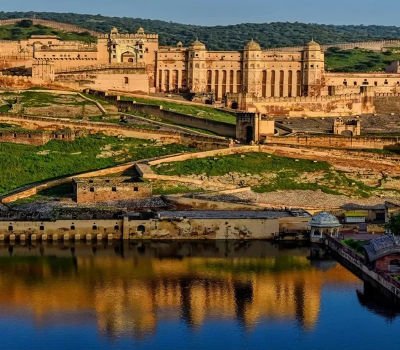
Amber Fort rises above Maota Lake and remains one of Rajasthan's most significant examples of Rajput architecture. The fort contains gateways, courtyards, palace sections, and defensive structures built across the surrounding hills. Walking through the complex reveals royal residences, ceremonial spaces, and architectural details that illustrate the importance of Amber before Jaipur became the capital of the Kachwaha rulers.
- Sheesh Mahal and Mirror Craftsmanship: Intricate mirror work, decorative ceilings, and carved interiors demonstrate the artistic skills that flourished within the royal courts of Amber. The detailed workmanship inside the palace remains one of the fort's most admired architectural features.
- Courtyards and Royal Spaces: Open courtyards, gateways, and interconnected palace sections reveal how administrative, ceremonial, and residential areas functioned within the fort. These spaces also reflect the planning and organization of the former royal capital.
- Views Across Maota Lake: The lake below the fort contributes to the historic landscape while providing scenic views from different sections of the complex. The surrounding hills further enhance the setting of Amber Fort.
Walking Through the City Palace Complex
The City Palace remains one of the most important royal landmarks within the walled city. Museums, ceremonial spaces, courtyards, and historic buildings preserve the administrative and cultural history of Jaipur. Architectural elements influenced by both Rajput and Mughal traditions appear throughout the complex.
- Pritam Niwas Chowk and Decorative Gates: Seasonal gateways decorated with traditional motifs remain among the most recognized sections of the palace. Their artistic designs continue to attract attention within the complex.
- Museum Collections and Royal Artifacts: Textiles, manuscripts, weapons, and ceremonial objects preserve important records related to the royal family and the historical development of Jaipur.
- Architectural Features Within the Palace: Balconies, courtyards, carved facades, and decorative elements reflect the design traditions associated with royal Jaipur and its architectural heritage.
Visiting Hawa Mahal
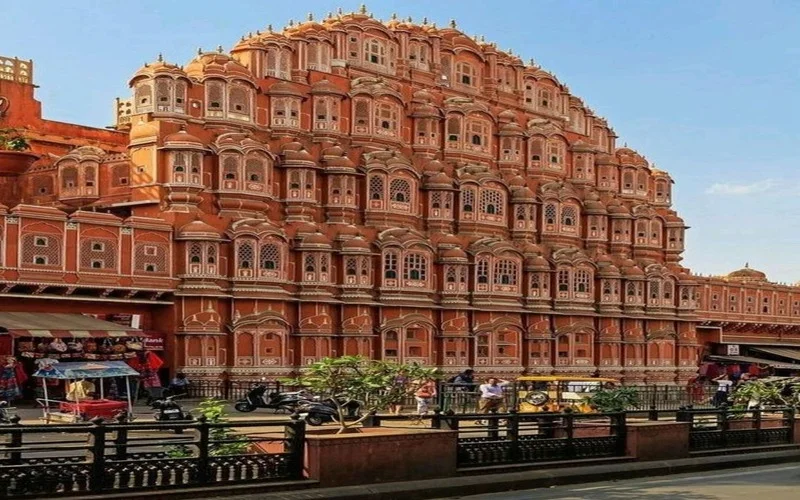
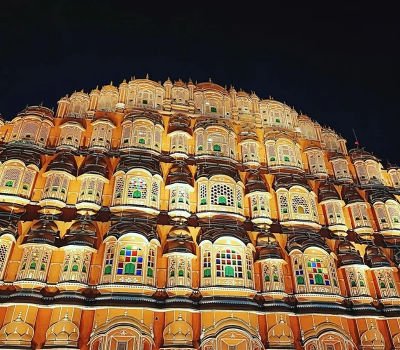
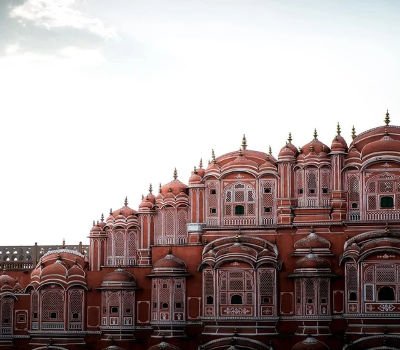
Hawa Mahal stands along the busy streets of the old city and has become one of Jaipur's most recognizable landmarks. The pink sandstone façade and rows of jharokha windows were designed to allow royal women to observe street activities while remaining within the palace. The monument continues to represent the architectural identity of Jaipur.
- The Honeycomb Façade: Hundreds of windows create the distinctive appearance that has become closely associated with the Pink City. The façade remains one of the most photographed structures in Jaipur.
- Views Above Historic Streets: The upper levels overlook the surrounding markets and traditional neighborhoods of the old city, providing a different perspective of the walled city.
- Architectural Identity of Jaipur: The monument reflects the design traditions, craftsmanship, and visual character that distinguish Jaipur from other historic cities.
Discovering Jantar Mantar
Jantar Mantar reflects the scientific interests of Maharaja Sawai Jai Singh II through a collection of astronomical instruments designed for observation and calculations. The observatory demonstrates how astronomy and mathematics were studied during the eighteenth century and remains an important scientific landmark within Jaipur.
- Samrat Yantra and Time Measurement: The giant sundial remains one of the largest astronomical instruments within the observatory and was designed to measure time with remarkable accuracy.
- Structures for Astronomical Observation: Different instruments were created to study celestial movements, planetary positions, and astronomical calculations that supported scientific observations.
- Scientific Legacy of Jaipur: The observatory remains one of Jaipur's most important scientific landmarks and reflects the interest of Maharaja Sawai Jai Singh II in astronomy and time calculation.
Watching the City from Nahargarh Fort
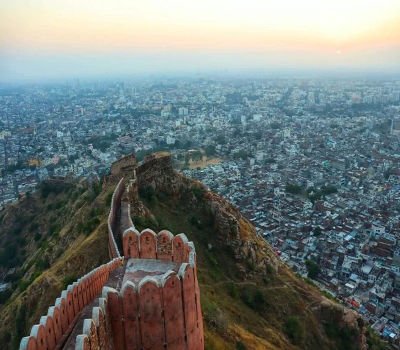
Nahargarh Fort stands along the Aravalli ridge above Jaipur and overlooks the old city, surrounding neighborhoods, and distant hills. The fort's open terraces, historic structures, and elevated location make it one of the most visited viewpoints in Jaipur. The changing skyline and wide views across the city create a different experience from the streets below.
- Sunset Views Across Jaipur: As daylight gradually fades, the city lights begin to appear below while the surrounding hills change color during sunset. The evening atmosphere and panoramic views make Nahargarh particularly popular during the later hours of the day.
- Rocky Hills and the Aravalli Ridge: Natural ridges, rocky slopes, and the surrounding landscape remain visible from several sections of the fort. These hills form the natural setting around Jaipur and contribute to the scenery visible from Nahargarh.
- Courtyards, Gateways, and Fort Walls: Palace rooms, gateways, defensive walls, and open courtyards reflect the architectural character of Nahargarh and its historical importance within Jaipur.
Exploring Jaipur's Historic Bazaars
The traditional markets within the walled city continue to support traders, craftsmen, and family businesses that have operated for generations. Jewelry, textiles, handicrafts, and local products remain closely associated with these historic commercial streets, where everyday trade continues alongside traditional craftsmanship.
- Johari Bazaar and Gemstone Markets: Gemstones, silver jewelry, kundan work, and traditional ornaments have long been associated with this market. Historic shops and family businesses continue the city's association with jewelry craftsmanship.
- Tripolia Bazaar and Traditional Craftsmanship: Lac bangles, brass products, metalwork, and handcrafted items reflect the skills of local artisans working within the market and nearby workshops.
- Bapu Bazaar and Textile Shopping: Printed fabrics, leather products, handicrafts, and traditional textiles make this market one of Jaipur's busiest shopping areas and an important center for local products.
Experiencing Traditional Rajasthani Cultural Evenings
Music, dance, storytelling, and regional cuisine introduce artistic traditions associated with Rajasthan. Cultural programs combine local performances with traditional food and folk entertainment, allowing performing arts to remain part of the cultural life of the region.
- Folk Music and Regional Instruments: Sarangi, dholak, and traditional instruments accompany performances rooted in Rajasthan's musical traditions and local communities.
- Kalbelia and Folk Dance Performances: Colorful costumes, rhythmic movements, and storytelling performances continue to make these dance traditions widely recognized across Rajasthan.
- Regional Cuisine During Cultural Programs: Traditional meals served alongside performances introduce local dishes and culinary traditions associated with the region.
Hot Air Balloon Experiences Around Jaipur
Hot air balloon rides reveal Jaipur, nearby villages, agricultural fields, and the surrounding countryside from above. Morning flights provide wide views across the region and present a perspective that differs from the streets and monuments within the city.
- Views of Villages and Open Countryside: Agricultural land, rural settlements, and open landscapes become visible during the flight, creating scenery beyond the urban areas of Jaipur.
- Morning Flights Above Jaipur: Early departures generally provide clear visibility across the surrounding countryside and nearby hills.
- The Aravalli Hills from Above: The ridges and hills surrounding Jaipur become more prominent from the air and demonstrate the landscape that frames the city.
Places That Shape the Identity of Jaipur
The landmarks of Jaipur reflect different aspects of the city's character, from royal residences and hill forts to observatories, lakeside monuments, temples, and museums. Some places introduce the history of the Kachwaha rulers, while others highlight scientific achievements, religious traditions, or everyday life within the old city. Together, these landmarks help explain why Jaipur developed as one of Rajasthan's most important royal capitals. Their locations, surroundings, and experiences continue to influence how the Pink City is explored today.
Amber Fort
Amber Fort is one of Jaipur’s most prominent heritage attractions, known for its grand Rajput architecture, royal history, and hilltop location overlooking the surrounding landscape. Built by the Kachwaha rulers, the fort complex showcases impressive gateways, courtyards, palace sections, and artistic interiors that reflect the craftsmanship and lifestyle of Rajasthan’s royal era. Its combination of history, architecture, and scenic surroundings makes it an important part of Jaipur sightseeing.
- Architecture, Interiors and Scenic Views – Amber Fort showcases grand courtyards, carved pillars, royal chambers, and Sheesh Mahal’s intricate mirror work that reflect the artistic excellence of Rajput architecture. The fort’s elevated sections also provide views of Maota Lake, Aravalli Hills, and the historic surroundings of Amber.
- Entry Ticket Price – The entry ticket for Amber Fort is approximately ₹200 for Indian visitors and ₹1000 for foreign visitors. Additional charges may apply for camera access and other facilities.
- Opening Hours – Amber Fort generally remains open from 8:00 AM to 5:30 PM, allowing enough time to explore its palaces, courtyards, and architectural sections.
- Sound and Light Show – The evening sound and light show presents the history and royal legacy of Amber through narration, music, and lighting effects, offering a different way to experience the fort.
Hawa Mahal
Hawa Mahal is one of Jaipur’s most iconic architectural landmarks, located in the heart of the old city. Built with pink sandstone, the palace is known for its unique honeycomb façade and numerous jharokha windows designed to allow airflow while providing views of the city streets. Its connection with Jaipur’s royal history and nearby traditional markets makes it an important attraction for understanding the character of the Pink City.
- Architecture and Jharokha Design – The five-storey façade features hundreds of small windows, intricate lattice work, and detailed sandstone carvings that showcase the artistic skills of Rajput architecture.
- Royal Historical Significance – Built by Maharaja Sawai Pratap Singh, Hawa Mahal was designed for royal women to observe street activities while maintaining privacy.
- Old City Location – Situated near Johari Bazaar and other traditional markets, the monument can be explored along with Jaipur’s historic streets and shopping areas.
- Entry Ticket Price – The entry fee for Hawa Mahal is approximately ₹100 for Indian visitors and ₹600 for foreign visitors. Additional charges may apply for camera access and other facilities.
- Opening Hours – Hawa Mahal generally remains open from 9:00 AM to 5:00 PM, allowing visitors to explore the interiors and viewpoints comfortably.
City Palace
City Palace is one of Jaipur’s most significant royal complexes, reflecting the history, traditions, and architectural style of the former Kachwaha rulers. Located within the walled city, the palace includes courtyards, museums, galleries, and ceremonial areas that showcase royal collections and artistic details. Its combination of heritage architecture, royal artefacts, and preserved palace spaces makes it an important attraction for understanding Jaipur’s royal legacy.
- Pritam Niwas Chowk and Decorative Gateways – The four beautifully designed gateways at Pritam Niwas Chowk represent different seasons and showcase detailed artwork, colours, and traditional Rajput design elements.
- Museum Galleries and Royal Collections – The palace museums display royal costumes, textiles, manuscripts, weapons, paintings, and other collections connected with Jaipur’s royal family and history.
- Architecture and Palace Courtyards – Grand courtyards, carved pillars, decorated halls, and traditional architectural details highlight the artistic excellence of the royal complex.
- Entry Ticket Price – The entry fee for City Palace varies according to the selected sections and visitor category. General museum entry is approximately ₹500 for Indian visitors and ₹1000 for foreign visitors, while premium sections and special areas have separate charges.
- Opening Hours – City Palace generally remains open from 9:30 AM to 5:00 PM, allowing enough time to explore museums, courtyards, and palace sections.
Jantar Mantar
Jantar Mantar is one of Jaipur’s most important scientific heritage sites, showcasing the astronomical knowledge and vision of Maharaja Sawai Jai Singh II. Located near City Palace, the observatory features large-scale instruments created to study time, celestial movements, and planetary positions. Its unique structures represent the combination of science, architecture, and precision that existed during the eighteenth century, making it an important attraction for understanding Jaipur’s intellectual heritage.
- Samrat Yantra and Time Measurement – The Samrat Yantra is the world’s largest stone sundial and remains the most prominent instrument at the observatory, designed to measure time accurately through the movement of the sun.
- Astronomical Instruments and Observation Areas – The observatory includes several instruments built for studying celestial bodies, calculating planetary positions, and understanding astronomical movements.
- Scientific Architecture – The geometric structures and precise designs of Jantar Mantar reflect the advanced scientific methods used during the era of Maharaja Sawai Jai Singh II.
-
Entry Ticket Price – The entry fee for Jantar Mantar is approximately ₹100 for Indian visitors and ₹600 for foreign visitors. Additional charges may apply for camera access and other facilities.
- Opening Hours – Jantar Mantar generally remains open from 9:00 AM to 5:00 PM, allowing enough time to explore the instruments and understand their functions.
Nahargarh Fort
Nahargarh Fort is located on the Aravalli hills and offers a different perspective of Jaipur through its elevated location, open terraces, and panoramic surroundings. Built as part of Jaipur’s defence system, the fort is now known for its historic structures, hilltop setting, and views of the Pink City. The combination of royal history, scenic landscapes, and peaceful surroundings makes it an important attraction to explore during a Jaipur visit.
- Sunset Views Over the Pink City – The fort terraces provide wide views of Jaipur’s old city, modern areas, and surrounding hills, especially during evening hours when the changing light creates a beautiful cityscape.
- Aravalli Hill Drive – The route towards Nahargarh Fort passes through the Aravalli landscape, offering views of rocky terrain, natural surroundings, and the elevated setting of the fort.
- Madhavendra Bhawan and Palace Sections – The fort complex includes royal residences, interconnected rooms, corridors, and architectural details that reflect the lifestyle of Jaipur’s former rulers.
- Entry Ticket Price – The entry fee for Nahargarh Fort is approximately ₹100 for Indian visitors and ₹600 for foreign visitors. Additional charges may apply for camera access and other facilities.
- Opening Hours – Nahargarh Fort generally remains open from 10:00 AM to 5:30 PM, allowing enough time to explore the palace sections, viewpoints, and surrounding areas.
Jaigarh Fort
Jaigarh Fort is located on the Aravalli hills above Amber Fort and was built as a strong defensive structure to protect the former capital of Jaipur. Known for its massive walls, watchtowers, military architecture, and strategic location, the fort reflects the engineering and planning of the Rajput era. Its elevated position also offers views of Amber Fort, Maota Lake, and the surrounding valleys, adding to its historical and scenic importance.
- Jaivana Cannon and Military History – The Jaivana Cannon is one of the fort’s most notable attractions and represents the advanced engineering skills and military strength of the period.
- Fort Walls and Defensive Structure – The extensive walls, watchtowers, gateways, and military sections showcase the strategic planning used to protect the former capital.
- Views Towards Amber Fort – The fort’s viewpoints overlook Amber Fort, Maota Lake, and the Aravalli landscape, offering a clear view of the historic surroundings.
- Underground Passages and Connections – The historical connection between Jaigarh and Amber Fort reflects their combined role in the defence system of the region.
- Entry Ticket Price – The entry fee for Jaigarh Fort is approximately ₹200 for Indian visitors and ₹700 for foreign visitors. Additional charges may apply for camera access and other facilities.
- Opening Hours – Jaigarh Fort generally remains open from 9:00 AM to 5:00 PM, allowing enough time to explore the large fort complex.
Jal Mahal
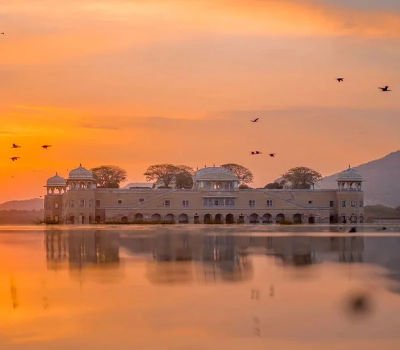
Jal Mahal is one of Jaipur’s most recognizable landmarks, located in the middle of Man Sagar Lake against the backdrop of the Aravalli hills. The palace is known for its unique water setting, Rajput architecture, and scenic surroundings. Although entry inside the structure is restricted, the lakeside viewpoints offer an opportunity to admire its design, peaceful atmosphere, and the landscape that makes it a popular stop during Jaipur sightseeing.
- Views Across Man Sagar Lake – The palace surrounded by water creates a distinctive view, with the reflection of the structure and the Aravalli hills adding to the beauty of the landscape.
- Sunrise and Sunset Reflections – Early morning and evening hours offer changing views as sunlight falls across the lake, creating different moods around the palace and its surroundings.
- Lakefront Viewing Areas – The roadside viewpoints near the lake provide clear views of Jal Mahal and are commonly used to admire the architecture from outside.
- Winter Bird Activity Around the Lake – During cooler months, Man Sagar Lake attracts migratory birds, adding a natural element to the heritage setting.
- Entry Information – Entry inside Jal Mahal is restricted, and the palace is generally viewed from the lakeside areas.
- Best Time to Visit – Morning and evening hours are suitable for visiting Jal Mahal when the weather is comfortable and the surroundings appear more scenic.
Albert Hall Museum
Albert Hall Museum is one of Jaipur’s most important cultural attractions and the oldest museum in Rajasthan. Located inside Ram Niwas Garden, the museum showcases paintings, sculptures, textiles, decorative objects, and historical artefacts from different periods. The Indo-Saracenic architecture, detailed galleries, and illuminated exterior make it a significant heritage attraction reflecting Jaipur’s artistic traditions and cultural legacy.
- Art Collections and Historical Artefacts – The museum galleries display paintings, sculptures, weapons, textiles, carpets, decorative items, and other collections that represent Rajasthan’s artistic heritage and historical influences.
- Indo-Saracenic Architecture – The building features grand domes, arches, ornamental facades, and detailed design elements that showcase the unique architectural style of Albert Hall Museum.
- Ram Niwas Garden Location – Situated inside Ram Niwas Garden, the museum offers a heritage setting surrounded by open spaces and other attractions in central Jaipur.
- Evening Illumination – The exterior lighting after sunset highlights the museum’s architectural details and creates a different view of the historic building.
- Entry Ticket Price – The entry fee for Albert Hall Museum is approximately ₹100 for Indian visitors and ₹600 for foreign visitors. Night visit and composite ticket charges may have separate pricing.
- Opening Hours – Albert Hall Museum generally remains open from 9:00 AM to 5:00 PM, with separate evening hours available for viewing the illuminated exterior.
Birla Mandir
Birla Mandir stands below Moti Dungri Hill and remains one of Jaipur's well-known religious landmarks. Built entirely from white marble, the temple introduces a quieter side of the city away from the forts and palace complexes. The carved interiors, prayer halls, and evening atmosphere attract both worshippers and those interested in the architectural details of the temple. Its central location also allows the temple to be included easily within local sightseeing routes.
- Evening Aarti and Temple Prayers: The atmosphere changes during the evening prayer ceremonies when lamps and devotional chants become part of the experience.
- Views Towards Moti Dungri Hill: The nearby hill and historic fort create a recognizable setting around the temple complex.
- Early Morning and Evening Visits: These hours generally provide a quieter environment for darshan and temple visits.
- Nearby Attractions Around the Temple: Moti Dungri, Albert Hall Museum, and Ram Niwas Garden can be explored during the same outing.
Patrika Gate
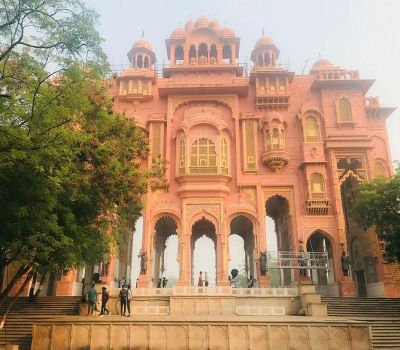
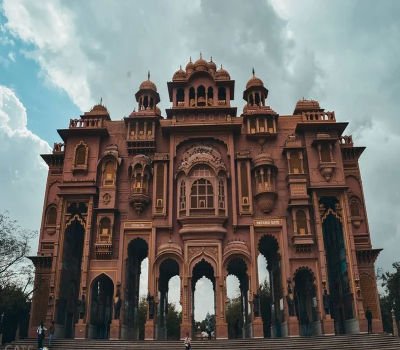
Patrika Gate is one of Jaipur’s most recognizable modern attractions, known for its colourful corridors, detailed artwork, and architectural design inspired by Rajasthan’s cultural heritage. Located near Jawahar Circle, the gate showcases the state’s traditions through paintings depicting forts, festivals, folk customs, and regional elements. The combination of artistic interiors, open surroundings, and unique design makes it a popular stop during Jaipur sightseeing.
- Hand-Painted Corridors and Artwork – The interiors of Patrika Gate feature colourful paintings, decorative patterns, and detailed artwork inspired by Rajasthan’s forts, festivals, traditions, and cultural heritage.
- Rajasthan-Themed Artwork – The painted pillars, ceilings, and walls represent different regions of Rajasthan through folk traditions, historic places, local celebrations, and artistic elements associated with the state.
- Architectural Design and Colourful Interiors – The structure combines traditional Rajasthani design elements with vibrant colours, creating a distinctive visual identity that reflects the artistic style of the region.
- Jawahar Circle Location – Located near Jawahar Circle, Patrika Gate can be explored along with the surrounding garden area and nearby attractions during Jaipur city sightseeing.
- Entry Information – Entry to Patrika Gate is generally free, making it a convenient attraction to include during a Jaipur sightseeing route.
- Opening Hours – Patrika Gate remains accessible throughout the day, while morning and evening hours are preferred for a comfortable visit.
Choosing the Right Season for Your Jaipur Journey
The best time to visit Jaipur depends on the type of experiences you want to include during your holiday. Weather conditions influence sightseeing schedules, outdoor activities, heritage exploration, and cultural experiences throughout the year. The cooler months provide comfortable conditions for exploring forts, palaces, and traditional markets, while summer and monsoon bring seasonal changes that create a different perspective of the Pink City. Understanding Jaipur’s weather patterns helps you plan your journey according to preferred attractions, outdoor activities, festival experiences, and the overall pace of your holiday.
Winter Months from October to March
Winter is considered the ideal season to explore Jaipur due to pleasant weather and comfortable sightseeing conditions. This period allows you to spend more time at Amber Fort, City Palace, Hawa Mahal, Jantar Mantar, Nahargarh Fort, and the historic markets of the old city. The cooler climate is suitable for heritage walks, photography, outdoor dining, shopping, and exploring Jaipur’s cultural attractions. Jaipur Tour Packages during this season can include major sightseeing attractions, cultural experiences, and outdoor activities planned around comfortable weather conditions.
- Temperature – 10°C to 25°C with comfortable daytime weather, cooler evenings, and favourable conditions for exploring forts, palaces, markets, and outdoor attractions.
- Heritage Exploration – Ideal for visiting Amber Fort, City Palace, Hawa Mahal, Jantar Mantar, Nahargarh Fort, and historic neighbourhoods with comfortable sightseeing conditions.
- Cultural Experiences – Enjoy local festivals, traditional performances, heritage events, decorated markets, and cultural programs that showcase Jaipur’s traditions and craftsmanship.
- Outdoor Activities – Perfect for photography, heritage walks, shopping, viewpoint visits, and exploring nearby attractions without weather-related discomfort.
- Recommendation – Highly recommended for families, couples, heritage explorers, and visitors planning a complete Jaipur holiday with comfortable sightseeing conditions.
Summer Travel Between April and June
Summer brings high temperatures to Jaipur, making long outdoor sightseeing sessions challenging during the daytime. Forts, markets, and open attractions are better explored during early mornings and evenings when temperatures are lower. Indoor attractions such as museums, palace interiors, and cultural venues provide more comfortable options during warmer hours. The season requires flexible planning with shorter sightseeing schedules and suitable breaks.
- Temperature – 30°C to 40°C with intense afternoon heat, dry conditions, and uncomfortable weather for extended outdoor exploration.
- Sightseeing Experience – Early morning and evening visits are more suitable for exploring Amber Fort, Nahargarh Fort, Hawa Mahal, markets, and outdoor attractions.
- Travel Planning – Flexible itineraries with planned breaks, shorter sightseeing sessions, and comfortable indoor experiences help manage the summer heat.
- Local Experiences – Evening markets, traditional cuisine, cultural shows, museums, and indoor attractions offer better experiences during warmer months.
- Recommendation – Not recommended for travellers planning extensive outdoor sightseeing, heritage walks, and long hours at open attractions due to high temperatures. Suitable only for short visits with flexible schedules focused on limited sightseeing and evening activities.
Monsoon Experiences from July to September
Monsoon brings seasonal changes to Jaipur and its surrounding landscapes, creating a refreshing atmosphere across the city. The Aravalli hills around Nahargarh and Jaigarh become greener, while Jal Mahal and Man Sagar Lake offer different views under cloudy skies. Occasional rainfall adds a seasonal charm to viewpoints, gardens, and heritage locations. This period is suitable for exploring Jaipur at a relaxed pace while experiencing a quieter side of the Pink City.
- Temperature – 25°C to 35°C with occasional rainfall, cooler conditions after showers, and changing weather patterns throughout the season.
- Scenic Landscapes – Green hills, refreshed lakes, cloudy skies, and seasonal greenery create attractive views around Jaipur and its surrounding areas.
- Heritage Sightseeing – Forts, palaces, museums, markets, and historic areas remain accessible while offering a different seasonal atmosphere.
- Local Experiences – Enjoy traditional cuisine, shopping, cultural attractions, and relaxed exploration during suitable weather conditions.
- Recommendation – Suitable for travellers looking for peaceful exploration, seasonal landscapes, and a slower sightseeing experience; not recommended for those focused mainly on uninterrupted outdoor activities.
Festival Season in Jaipur
Festival periods bring Jaipur’s traditions, celebrations, and cultural identity into focus through decorated markets, processions, and local events. Teej celebrations add colour to the old city with traditional activities, while Diwali transforms markets and commercial areas with lights and decorations. Winter cultural programs and heritage events create additional opportunities to experience local customs, traditional performances, cuisine, and the festive atmosphere of Jaipur alongside its historic attractions.
- Festival Experiences – Explore traditional celebrations, cultural performances, decorated markets, and local events that showcase Jaipur’s heritage and customs.
- Best Months – October to March offers a favourable combination of pleasant weather and seasonal celebrations across the city.
- Cultural Exploration – Experience local traditions, artisan markets, regional cuisine, and historic areas during festive occasions.
- Recommendation – Recommended for travellers interested in cultural experiences, local celebrations, and combining sightseeing with Jaipur’s traditional events.
Experiencing Jaipur Together as a Family
Jaipur combines royal landmarks, cultural activities, open spaces, and short travel distances that help families explore the city without rushing between attractions. Historical sites, local performances, markets, and nearby excursions can be planned comfortably across two or three days. Different sightseeing options for children, parents, and senior members make the city practical for multi-generational holidays. These experiences are commonly included across different Jaipur family tour package itineraries, allowing families to explore the city at a relaxed pace.
Forts and Museums for Children
The large courtyards of Amber Fort, giant instruments at Jantar Mantar, and galleries inside Albert Hall Museum often attract younger members because of their scale and visual appeal. Decorative gateways at City Palace, historical objects, and museum displays introduce Jaipur's royal history through exhibits and architecture rather than lengthy explanations.
Interactive Cultural Experiences
Puppet performances, folk music programs, traditional dances, and local craft demonstrations introduce Rajasthan's cultural traditions beyond historical monuments. Chokhi Dhani and seasonal cultural programs allow families to experience regional food, music, and performances together. These activities create a different side of Jaipur beyond forts and palaces.
Family-Friendly Sightseeing Routes
Several attractions are located within short driving distances, making daily sightseeing easier. Hawa Mahal, City Palace, and Jantar Mantar can be explored within the old city, while Amber Fort, Jal Mahal, and Jaigarh Fort are often covered on the same route. This helps maintain a comfortable pace throughout the day.
Day Excursions Around Jaipur
Samode introduces heritage architecture and rural surroundings, while Abhaneri is known for Chand Baori and historical temples. These short journeys provide a change from the city landscape and can be included during longer stays in Jaipur. The surrounding countryside also offers a quieter atmosphere compared to the busy streets of the old city.
The Royal Charm of Jaipur for Couples
Jaipur takes on a different character after the daytime crowds begin to fade. Illuminated palaces, rooftop restaurants, heritage hotels, and hilltop viewpoints create settings suited to anniversaries, celebrations, and time spent together. Evening drives through the city, traditional hospitality, and historic surroundings introduce a quieter side of Jaipur beyond regular sightseeing. Beyond the forts and palaces, a Jaipur couple tour package also brings together sunset viewpoints, heritage stays, and rooftop dining within the city's royal surroundings.
Sunset Views from Nahargarh Fort
Nahargarh Fort remains one of Jaipur's most visited evening locations because of its elevated position above the city. The road through the Aravalli hills, open viewpoints, and the illuminated skyline below make the fort especially attractive after sunset. Winter evenings usually provide clearer views, while the city lights gradually spread across the landscape below.
Heritage Palace Stays
Heritage hotels and former havelis preserve courtyards, gardens, traditional interiors, and architectural details associated with Jaipur's royal past. Staying within these properties introduces historic surroundings that differ from modern accommodations. Courtyards, decorative rooms, and heritage architecture add a distinct character to the stay.
Cultural Evenings and Traditional Performances
Folk music, traditional dance performances, and cultural programs introduce Rajasthan's artistic traditions in a more intimate setting. Venues such as Chokhi Dhani and cultural evenings within heritage properties allow couples to experience local music, cuisine, and performances after a day of sightseeing.
Exploring Jaipur with Friends and Groups
Jaipur offers enough variety for friends travelling together, from hill forts and old markets to evening viewpoints and local food streets. Sightseeing during the day, rooftop dining after sunset, and cultural programs in the evening keep the schedule active without requiring long drives between attractions. The combination of historical landmarks, local markets, and social spaces gives groups multiple ways to spend time together across the city.
Exploring Forts and Landmarks Together
Amber Fort, City Palace, Jantar Mantar, and Nahargarh Fort provide large open spaces, viewpoints, and historical attractions that can be explored comfortably in groups. Palace courtyards, fort walls, and museum galleries allow groups to move through the attractions together while exploring different sections at their own pace. The large courtyards, viewpoints, and open areas within these landmarks make them suitable for group sightseeing.
Cultural Evenings and Folk Performances
Folk music, puppet shows, traditional dance programs, and cultural performances introduce Rajasthan's artistic traditions after sunset. Places such as Chokhi Dhani and cultural venues across the city combine local cuisine, music, and performances within a single evening.
Hot Air Balloon and Adventure Activities
Hot air balloon rides and outdoor activities around Jaipur introduce a different side of the city. Early morning balloon flights reveal surrounding villages, forts, and the Aravalli landscape from above. Adventure activities around the city also provide additional options for groups spending multiple days in Jaipur.
Royal Stays and Luxury Experiences In Jaipur
Jaipur's royal heritage extends beyond its forts and palaces through heritage hotels, private arrangements, fine dining venues, and cultural programs held inside historic properties. Former residences of noble families, restored havelis, and palace hotels continue to preserve carved courtyards, frescoes, gardens, and traditional architecture. The city's luxury side is closely connected with these heritage spaces, where historical surroundings remain part of the stay rather than separate sightseeing attractions.
Staying in Palace Hotels and Heritage Properties
Several former palaces, havelis, and royal residences in Jaipur now operate as heritage hotels while preserving courtyards, frescoes, gardens, and traditional architecture. Decorative interiors, period furniture, and old residential sections reflect the city's royal past. Properties around Civil Lines, the old city, and heritage areas continue to maintain architectural details that differ from modern hotels.
Fine Dining in Royal Settings
Several heritage hotels and restored properties serve traditional cuisine within courtyards, gardens, and palace-inspired dining spaces. Rooftop restaurants overlooking the old city, candlelit dinners, and traditional Rajasthani dishes remain closely associated with Jaipur's luxury dining scene. Historic surroundings and regional cuisine continue to define these dining experiences.
Luxury Shopping Across Jaipur
Jaipur has long been associated with gemstones, handcrafted jewelry, block-printed textiles, blue pottery, and traditional crafts. Stores around Johari Bazaar, C-Scheme, and premium shopping areas introduce both traditional craftsmanship and contemporary collections. Jewelry workshops, textile studios, and designer boutiques remain important parts of the city's shopping culture.
Cultural Evenings and Exclusive Performances
Private folk performances, traditional music programs, and cultural evenings inside heritage properties introduce Rajasthan's artistic traditions in smaller settings. Local musicians, dance performances, and regional cuisine are often presented together within palace hotels and heritage venues, allowing guests to experience local culture away from larger public events.
Heritage Experiences Beyond the Palaces
Restored havelis, lesser-known historical buildings, private courtyards, and old residential areas reveal another side of Jaipur beyond the major monuments. These places highlight architectural details, neighborhood history, and traditional urban design while presenting a quieter view of the city's royal heritage.
Choosing the Right Stay in Jaipur
The area chosen for accommodation can influence travel time, evening plans, market access, and the overall pace of exploring Jaipur. Heritage neighborhoods, commercial districts, and modern residential areas each offer different surroundings. Palace hotels, restored havelis, business properties, and budget accommodations are spread across various parts of the city, making the choice of location as important as the hotel itself.
Heritage Hotels and Palace Stays
Former havelis, noble residences, and heritage properties preserve courtyards, frescoes, jharokhas, and traditional architecture associated with Jaipur's royal past. Areas around the old city and heritage districts contain several properties where carved balconies, internal courtyards, and period interiors remain part of the stay. These buildings introduce architectural details that cannot be experienced inside modern hotels.
Luxury Hotels and Premium Properties
Civil Lines and surrounding areas contain several premium hotels known for larger spaces, landscaped grounds, and modern facilities. Many luxury properties combine contemporary comforts with architectural influences inspired by Rajasthan's palaces. Wider roads, quieter surroundings, and easier access to different parts of the city make these areas popular for longer stays.
Boutique Hotels and Modern Stays
Boutique properties across Bani Park and residential neighborhoods combine modern rooms with local design elements. Smaller hotels often focus on personalized hospitality and quieter surroundings away from busy commercial areas. Their location also allows convenient access to both the old city and newer parts of Jaipur.
Reaching Jaipur Through Convenient Travel Options
Jaipur is easily accessible through multiple transportation options, making it convenient to plan a journey from different parts of India. The city’s strong air, rail, and road connectivity allows you to choose a travel mode based on your preferred schedule, budget, and comfort requirements. Whether you are visiting Jaipur for a short holiday, a Rajasthan circuit, or a longer exploration of the region, convenient travel routes connect the Pink City with major destinations while providing smooth access to its forts, palaces, markets, and cultural attractions.
Reaching Jaipur by Flight
Jaipur International Airport provides air connectivity with major Indian cities, making flights a suitable option for travellers looking for faster travel. Regular connections are available from cities such as Delhi, Mumbai, Bangalore, and Hyderabad. Located around 12 km from the city centre, the airport offers easy access to hotels, heritage areas, and sightseeing locations through taxis, cabs, and private transfers.
Reaching Jaipur by Train
Jaipur Junction connects the city with several destinations across India through regular train services. Rail connectivity from Delhi, Mumbai, Ahmedabad, Kolkata, Jodhpur, Udaipur, and other cities makes train travel a convenient option for different types of journeys. The railway station is located within the city, allowing easy transfers to hotels, markets, and major attractions.
Reaching Jaipur by Road
Jaipur has well-developed road connectivity with Rajasthan and neighbouring states through national highways and major routes. Private taxis, buses, and self-drive options are available from cities such as Delhi, Agra, Ajmer, Udaipur, Jodhpur, and Pushkar. Road journeys also provide opportunities to experience changing landscapes, countryside views, and nearby destinations along the way.
Living Traditions of Jaipur
Jaipur's cultural identity is not limited to its forts and palaces. Music performances, textile workshops, gemstone cutting, block printing, and traditional crafts continue to remain active across different parts of the city. Artisan families, local workshops, and old market areas still preserve skills that have been practiced for generations. These traditions can be seen inside workshop lanes, cultural venues, and family businesses where craftsmanship continues to remain part of daily life.
Folk Music and Traditional Performances
Folk music and dance remain visible during cultural evenings, festivals, and performances held across Jaipur. Kalbeliya dancers, Ghoomar performances, and traditional musicians using instruments such as the sarangi and dholak continue to represent Rajasthan's performing arts. Heritage venues, cultural programs, and local events regularly feature these traditions.
Artisan Workshops and Handcrafted Traditions
Several artisan families in Jaipur continue to produce blue pottery, lac bangles, marble work, and handcrafted products using traditional methods. Small workshops in different parts of the city still rely on manual techniques, hand tools, and family knowledge passed through generations. These workshops reveal how traditional craftsmanship continues alongside modern businesses.
Block Printing and Textile Craftsmanship
Hand block printing remains closely associated with Jaipur's textile identity. Wooden blocks, natural dyes, and traditional printing methods continue to be used in workshops connected with Sanganer and Bagru. Printed fabrics, home textiles, and garments produced through these techniques remain an important part of the local textile industry.
Gemstone and Jewellery Heritage
Jaipur has developed as one of India's major centers for gemstone cutting and jewelry craftsmanship. Johari Bazaar and nearby workshops continue to support artisans working with gemstones, silver, and traditional jewelry designs. Generations of family businesses remain connected with the city's jewelry trade and craftsmanship.
Art, Crafts, and Cultural Spaces
Art galleries, cultural centers, museums, and heritage venues display miniature paintings, handcrafted products, and regional artwork associated with Rajasthan. These spaces continue to support artists, craftsmen, and cultural activities while introducing different aspects of Jaipur's artistic traditions.
The Flavors That Define Jaipur
Food in Jaipur moves from morning kachoris in the old city to traditional thalis, milk-based sweets, and evening snacks served across local markets. Many dishes that originated in Rajasthan continue to remain part of daily meals, festive celebrations, and family kitchens. Sweet shops, snack counters, and traditional restaurants spread across the city preserve these recipes through local ingredients and long-established cooking methods. Exploring Jaipur through its food introduces tastes and traditions that have remained connected with the city for generations.
- Dal Baati Churma and Traditional Rajasthani Thalis: Dal Baati Churma continues to appear on traditional menus throughout Jaipur alongside Gatte Ki Sabzi, Ker Sangri, Panchmel Dal, and Bajra-based preparations. These dishes reflect the food traditions of Rajasthan and remain common in traditional restaurants.
- Pyaaz Kachori and Morning Breakfast Culture: Freshly prepared Pyaaz Kachori, mirchi vada, and samosa are widely eaten during the morning hours. Small food shops and old establishments across the city continue to serve these snacks alongside tea.
- Ghewar, Feeni, and Festival Sweets: Ghewar remains closely associated with Teej celebrations, while Feeni and Mawa Kachori continue to appear during festivals and special occasions. Traditional sweet shops preserve these recipes throughout the year.
- Lassi, Kulhad Chai, and Local Beverages: Thick lassi, masala chai, and milk-based drinks continue to remain part of Jaipur's food culture. Kulhad chai served in clay cups is still available in several market areas and roadside tea shops.
- Johari Bazaar and the Food Streets of the Old City: The lanes surrounding Johari Bazaar and nearby markets contain snack shops, sweet stores, and local eateries that continue to serve traditional dishes throughout the day.
- Seasonal Foods During Festivals: Teej, Diwali, and other celebrations bring seasonal sweets and festive preparations that remain connected with local traditions and family gatherings.
- Royal Recipes and Heritage Dining: Several heritage restaurants continue to prepare dishes inspired by Rajasthan's royal kitchens, introducing recipes that have been associated with palace dining traditions.
Markets That Define Jaipur's Shopping Culture
Jaipur's markets continue to shape the city's commercial identity through jewelry, textiles, handicrafts, pottery, and traditional products. The old market streets inside the walled city still follow trading patterns that developed generations ago. Narrow lanes, historic shopfronts, artisan workshops, and family businesses remain part of these bazaars. Exploring these markets introduces not only local products but also the business traditions that have long been associated with Jaipur.
- Johari Bazaar and the City's Jewellery Trade: Johari Bazaar has been associated with gemstones, Kundan work, silver ornaments, and traditional jewelry for decades. The market's narrow lanes contain jewelry stores, gemstone traders, and family businesses connected with Jaipur's jewelry industry.
- Bapu Bazaar and Everyday Shopping Streets: Bapu Bazaar is known for printed fabrics, mojaris, handbags, and traditional Rajasthani products. The continuous movement of local shops, textile stores, and roadside vendors gives this market its distinctive character.
- Tripolia Bazaar and Traditional Craft Products: Lac bangles, brass items, decorative products, and household goods continue to define Tripolia Bazaar. Small shops and traditional traders still operate along the market streets.
- Chandpole Market and Artisan Workshops: Chandpole remains connected with marble carving, wooden handicrafts, and decorative products. Several workshops and local businesses continue to produce handmade items within this area.
- Block-Printed Fabrics from Jaipur's Textile Tradition: Sanganeri and Bagru printing techniques continue to influence Jaipur's textile markets. Printed cotton fabrics, garments, and home furnishings remain closely linked with the city's textile identity.
- Blue Pottery and Handmade Decorative Items: Jaipur's blue pottery workshops produce decorative tiles, plates, bowls, and ceramic products using traditional methods. These handcrafted items continue to represent one of the city's most recognizable art forms.
- Markets Around the Walled City: The streets surrounding the old city contain spice shops, handicraft stores, sweet shops, textile businesses, and traditional traders. These markets continue to remain active throughout the day and preserve the commercial character of historic Jaipur.
Things to Know Before Visiting Jaipur
Jaipur's forts, market streets, and heritage areas are spread across different parts of the city, which makes planning the day important. Morning hours are usually preferred for hill forts, while the old city and markets become more active after sunset. Seasonal weather, local customs, and traffic around major attractions can also influence sightseeing schedules. Understanding these practical aspects before arriving in Jaipur helps make the journey more comfortable and allows better use of time within the city.
- Start Amber Fort and Nahargarh Visits Early: The roads leading to Amber Fort and Nahargarh Fort become busier as the day progresses, especially during winter weekends and holiday periods. Morning visits usually provide cooler weather and better conditions for exploring the fort complexes.
- Keep the Old City for the Evening: Johari Bazaar, Bapu Bazaar, and nearby market streets become more active after sunset. Local food stalls, sweet shops, and shopping areas remain busy during the evening hours.
- Allow Extra Time Around the Walled City: Narrow roads, market traffic, and pedestrian movement around Hawa Mahal, City Palace, and Johari Bazaar can increase travel time. Exploring these attractions on foot is often easier.
- Carry Comfortable Footwear for Fort Visits: Amber Fort, Jaigarh Fort, and Nahargarh Fort include stone pathways, slopes, and staircases that require extended walking.
- Plan Nearby Attractions Together: Amber Fort, Jaigarh Fort, and Nahargarh Fort are generally covered on the same route, while Hawa Mahal, Jantar Mantar, and City Palace are located close to each other inside the old city.
- Prepare for Summer Heat: Afternoon temperatures between April and June can become extremely high. Morning sightseeing and evening market visits usually remain more comfortable during this period.
- Respect Local Customs at Temples: Places such as Birla Mandir and Govind Dev Ji Temple require appropriate clothing and respectful behavior. Certain areas may also restrict photography.
- Keep Time for Markets and Food Streets: Shopping areas and local food lanes often require more time than expected because of the number of shops, traditional products, and local eateries spread across the old city.
Why Choose IndiaTripio for Your Jaipur Tour
Planning a Jaipur holiday involves choosing the right attractions, accommodation, transportation, and experiences according to your requirements. IndiaTripio helps you create a personalised Jaipur tour package that matches your available time, preferred sightseeing pace, budget, and holiday expectations instead of following fixed travel plans. From exploring royal forts and heritage sites to experiencing local markets, cultural activities, and Rajasthan circuits, every journey is planned with attention to practical details. Destination understanding, transparent communication, and continuous assistance help create a smooth and well-organised Jaipur experience.
- Customised Itineraries – Jaipur holidays are planned according to your preferred attractions, travel duration, accommodation choices, sightseeing interests, and the experiences you want to include.
- Flexible Accommodation Options – Choose from heritage hotels, premium properties, family-friendly stays, and luxury accommodations based on your comfort requirements and budget.
- Destination-Based Planning – Travel routes, sightseeing schedules, and attraction combinations are prepared with knowledge of Jaipur’s locations, timings, and local conditions.
- Support Throughout the Journey – Assistance is available from itinerary planning and booking confirmation to travel coordination and trip completion.
- Transparent Package Details – Accommodation, transportation, sightseeing arrangements, inclusions, and exclusions are clearly explained before final confirmation.
- Travel Plans for Different Requirements – Family holidays, couple trips, group journeys, luxury experiences, and short Jaipur breaks can be arranged according to individual preferences.
Plan your Jaipur holiday with IndiaTripio and enjoy the freedom to explore the Pink City according to your preferred pace, interests, and expectations. From selecting suitable stays and planning sightseeing experiences to arranging transportation and adding cultural activities, Jaipur tour packages can be customised around your requirements. Whether you are looking for a family holiday, couple getaway, heritage exploration, or luxury experience, IndiaTripio helps create a personalised itinerary with smooth arrangements, comfortable stays, and memorable experiences. Share your travel plans with our team and start preparing a Jaipur journey designed around your preferences.