

 Sightseeing




Different Ways to Plan Your Ayodhya Holiday
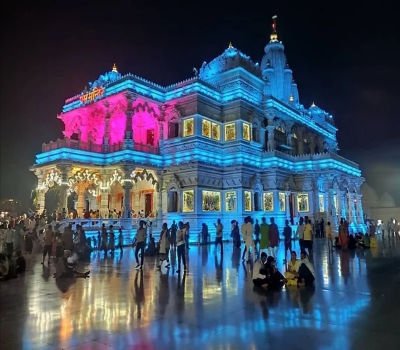
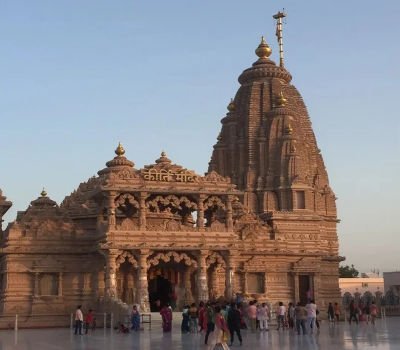
Ayodhya offers different experiences depending on the purpose of your visit, from family pilgrimages and spiritual journeys to group tours, weekend trips, and customised holidays. The city allows you to explore its temples, rituals, and cultural traditions at a pace that suits your travel plans, with Ayodhya tour packages offering options for different types of visits and travel preferences. These experiences help you discover the spiritual atmosphere, cultural heritage, and traditional charm of Ayodhya comfortably.
Family Ayodhya Pilgrimage Tours
Planned for families who want to explore Ayodhya’s spiritual heritage together, these packages focus on creating a comfortable pilgrimage experience suitable for different age groups. The itinerary includes important religious attractions such as Ram Janmabhoomi, Hanuman Garhi, Kanak Bhawan, and Saryu Ghats, along with peaceful temple visits and spiritual experiences. With a balanced schedule, families can enjoy darshan, evening aarti, and moments of devotion while discovering the religious significance of Ayodhya.
Spiritual Ayodhya Retreats
Created for those seeking a peaceful connection with Ayodhya’s religious traditions, these packages focus on temple visits, spiritual activities, and time spent at sacred places. The itinerary includes important sites, morning and evening aarti experiences, Saryu River visits, and opportunities to explore the devotional atmosphere of the city. These packages are suitable for those who prefer a calm journey focused on faith, reflection, and discovering Ayodhya’s spiritual heritage.
Customized Ayodhya Holidays
Offering flexibility according to individual travel preferences, these packages allow you to create an itinerary based on your preferred duration, sightseeing choices, and pilgrimage requirements. The journey can be planned around specific temples, spiritual experiences, heritage attractions, and nearby places according to your interests. These packages are suitable for those who want a personalised Ayodhya journey with a schedule designed around their own pace and travel expectations.
Weekend Ayodhya Trips
Ideal for short-duration holidays, these packages are planned for those who want to experience the major spiritual attractions of Ayodhya within limited time. The itinerary focuses on important places such as Ram Janmabhoomi, Hanuman Garhi, Kanak Bhawan, and Saryu Ghats through a practical sightseeing schedule. These packages allow you to explore the religious significance of Ayodhya through a compact journey without missing the key highlights of the city.
Premium Ayodhya Religious Tours
Designed for those who prefer a more comfortable pilgrimage experience, these packages focus on refined planning, smoother travel arrangements, and a relaxed sightseeing schedule. The itinerary includes important temples, spiritual attractions, and religious experiences while allowing enough time for darshan and exploration. These packages are suitable for those who want to discover Ayodhya’s sacred places with greater comfort and a well-organised travel plan.
Group Ayodhya Holiday Packages
Planned for families, friends, and larger groups travelling together, these packages focus on creating a coordinated journey covering Ayodhya’s major spiritual and cultural attractions. The itinerary includes temple visits, ghats, and important places of interest while maintaining a structured schedule for group exploration. These packages make it easier for multiple members to experience Ayodhya’s religious heritage together through a comfortable and organised holiday plan.
Top Places to Include in Your Ayodhya Visit
Ayodhya’s spiritual identity is shaped by its ancient temples, sacred riverfronts, and places connected with the Ramayana tradition. Exploring the city is not only about visiting individual attractions but also about experiencing the rituals, architecture, and local surroundings that continue to define everyday life here. From the grand presence of Ram Janmabhoomi Mandir to peaceful moments along the Saryu River, each place reflects a different aspect of Ayodhya’s devotion, heritage, and cultural significance.
Ram Janmabhoomi Mandir
Ram Janmabhoomi Mandir is the most important spiritual centre of Ayodhya and remains a major part of pilgrimage journeys to the city. Devotees visit the temple for darshan and prayers while experiencing its grand architecture and deeply devotional atmosphere. The surrounding area has been developed with organised facilities, making the visit more comfortable while allowing time to understand the religious importance and connection of this site with Lord Ram.
Hanuman Garhi
Hanuman Garhi is one of the most visited temples in Ayodhya and holds a special place among devotees of Lord Hanuman. Located on a raised area, the temple is reached through a series of steps surrounded by local shops and traditional activity. The temple’s unique setting, devotional environment, and connection with local beliefs make it an important stop during an Ayodhya visit, especially for those exploring the city’s famous temple circuit.
Kanak Bhawan
Kanak Bhawan is known for its beautiful interiors, detailed decoration, and peaceful devotional atmosphere. Dedicated to Lord Ram and Goddess Sita, the temple attracts visitors who appreciate both its spiritual importance and artistic beauty. Located close to other major temples, it fits naturally into Ayodhya’s sightseeing route. The surrounding streets also offer a glimpse of the traditional side of the city with local shops and everyday activities.
Saryu River
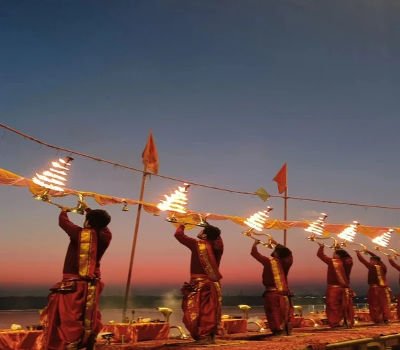
The Saryu River is deeply connected with Ayodhya’s religious traditions and daily rituals. The ghats along the river become active during morning prayers, bathing rituals, and evening aarti ceremonies. Spending time near the river allows you to witness the spiritual rhythm of the city, where devotees, local residents, and visitors gather together. The peaceful flow of the river and traditional activities create an important part of the Ayodhya experience.
Ram Ki Paidi
Ram Ki Paidi is a well-known riverside area along the Saryu River, recognised for its series of ghats and evening atmosphere. The beautifully arranged steps provide space for prayers, walks, and witnessing religious activities near the water. During evening hours, the area becomes especially lively with aarti, lights, and gatherings, offering a closer view of Ayodhya’s riverfront traditions and devotional culture.
Nageshwarnath Temple
Nageshwarnath Temple is an ancient Shiva temple that represents another important side of Ayodhya’s religious heritage. The temple is associated with local traditions and historical beliefs, making it a meaningful addition to a city tour focused on spiritual exploration. Its traditional structure and peaceful surroundings provide a different experience from the larger temple areas, allowing visitors to connect with Ayodhya’s long-standing religious practices.
Dashrath Mahal
Dashrath Mahal reflects Ayodhya’s connection with the royal stories of the Ramayana and is associated with King Dashrath, the father of Lord Ram. The site features decorated spaces, shrines, and devotional areas that attract those interested in mythology and cultural history. Visiting this place offers a closer look at the stories and traditions that have been preserved through generations in Ayodhya.
Guptar Ghat
Guptar Ghat offers a quieter experience along the Saryu River and is known for its peaceful surroundings and religious significance. Away from some of the busier temple areas, the ghat provides a calm setting for prayers, reflection, and spending time near the river. Its open atmosphere and connection with local beliefs make it an important place for those looking to explore the quieter side of Ayodhya.
Tulsi Smarak Bhawan
Tulsi Smarak Bhawan preserves the literary and cultural connection of Ayodhya with Goswami Tulsidas, the author of Ramcharitmanas. The memorial includes spaces dedicated to religious literature, writings, and cultural learning. It offers a different experience from temple visits by highlighting the contribution of Tulsidas to devotional traditions and the broader cultural heritage associated with Ayodhya.
Mani Parvat
Mani Parvat is a small hill associated with ancient beliefs and traditions connected with Ayodhya’s past. The location offers views of nearby temple areas and the surrounding city landscape, providing a different perspective compared to the main pilgrimage sites. Its quieter environment makes it suitable for those interested in exploring historical references, local stories, and lesser-known places connected with Ayodhya’s heritage.
Ways to Experience Ayodhya
Ayodhya can be experienced in different ways depending on the purpose, duration, and pace of your journey. The city offers more than temple visits, with opportunities to witness traditional rituals, explore old neighbourhoods, spend time along the Saryu River, and understand the cultural practices that continue in everyday life. From spiritual journeys and family visits to heritage walks and festival experiences, each way of exploring Ayodhya reveals a different connection with its temples, traditions, and local surroundings. Ayodhya tour package options can include these experiences with suitable sightseeing, comfortable stays, and arrangements based on your travel preferences.
Spiritual Experiences
Spiritual experiences in Ayodhya revolve around temple darshan, prayers, and participation in traditional rituals. Visiting Ram Janmabhoomi, Hanuman Garhi, Kanak Bhawan, and the Saryu River ghats allows you to witness the devotional atmosphere that defines the city. Morning prayers, evening aarti, and quiet moments near sacred places create a deeper understanding of Ayodhya’s religious traditions and the practices followed here for generations.
Temple Routes
Temple routes in Ayodhya connect important shrines through a meaningful sightseeing experience. Places like Ram Janmabhoomi, Hanuman Garhi, Kanak Bhawan, and Nageshwarnath Temple are often explored together due to their spiritual importance and location. Moving through temple lanes, nearby markets, and old city areas gives a closer view of how religious spaces and local life continue together in Ayodhya.
Old City Walks
Old city walks offer a closer look at Ayodhya’s traditional streets, local shops, and neighbourhoods around temple areas. Walking through these lanes allows you to observe small markets, food stalls, religious stores, and daily activities taking place alongside pilgrimage routes. This experience helps you understand the local character of Ayodhya beyond its major temples and popular sites.
Local Culture Visits
Local culture visits in Ayodhya introduce you to the everyday side of the city through its markets, food, traditions, and community spaces. Exploring local streets and shops around pilgrimage areas gives insight into regional flavours, religious practices, and traditional products. These experiences create a connection with the lifestyle and customs that shape Ayodhya’s cultural identity.
Festival Time Visits
Festival visits in Ayodhya offer a chance to experience the city during important religious celebrations such as Ram Navami and Diwali. During these occasions, temples, ghats, and public areas become vibrant with decorations, prayers, and community gatherings. The atmosphere reflects the strong connection between Ayodhya’s traditions, devotional practices, and celebrations that bring people together.
Family Visits
Family visits in Ayodhya focus on comfortable sightseeing, temple darshan, and shared spiritual moments. Places like Ram Janmabhoomi, Hanuman Garhi, Kanak Bhawan, and Saryu Ghats can be explored at a relaxed pace, allowing different age groups to enjoy the journey together. The experience combines devotion, cultural learning, and quality time while exploring the important parts of the city.
Senior Citizen Friendly Journeys
Senior citizen-friendly journeys in Ayodhya are planned with comfortable routes, suitable timings, and enough time for rest between visits. Important temples and riverfront areas can be included while keeping movement simple and convenient. A balanced itinerary allows elderly visitors to enjoy darshan, peaceful surroundings, and Ayodhya’s spiritual atmosphere without unnecessary travel effort.
Starting Your Ayodhya Journey from Major Indian Cities
Reaching Ayodhya becomes easier with multiple travel options available from different parts of India. The city has good connectivity through railway services, flights, and road routes, allowing you to choose a journey based on your location and convenience. Whether you are travelling from a metro city or a nearby destination, Ayodhya tour packages can include suitable travel arrangements that help combine transportation, sightseeing, and accommodation while visiting important places like Shri Ram Janmabhoomi, Hanuman Garhi, Kanak Bhawan, and the Saryu River ghats.
- Delhi – Delhi offers excellent connectivity to Ayodhya through regular train services, flight options, and well-connected road routes. Travellers can choose railway travel for a comfortable journey or opt for air travel when looking for a faster and more convenient option.
- Mumbai – Mumbai is connected to Ayodhya through railway services and flight routes, including connecting flights. Travellers can choose a suitable travel option based on their available time, budget, and preferred level of comfort.
- Bangalore – Travellers from Bangalore can reach Ayodhya through flight connections and railway services. Flights are suitable for those who prefer a shorter travel duration, while train journeys are a convenient option for travellers planning a longer route.
- Chennai – Chennai has connectivity to Ayodhya through railway services and flight routes via major cities. Travellers can select the most suitable option according to their travel schedule, journey duration, and personal convenience.
- Hyderabad – Hyderabad offers railway and air connectivity to Ayodhya, providing multiple travel options for visitors. The preferred mode of transport can be selected based on travel time, budget, and comfort preferences.
- Kolkata – Kolkata is connected to Ayodhya through railway services and flight options, making it convenient for travellers from eastern India to plan their journey. Both transport modes provide flexible options according to different travel requirements.
- Ahmedabad – Ahmedabad provides connectivity to Ayodhya through long-distance train services and flight routes. Travellers can choose the best option based on their preferred journey duration, convenience, and travel plans.
- Pune – Travellers from Pune can reach Ayodhya through railway services and flight connections. The choice of transport depends on available time, budget, and the preferred travel experience.
- Jaipur – Jaipur has good railway and air connectivity with Ayodhya, making it convenient for travellers from Rajasthan to plan a spiritual journey. Visitors can choose a suitable travel option based on their schedule and preferred mode of transportation.
Ideal Season to Visit Ayodhya
Ayodhya can be visited throughout the year, but each season offers a different travel experience based on weather conditions, sightseeing comfort, and the type of activities you want to include. The temperature, rainfall, and seasonal atmosphere influence temple visits, time spent at the Saryu River ghats, walking through old city lanes, and exploring the cultural side of the destination. From pleasant winter days ideal for detailed sightseeing to warmer summers and refreshing monsoon surroundings, every season creates a different way to experience Ayodhya. Choosing the right time also helps in planning an Ayodhya tour package according to travel preferences, comfort level, and the pace of exploration.
Winter Season (October to February)
Winter is considered the most comfortable season to explore Ayodhya, with pleasant weather and easier movement across the city. The cool mornings and comfortable afternoons make it suitable for temple visits, riverfront experiences, and exploring heritage areas without feeling tired. Places like Ram Janmabhoomi, Hanuman Garhi, Kanak Bhawan, and Saryu River ghats can be explored comfortably during this period, while morning prayers and evening aarti become more enjoyable in the peaceful winter atmosphere.
- Temperature Range – Temperatures generally range between 8°C to 25°C, with cool mornings, pleasant afternoons, and colder evenings during peak winter months, creating comfortable conditions for sightseeing and outdoor exploration.
- Best Experiences – Explore Ram Janmabhoomi, Hanuman Garhi, Kanak Bhawan, Saryu River ghats, and heritage areas while enjoying temple visits, evening aarti, peaceful riverfront moments, and cultural experiences.
- Spiritual Activities – Attend morning prayers, participate in temple rituals, witness evening aarti, and spend time at sacred places while experiencing the devotional environment of Ayodhya during favourable weather.
- Local Exploration – Walk through traditional lanes, explore local markets, taste regional food, and discover the cultural surroundings of Ayodhya with comfortable temperatures throughout the day.
- Sightseeing Comfort – Enjoy longer sightseeing hours with smooth movement between temples, ghats, and heritage sites due to pleasant weather and better outdoor conditions.
- Outdoor Leisure Moments – Spend relaxed time near the Saryu River, explore peaceful surroundings, and enjoy the calm winter atmosphere while discovering different parts of Ayodhya at an easy pace.
Summer Season (March to June)
Summer in Ayodhya brings warmer temperatures, especially during afternoon hours when outdoor sightseeing requires better planning. Early mornings and evenings are more suitable for temple visits, riverfront walks, and exploring local areas. Although daytime heat can make longer outdoor movement difficult, the season still allows meaningful visits with a well-timed itinerary covering important temples, cultural sites, and spiritual experiences during comfortable hours.
- Temperature Range – Temperatures generally range between 25°C to 40°C, with warm afternoons and comparatively comfortable mornings and evenings that are better suited for outdoor activities.
- Best Experiences – Visit Ram Janmabhoomi, Hanuman Garhi, Kanak Bhawan, and Saryu River ghats during cooler hours while enjoying darshan, aarti, and peaceful sightseeing experiences.
- Temple Visits – Plan early morning and evening temple visits to experience prayers, rituals, and spiritual activities while avoiding strong afternoon heat.
- Riverfront Experiences – Spend time near the Saryu River during sunrise or evening hours when the surroundings become more pleasant for walks and quiet moments.
- Local Markets – Explore local markets, shops, and food areas during suitable timings to experience Ayodhya’s traditional lifestyle and regional flavours.
- Travel Comfort – Follow a relaxed sightseeing schedule with proper breaks, hydration, and planned timings to enjoy the city comfortably during warmer months.
Monsoon Season (July to September)
Monsoon season brings rainfall and a refreshing change to Ayodhya’s surroundings, creating a cooler atmosphere across temple areas, riverfront locations, and open spaces. The city experiences occasional showers, which may affect outdoor movement but also add freshness to the surroundings. Temple visits, spiritual activities, and cultural exploration continue during this period, making it suitable for those who prefer a quieter experience with flexible sightseeing plans.
- Temperature Range – Temperatures generally range between 24°C to 32°C, with humid conditions, occasional rainfall, and cooler moments after showers.
- Best Experiences – Explore temples, Saryu River ghats, heritage sites, and local areas while enjoying fresh surroundings, peaceful views, and a calmer travel atmosphere.
- Spiritual Activities – Attend temple rituals, morning prayers, and evening aarti while experiencing Ayodhya’s devotional environment during the monsoon season.
- Nature Surroundings – Enjoy greener landscapes, refreshed surroundings, and a pleasant change around riverfront areas and open spaces after rainfall.
- Sightseeing Planning – Keep flexible schedules as rain may affect outdoor movement, walking routes, and travel between locations during heavy showers.
- Relaxed Exploration – Spend time exploring temples, local streets, and cultural areas at a slower pace while enjoying the peaceful monsoon charm of Ayodhya.
Explore Ayodhya Through Seasonal Tour Plans
Ayodhya can be explored in different ways throughout the year, and each season offers a unique travel experience based on weather, festivals, and sightseeing preferences. Seasonal Ayodhya Tour Plans are designed to match the kind of journey you want, whether you prefer comfortable temple visits, peaceful exploration, festive celebrations, or a relaxed holiday pace. From spiritual experiences at Ram Janmabhoomi and Saryu River ghats to local markets, cultural places, and traditional surroundings, choosing the right season helps you enjoy Ayodhya with suitable arrangements and a well-planned itinerary.
Winter Ayodhya Tour
Winter months are suitable for planning complete Ayodhya holidays with itineraries focused on temple visits, spiritual experiences, and cultural exploration. These packages include important attractions such as Ram Janmabhoomi, Hanuman Garhi, Kanak Bhawan, Saryu River ghats, and other religious places while allowing enough time for darshan, aarti, and local sightseeing. The comfortable conditions during this season make these packages ideal for pilgrimage journeys, family visits, and detailed exploration of Ayodhya’s spiritual heritage through a well-planned holiday itinerary.
Summer Ayodhya Holiday
Summer months offer flexible holiday options for exploring Ayodhya with planned sightseeing schedules and meaningful spiritual experiences. These packages focus on temple visits, evening aarti, Saryu River experiences, cultural attractions, and local exploration while maintaining a comfortable pace throughout the journey. They are suitable for those planning summer vacations, short pilgrimage breaks, and relaxed holidays where you can discover Ayodhya’s religious significance through a properly organised itinerary.
Monsoon Ayodhya Package
Monsoon months provide an opportunity to plan peaceful Ayodhya holidays with itineraries focused on temples, spiritual attractions, cultural places, and local experiences. These packages include visits to important sites such as Ram Janmabhoomi, Hanuman Garhi, Kanak Bhawan, Saryu River ghats, and other attractions while offering a relaxed sightseeing schedule. The quieter travel period makes these packages suitable for those looking for a calm pilgrimage journey with flexible planning and meaningful experiences during the season.
Accommodation Options in Ayodhya
Choosing the right stay plays an important role in making your Ayodhya visit comfortable and convenient. The city offers accommodation options near major temples, riverfront areas, and local markets, making it easier to plan sightseeing according to your preferred travel style. From budget stays for pilgrims to comfortable hotels and premium properties, different options are available based on location, facilities, and travel requirements. Staying close to key areas like Ram Janmabhoomi, Hanuman Garhi, and Saryu River ghats helps save travel time and allows easier access to Ayodhya’s spiritual and cultural experiences.
Hotels Near Ram Janmabhoomi Area
Staying near the Ram Janmabhoomi area provides easy access to one of Ayodhya’s most important spiritual sites. Hotels in this region are suitable for visitors who want convenient temple access, shorter travel time, and the flexibility to attend darshan and aarti according to their schedule. This area also offers access to nearby temples, local shops, and food options, making it a practical choice for a pilgrimage-focused stay.
Comfortable Hotels and Family Stays
Comfortable hotels and family-friendly stays in Ayodhya offer better facilities, spacious rooms, and convenient services for a relaxed holiday experience. These accommodations are suitable for families and groups who prefer additional comfort after temple visits and sightseeing. Facilities such as clean rooms, dining options, and easy transportation access make these stays convenient for exploring Ayodhya at a comfortable pace.
Premium Stay Options in Ayodhya
Premium accommodation options in Ayodhya focus on enhanced comfort, better facilities, and a more relaxed stay experience. These properties offer well-maintained rooms, quality services, and convenient arrangements for visitors who prefer a comfortable travel experience. Premium stays are suitable for those looking for additional convenience while exploring temples, cultural sites, and riverfront areas.
Stay Near Saryu River Ghats
Accommodation near the Saryu River ghats offers a peaceful environment with easy access to the riverfront and evening aarti experiences. Staying in this area allows you to enjoy morning walks, riverside views, and the spiritual atmosphere of Ayodhya. It is a suitable choice for those who want to spend more time experiencing the city’s traditional riverfront culture.
How to Reach Ayodhya
Ayodhya is well connected with major cities across India through air, rail, and road networks, making it convenient to plan a spiritual journey, family visit, or cultural exploration. The best travel option depends on your starting location, available time, and preferred comfort level. With multiple connectivity options, reaching Ayodhya has become easier for visitors coming from different parts of the country. Travel arrangements in an Ayodhya tour package can also be planned according to the preferred mode of transport, sightseeing schedule, and overall journey requirements.
By Air
Maharishi Valmiki International Airport Ayodhya Dham is the nearest airport serving the city and provides connectivity with selected major Indian cities. After reaching the airport, taxis and local transport options are available to reach temple areas, hotels, and other parts of Ayodhya. Travellers can also consider nearby airports like Lucknow, Varanasi, Prayagraj, and Gorakhpur when looking for additional flight options.
By Train
Ayodhya has railway connectivity through Ayodhya Dham Railway Station and Ayodhya Cantt Railway Station, connecting the city with several major destinations across India. Trains from cities such as Delhi, Mumbai, Kolkata, Lucknow, and Varanasi make railway travel a convenient option for visitors. Train journeys are especially preferred by those looking for comfortable and budget-friendly travel options.
By Road
Ayodhya can be reached by road from nearby cities and major destinations through well-connected highways and regular transport services. Bus services, taxis, and private vehicles provide access from places like Lucknow, Varanasi, Prayagraj, Gorakhpur, and other regions of Uttar Pradesh. Road travel also allows flexibility for combining Ayodhya with nearby spiritual and cultural destinations.
Local Transport in Ayodhya
Local transportation in Ayodhya includes auto-rickshaws, e-rickshaws, taxis, and private vehicles for travelling between temples, ghats, markets, and other attractions. Staying near important areas such as Ram Janmabhoomi, Hanuman Garhi, or Saryu River ghats can make local sightseeing more convenient and reduce travel time within the city.
What to Eat During Your Ayodhya Visit
Food in Ayodhya is closely connected with the city’s spiritual atmosphere, temple traditions, and daily pilgrimage routine. The local food experience goes beyond regular dining, as many dishes are prepared following traditional vegetarian and sattvik practices. From breakfast after temple visits and sweets offered as prasad to simple meals near religious areas and evening snacks around the ghats, Ayodhya’s cuisine reflects the cultural rhythm of the city. Exploring local food adds another layer to the journey by connecting you with regional flavours, traditional cooking methods, and everyday life around the temple streets.
Kachori-Sabzi for Breakfast Near Hanuman Garhi
Kachori-sabzi is one of the popular breakfast choices in Ayodhya, especially around the Hanuman Garhi area. Freshly prepared kachoris served with spicy potato curry and chutneys are commonly enjoyed during the morning hours after darshan. The nearby lanes become active with local food stalls serving hot breakfast items, making it a convenient stop before exploring Ram Janmabhoomi, Kanak Bhawan, and other temples.
- Where to Try – Local breakfast stalls and eateries around Hanuman Garhi market area.
- What to Expect – Fresh kachoris, flavourful aloo sabzi, chutneys, and a traditional morning food experience.
Khoya Peda from Local Sweet Shops
Khoya peda is one of the well-known sweets associated with Ayodhya’s pilgrimage culture. Prepared using reduced milk solids, sugar, and cardamom flavouring, this sweet is commonly purchased as prasad or taken home as a traditional souvenir. Sweet shops around temple areas display fresh batches throughout the day, with demand increasing during festivals and special occasions.
- Where to Buy – Traditional sweet shops around Hanuman Garhi and nearby market streets.
- Popular Choice – Prasad boxes, festival sweets, and takeaway packs.
Sattvik Thali Near Temple Areas
Sattvik thalis offer a simple and traditional meal experience during an Ayodhya visit. Meals served at bhojanalayas, ashrams, and local dining spaces usually include dal, seasonal vegetables, roti, rice, curd, and pickles prepared according to vegetarian cooking traditions. These meals reflect the connection between food and spirituality that remains an important part of the city’s culture.
- Where to Find – Bhojanalayas, dharamshalas, and local dining areas near temple zones.
- What’s Included – Dal, sabzi, roti, rice, curd, and traditional accompaniments.
Kulhad Rabri and Malai Lassi Near Saryu Ghats
The areas around Ram Ki Paidi and nearby ghats offer opportunities to enjoy traditional dairy-based sweets and drinks. Rabri prepared through slow reduction of milk and served in kulhads is a popular choice, while thick malai lassi provides a refreshing option during warmer hours. These treats are often enjoyed after exploring the riverfront or before attending the evening Saryu Aarti.
- Where to Try – Sweet shops and dairy counters near Ram Ki Paidi and Naya Ghat.
- Best Time – Afternoon and early evening hours.
Evening Chaat and Snacks Around Local Markets
Evening hours bring a different food atmosphere to Ayodhya’s market areas, where local vendors prepare fresh snacks for visitors and residents. Aloo tikki chaat, samosas, pakoras, and other street snacks are popular choices after temple visits and riverfront walks. Exploring these food stalls provides a glimpse into the everyday flavours and lively market culture of the city.
- Where to Try – Shringar Hat and nearby market streets.
- Popular Choices – Aloo tikki chaat, samosas, pakoras, and seasonal snacks.
Festival Sweets and Temple Prasad During Celebrations
Festivals such as Ram Navami bring special food traditions to Ayodhya, with temples, sweet shops, and local markets preparing festive offerings. During these occasions, you can find varieties of peda, laddoos, halwa preparations, and special prasad connected with religious celebrations. These food traditions reflect the close relationship between festivals, devotion, and community participation in Ayodhya.
- Best Time to Experience – Ram Navami and major festival periods.
- Look For – Temple prasad, peda, laddoos, halwa preparations, and festive sweet collections.
From Temple Souvenirs to Local Crafts: Shopping in Ayodhya
Shopping in Ayodhya offers more than collecting souvenirs; it provides a closer look at the city’s religious traditions, local craftsmanship, and everyday market culture. The streets around Hanuman Garhi, Shringar Hat, Chowk Bazaar, Kanak Bhawan, Ram Ki Paidi, and Naya Ghat carry a variety of items connected with worship, festivals, local art, and traditional food. From prayer essentials and handcrafted décor to sweets and keepsakes, each market area reflects a different side of Ayodhya’s heritage and gives you a chance to take home something connected with the city’s spiritual identity.
Religious Souvenirs Around Hanuman Garhi
The markets around Hanuman Garhi are among the most popular places to shop for devotional items in Ayodhya. The lanes leading towards the temple are filled with small shops selling products used for worship, home temples, and religious gifting. Many items available here reflect the connection between Ayodhya’s pilgrimage traditions and everyday devotional practices.
Popular Items Include:
- Ram Darbar Idols – Brass, marble, and metal idols depicting Lord Ram, Sita, Lakshman, and Hanuman for home temples.
- Tulsi Malas – Traditional prayer beads used during meditation, chanting, and religious practices.
- Brass Bells – Decorative and worship-related bells commonly placed in home temples.
- Hanuman Chalisa Booklets – Small prayer books available in different languages and editions.
Traditional Shopping at Shringar Hat
Shringar Hat is one of the well-known market areas in old Ayodhya, where narrow lanes are lined with shops selling religious artwork, decorative products, and festival-related items. The market reflects the traditional shopping culture around pilgrimage areas, with products connected to Ramayana stories, temple traditions, and local celebrations.
Popular Items Include:
- Religious Artwork – Framed paintings and decorative pieces showing scenes from Ramayana and stories of Lord Ram.
- Traditional Wall Hangings – Decorative pieces featuring religious designs and handcrafted patterns.
- Festival Decorations – Torans, hanging items, and festive décor used during celebrations.
- Small Souvenirs – Keychains, miniature religious symbols, and travel keepsakes.
Worship Essentials Near Kanak Bhawan
The streets around Kanak Bhawan have shops that cater to devotees looking for items required during prayers and rituals. These stores offer ready-made worship materials and traditional essentials used in temples and home पूजा spaces. Shopping here gives a glimpse into the daily religious practices followed in Ayodhya.
Popular Items Include:
- Puja Kits – Packaged sets containing incense sticks, camphor, cotton wicks, and other worship essentials.
- Mauli Threads – Traditional sacred threads used during religious ceremonies.
- Chandan and Roli – Sandalwood paste and vermilion used for tilak and rituals.
- Cotton Battis – Handmade wicks used for diyas and ceremonial lamps.
Wooden Handicrafts from Chowk Bazaar
Chowk Bazaar offers a different shopping experience with handcrafted items, decorative products, and locally inspired gifts. Away from the main temple routes, these markets showcase artistic products that combine traditional designs with decorative craftsmanship. These items are suitable for those looking for unique keepsakes beyond regular religious purchases.
Popular Items Include:
- Ram Mandir Models – Decorative replicas inspired by Ayodhya’s famous temple architecture.
- Wooden Carvings – Handcrafted plaques and decorative pieces featuring traditional motifs.
- Brass Decorative Items – Diyas, lamps, and other handcrafted décor products.
- Terracotta Products – Clay-based decorative items reflecting traditional craft techniques.
Evening Shopping Around Ram Ki Paidi and Naya Ghat
The areas around Ram Ki Paidi and Naya Ghat become more active during evening hours, especially after the Saryu Aarti. Small stalls and shops sell devotional products connected with river rituals, prayers, and local traditions. Shopping here, along with a riverfront visit, creates a memorable experience of Ayodhya’s evening atmosphere.
Popular Items Include:
- Devotional Flags – Religious flags and symbols used during celebrations and worship.
- Saryu Jal Containers – Brass and copper vessels used for carrying holy river water.
- Rudraksha Malas – Prayer beads associated with meditation and spiritual practices.
- Aarti Items – Incense packs and ritual products used during prayers.
Traditional Sweets to Take Home
Traditional sweets are an important part of shopping in Ayodhya, especially for those looking to carry local flavours after their visit. Sweet shops around temple areas prepare varieties of milk-based sweets, laddoos, and prasad items that are commonly purchased during religious visits and festivals. These sweets are also convenient to carry during train, road, or flight journeys.
Popular Sweets Include:
- Khoya Peda – A milk-based sweet flavoured with cardamom and commonly purchased as prasad.
- Besan Laddoo – Traditional ghee-based sweets suitable for gifting and travel.
- Mawa-Based Sweets – Dairy delicacies prepared using slow-cooked milk solids.
- Festival Sweet Boxes – Assorted collections prepared during celebrations and special occasions.
Essential Travel Tips for Visiting Ayodhya
A well-planned Ayodhya visit helps you explore temples, riverfront areas, local markets, and cultural experiences more comfortably. The city remains active throughout the year, especially during festivals like Ram Navami and Deepotsav when crowds increase around major religious sites. Keeping weather conditions, temple guidelines, local customs, and sightseeing timings in mind allows you to experience Ayodhya in a smoother way. Simple preparations like starting early, carrying essentials, and respecting traditions can make your journey more convenient while exploring places such as Ram Janmabhoomi, Hanuman Garhi, Kanak Bhawan, and the Saryu River ghats.
- Start Your Day Early – Beginning your sightseeing in the morning helps you avoid heavier crowds at major temples and provides more comfortable conditions for darshan and exploring nearby areas.
- Dress Respectfully at Religious Sites – Wear comfortable and modest clothing while visiting temples and sacred places. Following local customs helps maintain the peaceful atmosphere of religious areas.
- Carry Comfortable Footwear – Temple visits, ghats, and market walks involve walking across different surfaces, so comfortable footwear makes exploring the city easier throughout the day.
- Keep Cash for Small Purchases – Carry some cash for local markets, small food stalls, and vendors where digital payment options may not always be available.
- Stay Hydrated During Sightseeing – Carry water while exploring Ayodhya, especially during warmer months when walking between temples, markets, and open areas can feel tiring.
- Plan Around Festivals – Events like Ram Navami and Deepotsav bring a different atmosphere to Ayodhya but also increase crowds. Booking accommodation and transport in advance helps during these periods.
- Follow Temple Photography Rules – Photography guidelines can vary at different religious sites. Check the instructions before clicking pictures inside temple premises or restricted areas.
- Visit the Ghats During Sunrise or Sunset – The Saryu River ghats are best experienced during early morning and evening hours when the weather is pleasant and the surroundings are more peaceful.
- Allow Extra Time for Security Checks – Important temple areas may have security procedures, especially during busy days and festivals. Keeping additional time helps avoid delays in your schedule.
- Respect Local Customs and Rituals – Temples, ghats, and surrounding areas remain connected with daily prayers, bhajans, and religious activities. Observing these traditions respectfully creates a more meaningful experience of Ayodhya.
Plan Your Ayodhya Tour with IndiaTripio
Planning an Ayodhya journey becomes easier when your travel arrangements, sightseeing, and stay options are organised according to your requirements. With IndiaTripio, you can plan a well-balanced itinerary covering important temples, spiritual experiences, cultural places, and local exploration while keeping your preferred travel pace and comfort in mind. Whether you are visiting Ayodhya for pilgrimage, family travel, or a personalised holiday, every aspect of the journey can be arranged to make your experience smooth and convenient.
- Personalised Travel Plans – Create an itinerary that includes your preferred places to visit, travel duration, sightseeing interests, and comfort requirements.
- Temple & Spiritual Experiences – Explore important places like Ram Janmabhoomi, Hanuman Garhi, Kanak Bhawan, and Saryu River ghats with a well-planned schedule.
- Comfortable Accommodation Options – Choose suitable stays that offer convenience and easy access to major temples, markets, and sightseeing areas.
- Smooth Travel Arrangements – Get support with transportation, local movement, and sightseeing planning for a hassle-free Ayodhya visit.
- Dedicated Trip Support – Receive assistance throughout your journey with proper coordination and travel guidance from planning to completion.
- Flexible Holiday Options – Select a package that suits your travel style, whether you prefer a short spiritual visit, family journey, or customised Ayodhya experience.
Book your Ayodhya tour package today and start planning your spiritual journey with a travel plan that suits your time, preferences, and comfort. Get a customised itinerary, convenient stay options, smooth travel arrangements, and assistance in organising your temple visits, cultural experiences, and sightseeing schedule. With IndiaTripio, you can reserve your Ayodhya holiday with personalised support and reliable services for a comfortable travel experience. Connect with our team now and secure your package for a well-planned visit to the sacred city of Ayodhya.